
Developers are fighting a fierce war for tenants today. Standard amenities like gyms and pools are no longer enough to win leases. You need a new, tangible edge to stand out in a crowded market.
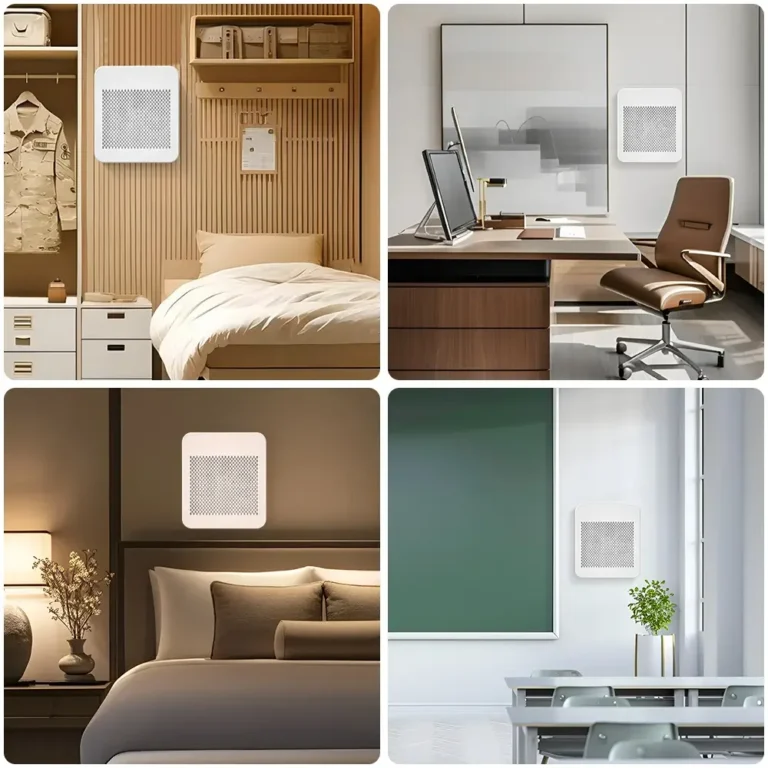
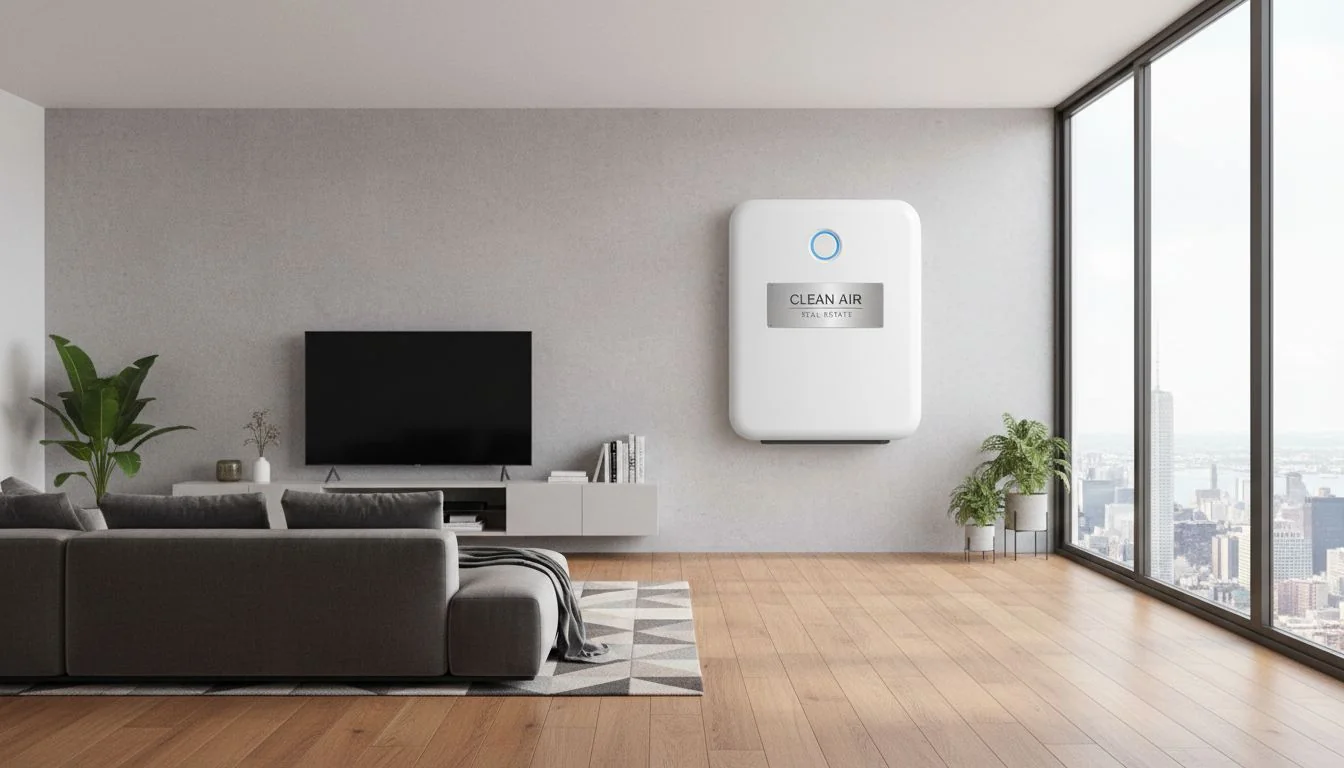
Clean air is the new luxury amenity that drives real estate value. By integrating visible, wall-mounted air purification systems, developers can boost property appeal, achieve WELL Certification1, and offer a tangible health benefit that central HVAC systems cannot match. This strategy turns invisible infrastructure into a marketable asset.
Many developers ignore this shift. They stick to old methods and hidden systems. But the market is changing fast, and health is the priority. Let me explain why you should care about this change.
Indoor air quality is a top priority for modern tenants.真
Post-pandemic surveys indicate that healthy building features, specifically air quality, rank higher than traditional amenities like gyms.
Central HVAC systems are sufficient for removing all indoor pollutants.偽
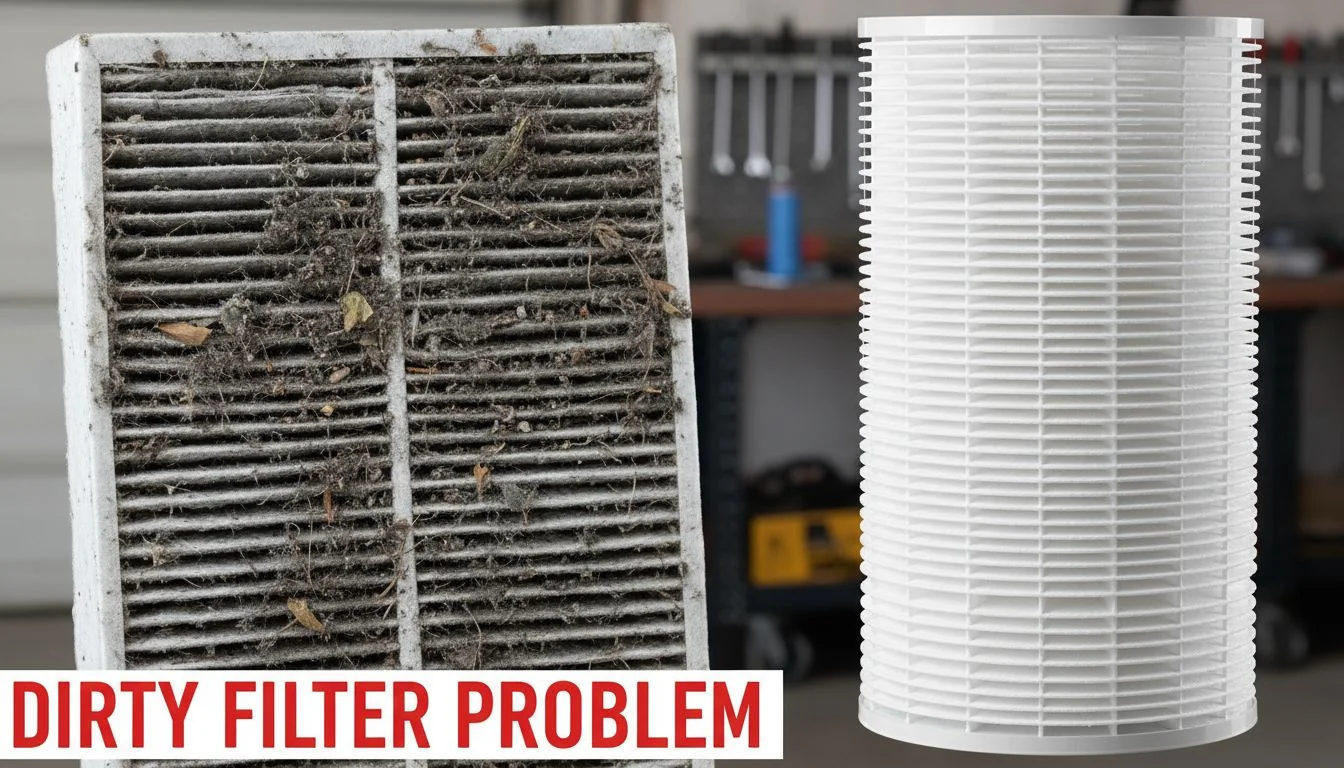
Standard HVAC filters often miss fine particulate matter and pathogens, and the ductwork itself can harbor mold and dust if not maintained perfectly.
Why Are Traditional HVAC Filters No Longer Enough?
We often trust our building's central system too much. We think a big machine on the roof solves everything. But tenants are starting to ask harder questions about the air they breathe.
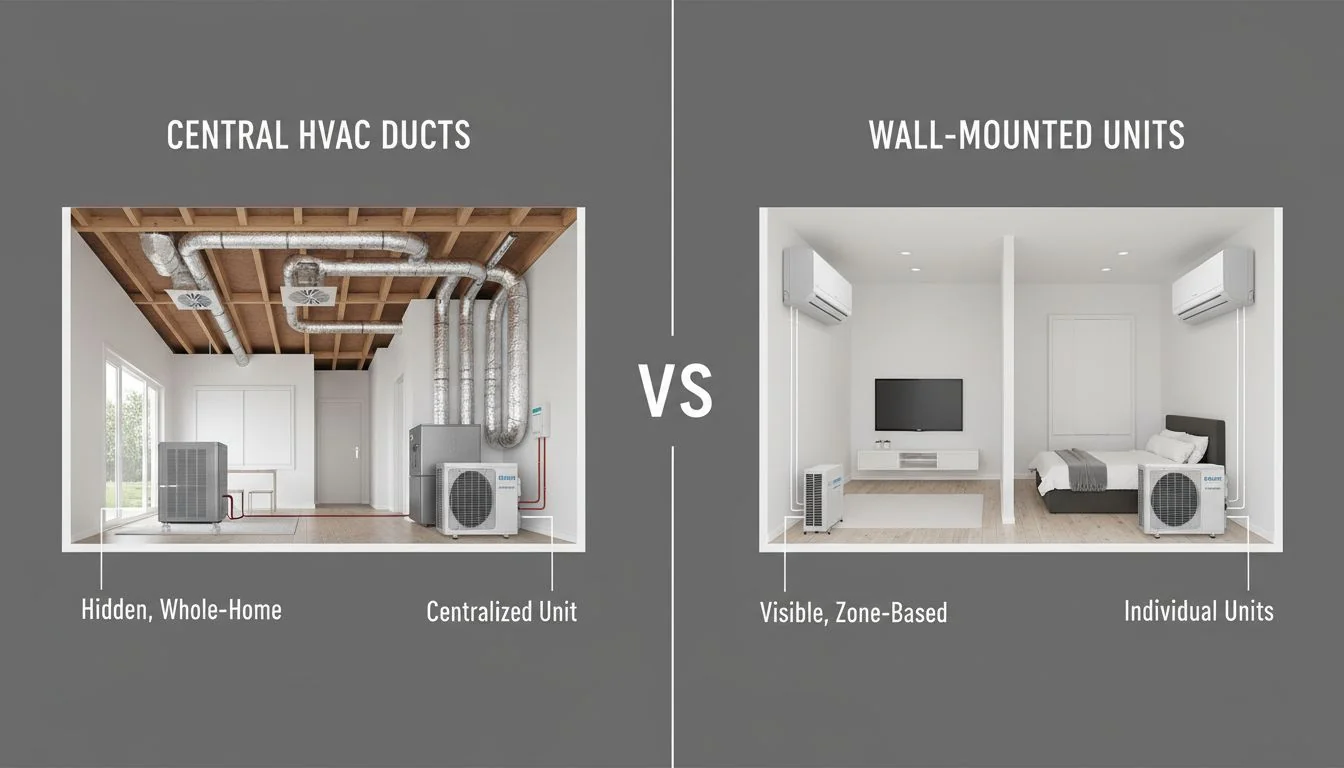
Central HVAC systems are designed for temperature control, not purification. They are often invisible to the tenant, meaning your heavy investment in upgraded filters goes unnoticed, while wall-mounted units provide visible reassurance and superior localized air cleaning.
I have seen many developers spend millions upgrading their central HVAC systems. They install high-grade MERV filters and UV lights inside the ducts. Technically, this is good. But from a marketing perspective, it has a major flaw. It is invisible.
When a potential tenant walks into a unit, they cannot see the UV light in the ductwork. They cannot see the filter on the roof. If you spend $1 million on these upgrades, the tenant does not "feel" the value immediately. This is the "Visible vs. Invisible" argument.
Furthermore, central systems have physical limitations. They rely on moving air through long, often dirty ducts. This can actually spread dust and mold spores between units if the building is older. A central system is reactive. It waits for the air to come to it.
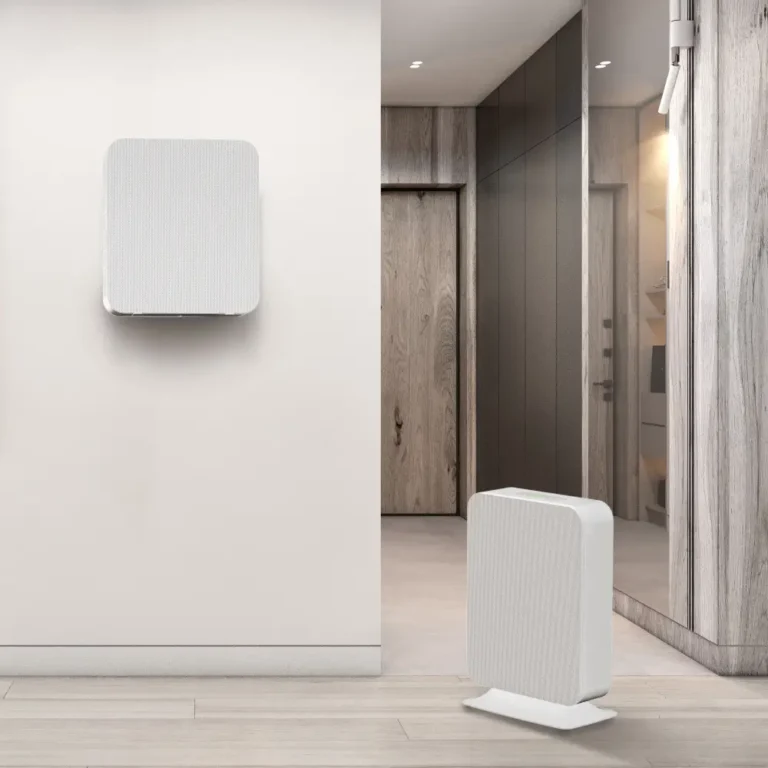
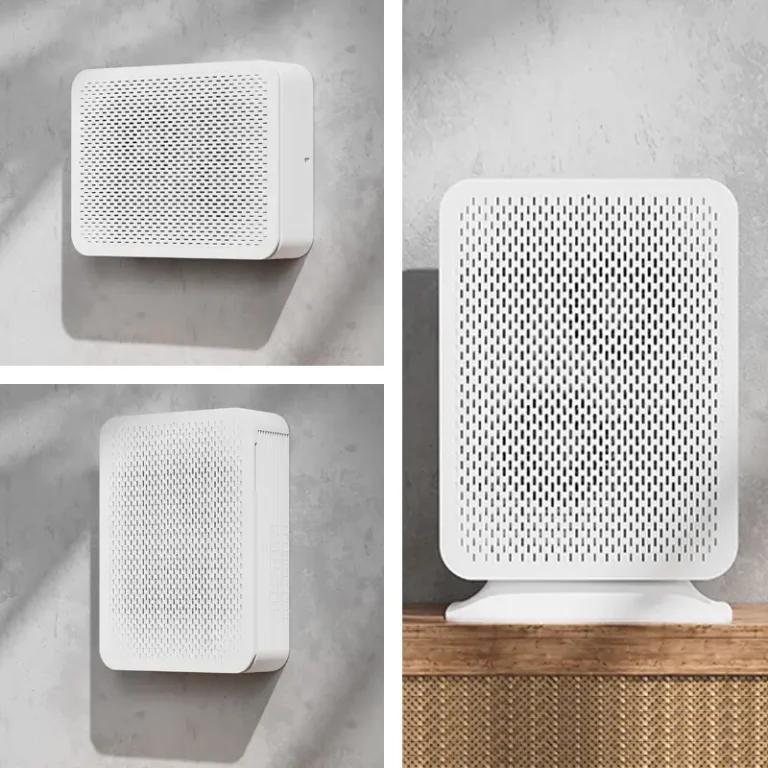
In contrast, a localized solution is active. It cleans the air right where the people are. For a leasing team, this is a "Marketing Asset." They can point to the sleek unit on the wall and say, "This machine protects your health." That is a powerful sales pitch that a hidden HVAC system can never make.
| 特徴 | Central HVAC Upgrade | Wall-Mounted Purifier |
|---|---|---|
| Visibility | Invisible (Hidden in ducts) | Highly Visible (On the wall) |
| Tenant Perception | "Standard Building Feature" | "Premium Health Amenity" |
| インストール | Complex, requires shutdown | Simple, scalable |
| Cross-Contamination | Risk of spreading between units | Zero risk (Unit specific) |
Tenants are willing to pay more for visible health features.真
Studies in real estate economics show that visible wellness certifications and amenities correlate with higher rental premiums.
Upgrading central HVAC is the most cost-effective way to improve air quality.偽
Retrofitting central systems in older buildings is often cost-prohibitive compared to installing decentralized, wall-mounted units.
How Do Wall-Mounted Purifiers Function as Active Infrastructure?
New buildings are easy to design, but they are not the bulk of the market. The real money and the real challenge lie in fixing older buildings. This is where traditional solutions fail.
Wall-mounted purifiers serve as the ideal retrofit solution for older properties. They bypass the need for expensive ductwork renovation, allowing developers to upgrade a building's health standards instantly without major construction or tenant displacement.
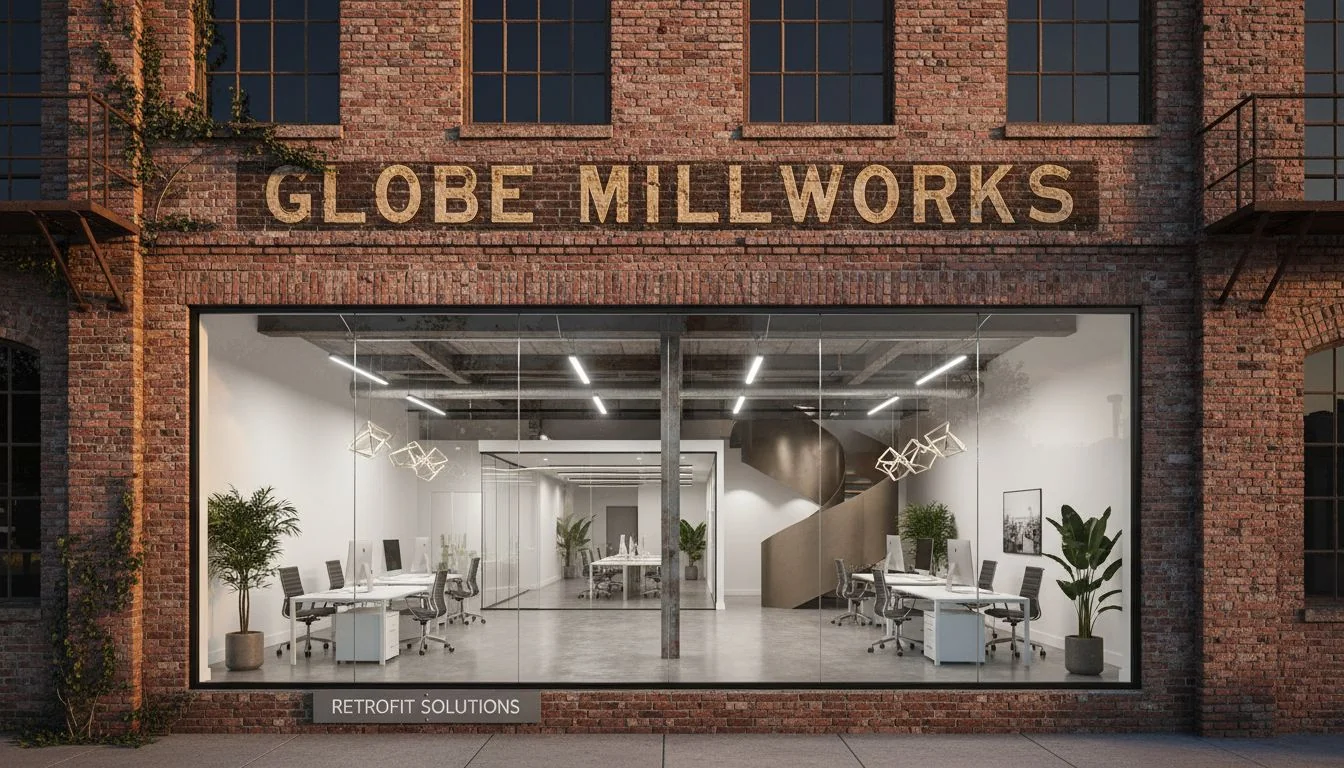
I look at the real estate market like I look at mold manufacturing. You have to design for the constraints you have. In real estate, the biggest constraint is the "Retrofit" market.
There are thousands of older hotels and apartment complexes with terrible ventilation. They have low ceilings and no space for new ducts. To bring these buildings up to modern health standards using central HVAC is a nightmare. You would have to tear down walls and evict tenants. It costs too much.
This is where we pivot to B2B developers. We stop thinking about selling one air purifier to a homeowner. We start selling "Scalability." A developer needs to buy 500 units for a complex. They need "Ease of Installation."
Hisoair’s wall-mounted units fit this perfectly. They act as "Active Infrastructure." You do not need to rip out the old ducts. You simply mount the unit. Instantly, that 1980s apartment has 2024 air quality standards.
This is the only solution that bridges the gap without construction. It allows a developer to take a C-class building and market it as an A-class "Health-First" property. You are not just selling an appliance; you are selling a renovation shortcut.
Key Benefits for Retrofitting:
- No Demolition: Keep the walls intact.
- Speed: Install hundreds of units in a few days.
- Cost: A fraction of the price of re-ducting a building.
Retrofitting old buildings is a larger market than new construction.真
The majority of the building stock that will exist in 2050 has already been built, making retrofitting the primary avenue for energy and health upgrades.
Wall-mounted units require complex wiring.偽
Most modern wall-mounted purifiers are plug-and-play or require very simple electrical connections, minimizing installation labor.
Can Smart Integration Simplify Property Management?
Installing the hardware is only step one. Managing 500 devices can be a headache if you do not have the right system. Property managers need control, not more chores.
Smart building integration2 allows property managers to control air quality centrally. By offering "Air-as-a-Service," developers can monitor performance and schedule filter changes remotely, reducing maintenance labor and ensuring consistent performance.
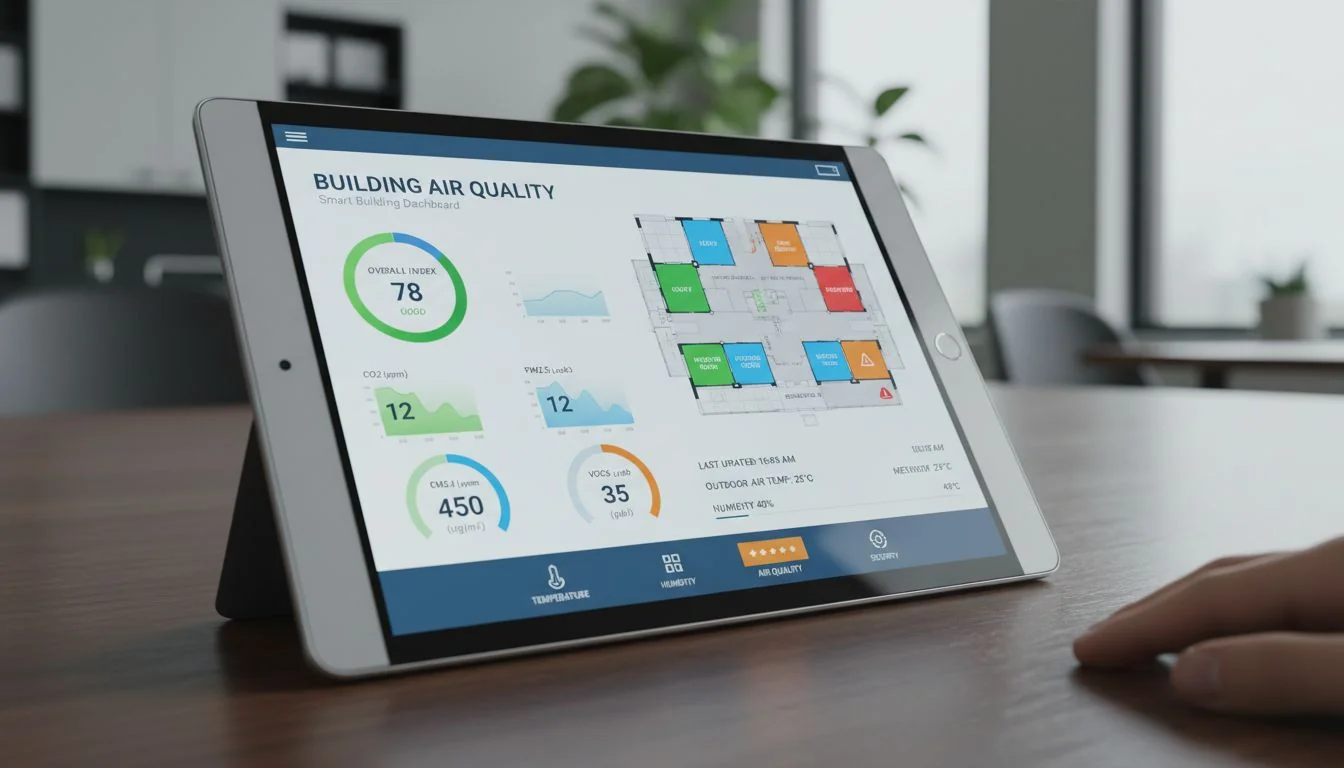
When you sell to a developer, you are really selling to the Property Manager. These people are busy. They do not want to walk into 500 different rooms to check if a red light is blinking on a filter.
This is why we position Hisoair as an "Infrastructure Partner," not just a seller. We offer "Air-as-a-Service3." This capability changes the game.
Imagine a dashboard in the leasing office. The manager can see the air quality in every single room. They know exactly when a filter needs changing. They can automate the ordering of bulk filter replacements.
This appeals to the B2B mindset. It lowers operational costs. It reduces the labor hours needed for maintenance.
Also, it gives the manager control over energy usage. They can turn down units in empty rooms and turn them up before a new tenant arrives. This is "Smart Building" integration. It turns a standalone product into a connected ecosystem.
For a developer, this is peace of mind. They know the asset is being taken care of. They know the "clean air" promise they made to tenants is actually being kept.
Remote monitoring increases maintenance efficiency.真
Predictive maintenance based on real-time data reduces unnecessary site visits and ensures filters are only changed when needed.
Property managers prefer manual checks for appliances.偽
Automation and centralized dashboards are highly preferred to reduce the labor burden on maintenance staff.
What Is the ROI of Clean Air for Developers?
We have talked about health and technology. But developers ultimately care about the bottom line. Does clean air actually make money?
について ROI of clean air4 comes from higher rents and lower tenant turnover. By using products like Hisoair to earn "WELL Certification," developers can justify premium pricing and attract high-value tenants who prioritize wellness.
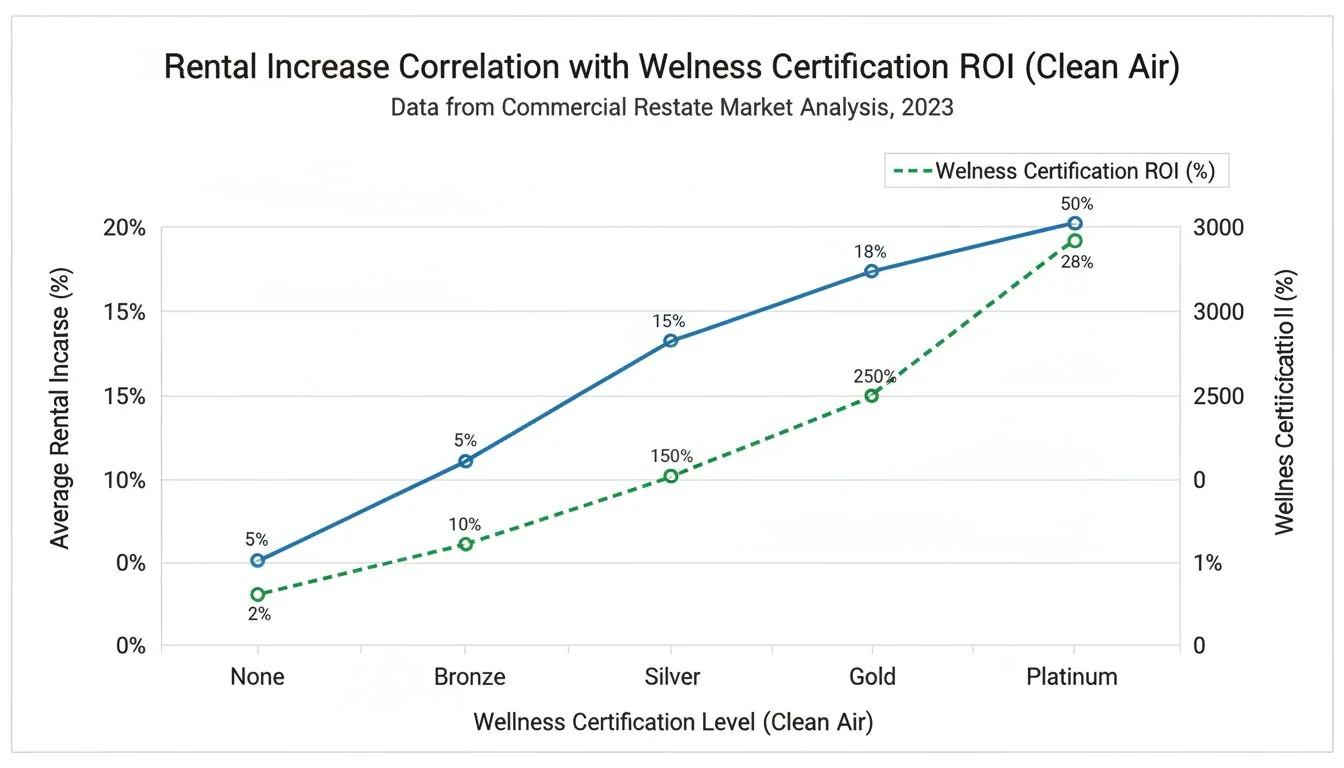
The "WELL Certification" is the Golden Ticket in modern real estate. It is the global standard for healthy buildings. Developers want this plaque on their wall because it allows them to charge more.
Hisoair’s wall-mounted units are the easiest way to earn "Air Concept" points toward this certification. It is a strategic compliance tool.
Instead of doing a massive construction project to meet the standard, the developer installs these units. They get the points. They get the certification.
This leads to higher rents. Tenants pay a premium for "WELL Certified" spaces. It also lowers churn. When a tenant feels that the building management cares about their health, they stay longer.
Lower churn means less money lost on empty units and marketing. So, the cost of the units is paid back quickly. It is an investment, not an expense.
The Financial Breakdown:
- Premium Rents: Certified healthy buildings command 10-20% higher rates.
- Retention: Happy, healthy tenants renew their leases.
- Differentiation: You win the war against the building next door that smells like dust.
WELL Certification increases asset value.真
Buildings with wellness certifications have been shown to have higher occupancy rates and sale prices compared to non-certified peers.
Tenants do not care about building certifications.偽
Corporate and residential tenants are increasingly demanding proof of healthy environments, making certifications a key decision factor.
結論
Clean air is no longer just a nice-to-have; it is a financial asset. By using visible, scalable wall-mounted purifiers, developers can retrofit old buildings, gain WELL Certification, and increase rents. It is the smartest way to future-proof your property.
References
-
Understanding WELL Certification can help developers enhance property value and attract health-conscious tenants. ↩
-
Exploring smart integration can reveal how it simplifies maintenance and improves tenant experiences. ↩
-
Learning about Air-as-a-Service can help property managers streamline operations and enhance air quality management. ↩
-
Understanding the financial benefits of clean air can justify investments in air quality improvements. ↩


 日本語
日本語  English
  Français
  Español
  Italiano
  Deutsch
  Português
  Русский
  العربية
  한국어
한국어  Tiếng Việt

