新しいタブで開きます
革新的な空気品質ソリューション

壁掛け型空気清浄機はホテルに最適か?

ホテルの部屋に入ったときのことを考えてみてほしい。その空間は新鮮に感じられた。とても魅力的に感じた。

そうですね、壁掛け式の空気清浄機はホテルではとても効果的です。室内の空気の質を向上させる。床面積を使いません。清浄機はお客様に清潔で快適な環境を提供します。清潔な空気は宿泊客にとって非常に重要です。

最初にきれいな空気を吸うと、すがすがしい気分になる。しかし、これらの機器は見た目以上のものを提供してくれる。壁掛け型清浄機は、ゲストの幸福度を真に高めます。また、ホテルの仕事も簡素化します。現代のイノベーションは、ホスピタリティ体験を変えます。先進のテクノロジーとエレガントなデザインで。

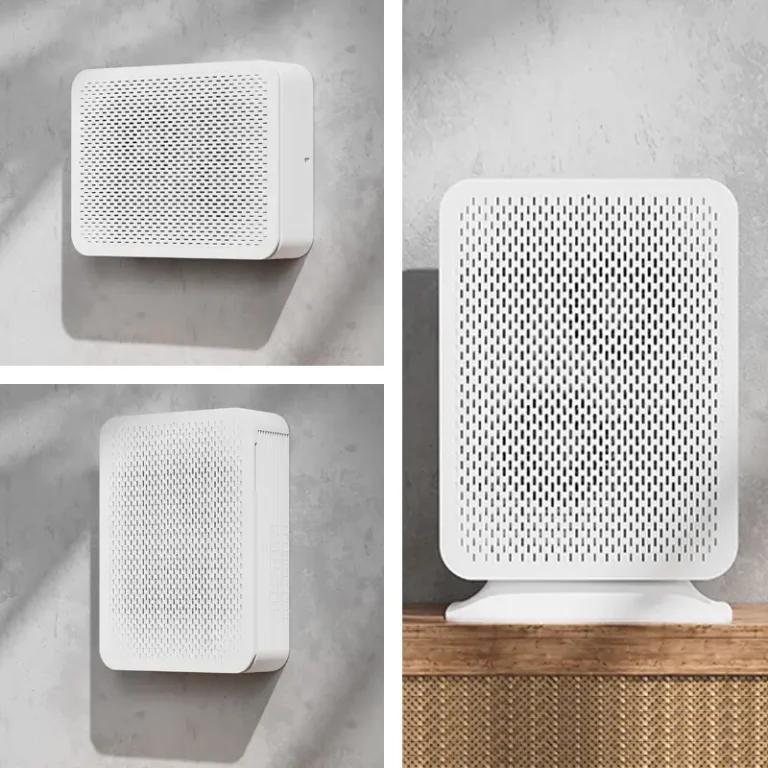
壁掛け式の清浄機は、ホテルの床面積を節約できる。真

壁掛け式の空気清浄機は壁に設置するため、床面積が空く。

空気清浄機は室内の空気の質を改善するものではない。偽

空気清浄機は汚染物質を除去し、室内の空気の質を効果的に改善する。

ホテルの客室に壁掛け型空気清浄機を選ぶ理由

ホテルの部屋に入ると、朝のそよ風のように空気が新鮮に感じられることを想像してみてください。この爽やかさは、賢い壁掛け空気清浄機から生まれます。

壁掛け式空気清浄機は、省スペースで先進技術を採用。ホテルの客室の空気の質を大幅に改善します。宿泊客はきれいな空気で快適な滞在を楽しむことができます。ホテルのスムーズな運営をサポートします。
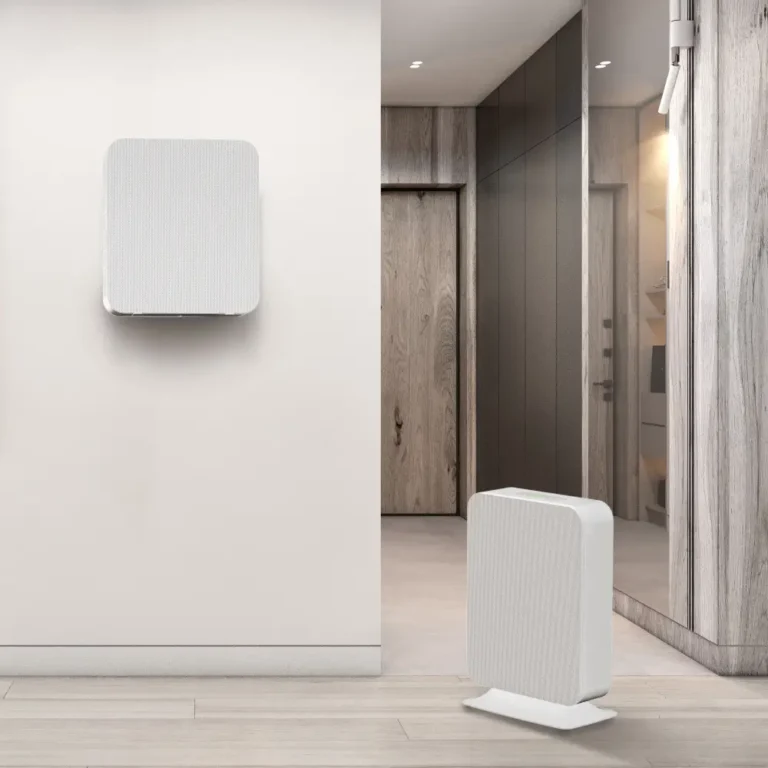
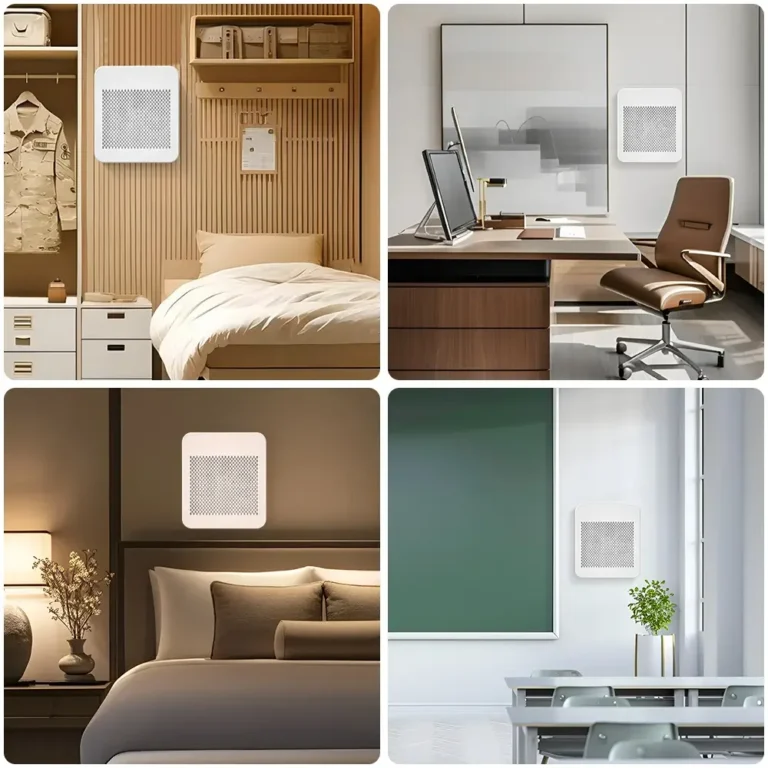
スタイリッシュな内装と空気清浄機を備えたモダンなホテルの客室
モダン・ホテルの客室

スペース効率

壁掛け式の空気清浄機は、スペースを節約するために巧みなデザインを採用している。スーツケースがベッドとテレビ台の間にほとんど入らないような、窮屈なホテルの部屋を思い浮かべてほしい。壁掛け型は、床面積を確保することで、この問題に対処します。宿泊客は簡単に動き回れるし、ヨガマットを敷くスペースとしても使えるかもしれない。両方の意味で、呼吸するスペースが増えたようなものです。

これは特に次のような場合に有効である。 コンパクトなホテルルーム1このような場所では、ゲストが快適に過ごすために、使用可能な面積を最大化することが重要である。

大気の質の改善

私のような季節性アレルギーの人は、壁掛け式の空気清浄機がある部屋にいると安心する。これらの装置は、特殊なフィルターを使ってホコリ、花粉、バクテリアから空気をきれいにする。HEPAフィルターは0.3ミクロンという小さな粒子をキャッチし、部屋をクリーンな空気の楽園に変えてくれる。

鼻づまりや目のかゆみのない目覚めを想像してみてください!きれいな空気は、ゲストに良い体験をしてもらうためにとても重要だ。これは単なるご褒美ではなく、必要なことなのだ。 室内空気品質2アレルギーや呼吸器系の問題を軽減することで、ゲストの体験を大幅に向上させることができる。

技術の進歩

技術好きの私は、これらの空気清浄機のスマート技術を楽しんでいる。リモコンやスマート統合は、多くのモデルが提供するエキサイティングな機能だ。

特徴 ベネフィット
リモコン 身体に触れることなく調整できる便利な機能
IoTインテグレーション リアルタイムの監視と制御
占有センサー 自動化によるエネルギー節約

多くのモデルには、部屋にいる人を感知するセンサーが搭載されており、部屋の使用状況に応じて空気清浄を調整し、エネルギーを節約する。これは、いつ働き、いつ止めるべきかを知っている賢いヘルパーがいるようなものだ。これは エネルギー効率に優れた技術3 清浄機の運転が良好に保たれるため、ホテルのスタッフの心配事がひとつ減る。

ノイズ・リダクション

私は多くの忙しいホテルに滞在し、騒音がいかに重要であるかを知っています。Decibel Cancellation™(デシベル・キャンセレーション)のような技術革新により、壁掛け型空気清浄機は静かに作動するので、ホテルの客室で静かな環境を維持するのに理想的です。

この機能は、騒音に敏感な人や安眠を必要とする人にとって、ゲームを変える。

カスタマイズと柔軟性

ホテルのオーナーは、HisoAirのようなブランドで多くの選択肢を得ることができる。特定のニーズに合わせて機能をカスタマイズできる。 ろ過技術4 また、部屋の大きさに合わせた性能レベルも用意されている。

このカスタマイズによって、ホテルはエアシステムを完璧なものにすることができる。
全体として、壁掛け型空気清浄機は単なるガジェットではなく、先進的な機能と実用的なデザイン要素を融合させることで、素晴らしいゲスト体験を創造するのに役立っている。

壁掛け式の空気清浄機は、ホテルの客室の床面積を節約できる。真

これらの清浄機は壁に取り付けられるため、貴重な床面積を確保できる。

すべての壁掛け型空気清浄機は、ホテルの客室で大音量で作動する。偽

多くのモデルは、静かな動作のためのノイズ低減技術を備えています。

壁掛け型空気清浄機はどのようにゲストの体験を向上させるのか?

ホテルの部屋に入るところを思い浮かべてほしい。空気はとても新鮮だ。まるでリラックスできるスパに入ったような気分だ。

壁掛け型空気清浄機は、ゲストの体験を向上させます。空気を清浄化し、アレルゲンを低減します。静かに作動し、床面積を占有しません。これらの機器は、ホテルや同様の場所での快適さと満足度を高めます。きれいな空気はゲストにとって本当に重要です。
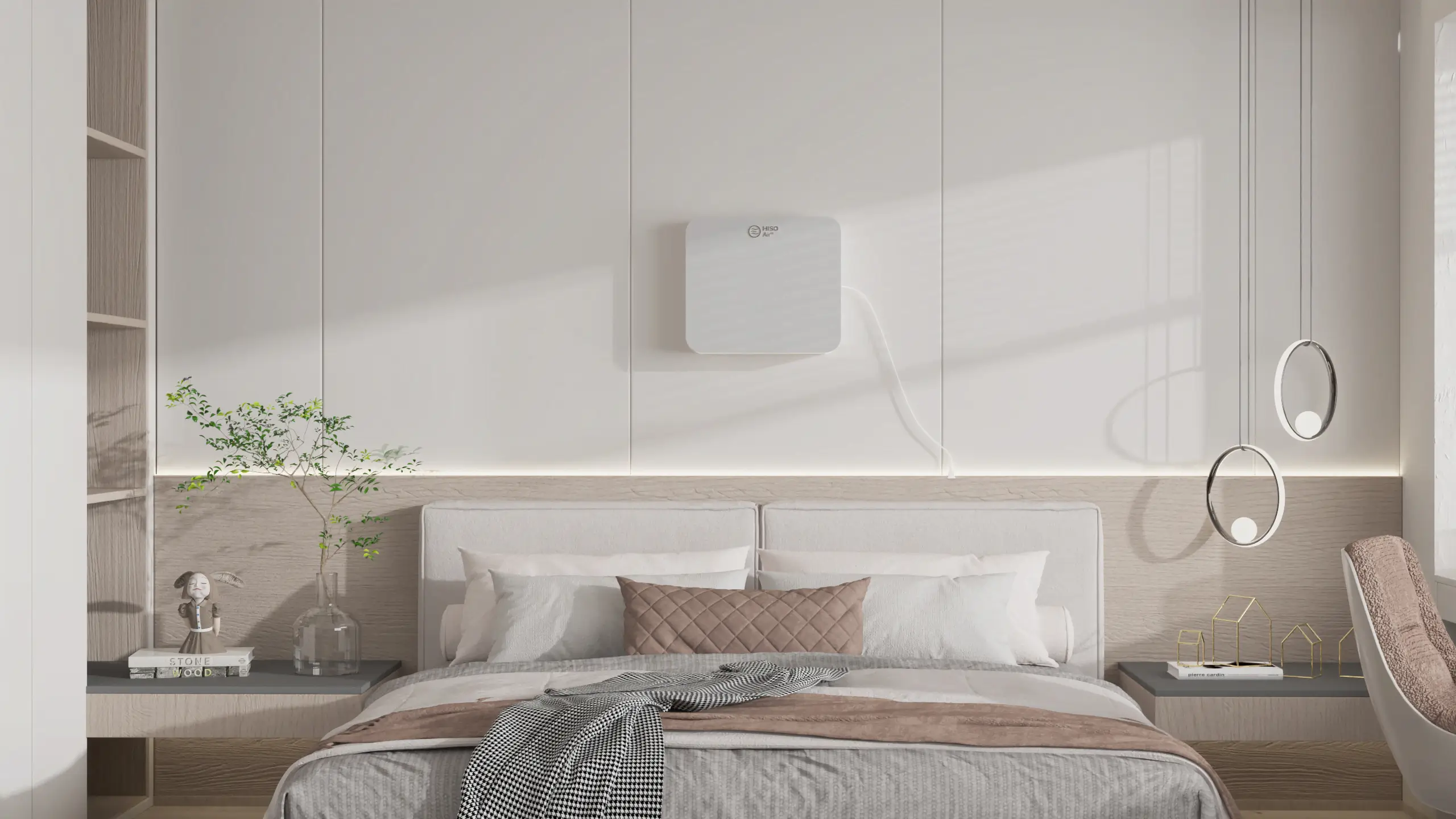
スタイリッシュでモダンなホテルの客室には、壁掛け式の空気清浄機が設置されている。
モダン・ホテルの客室

壁掛け型空気清浄機の利点

壁掛け型空気清浄機は、スペースを節約するためのエレガントなソリューションです。この洗練されたデバイスは、どんな部屋のデザインにも簡単にフィットし、貴重な床スペースを解放します。不格好な機器につまずくことなく、荷物を広げたり、床でヨガの練習をしたりすることを想像してみてください。

特徴 ゲストへのメリット
スペース効率 より広い客室
静かな動作 中断のない休息と快適さ

これらのユニットは静かに作動するので、そこにあることさえ忘れてしまうかもしれない。ある晩、私はベッドで読書をしていたのだが、柔らかいハム音にほとんど気づかなかった。最先端技術により、静寂を愛する人々に安らぎを与えてくれる。

技術の進歩

これらの清浄機は、外観や静音性よりもはるかに多くのことを優先している。その高度な技術機能は、多くのホテル・マネージャーに感動を与えている。誰かが部屋に入ると感知して自動的に運転を開始し、空気を清浄に保つ装置もあり、まるで新鮮な空気が必要な時を知っている目に見えない執事のようだ。

占有センサーなどの高度な機能により、これらの機器は部屋の使用状況に応じて性能を調整し、エネルギー効率を最適化するとともに、必要に応じて空気の質を確保することができます。例えば、壁掛け型の清浄機は、来客が部屋に入ったことを検知すると自動的に作動します。これにより、エネルギーを節約できるだけでなく リアルタイムデータ5 空気の質と居住性について。

モノのインターネット(IoT)機能を統合することで、ホテルの管理者はこれらの清浄機を遠隔で監視・制御し、全客室で一貫した空気品質を提供できる。

高い顧客満足度

今日、健康志向の旅行者の多くは、宿泊先を慎重に選んでいる。きれいな空気は単なる贅沢品ではなく、必需品となっている。そのために 高性能 CADR システムを導入することで、ホテルは空気中の汚染物質やアレルゲンを減らし、全体的な宿泊体験を向上させることができる。

壁掛けタイプの清浄機は、モダンで衛生的な雰囲気を作り出し、部屋の雰囲気を変えます。パーソナライズされた設定が快適さを増し、ゲスト一人ひとりが満足感を味わうことができます。チェックアウト後も、大切な思い出作りをお手伝いします。

壁掛け式の空気清浄機は、部屋の散らかりを抑える。真

壁面に設置されるため、ゲストのために床面積を空けることができる。

デシベル・キャンセリング™は、室内の騒音を増加させます。偽

デシベル・キャンセレーション™は、ノイズを最小限に抑え、静けさを高めるように設計されています。

壁掛け型空気清浄機はなぜユニークなのか?

なぜ壁掛け型空気清浄機が家庭や企業に不可欠なのか不思議に思いませんか?これらの機器は、実に驚くべき機能を備えている。

壁掛け型空気清浄機 are popular because of their design that saves space. They often have advanced filtration systems. Smart technologies like sensors and remote controls are also included. These features increase their usefulness. Very useful in modern homes and businesses. Air purifiers like these are a perfect choice.
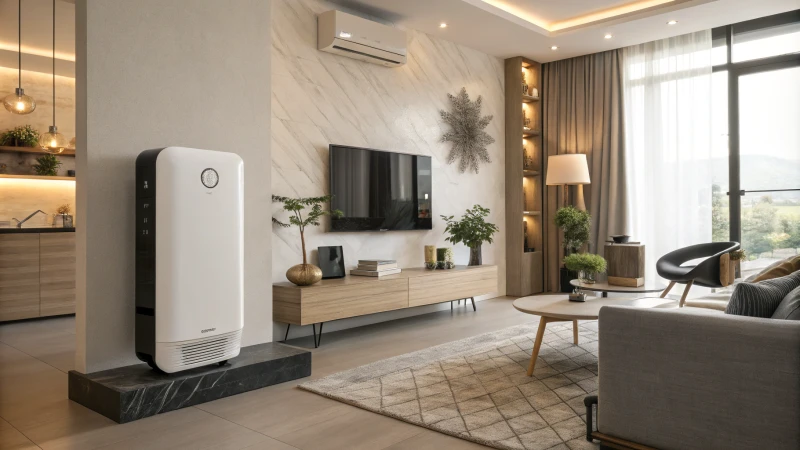
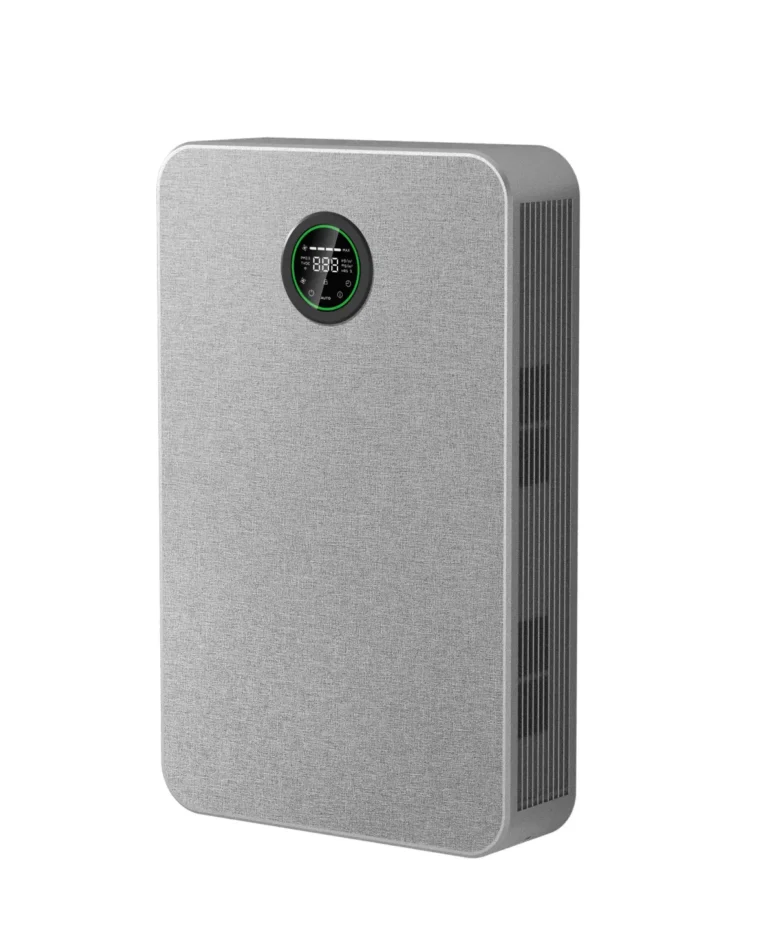
スタイリッシュなリビングルームにモダンな壁掛け空気清浄機
モダン・リビングの空気清浄機

省スペース設計

壁掛け式の空気清浄機は、賢いデザインのトリックのようなものだ。床面積を使うことなく、どんな部屋にもフィットし、美的魅力を高め、より良い空間作りを可能にする。 空気循環6 を一帯に行き渡らせる。新鮮できれいな空気の部屋に入れば、装置が働いていることにほとんど気づかない。このセットアップは空間に美しさを加え、より健康的な環境を促進します。

高度ろ過システム

魔法はデザインにも続いている。これらの清浄機は、HEPAフィルター、活性炭、バクテリアと戦うためのUV-Cライトなど、何層ものフィルターを備えています。まるで、あなたの空気から汚染物質、アレルゲン、臭いを取り除くために、チームが懸命に働いているようなものだ。

フィルタータイプ 機能性
ヘパ ホコリや花粉などの微粒子をキャッチ
活性炭 臭いや化学物質の蒸気を吸収
UV-Cライト バクテリアとウイルスを中和する

スマート・テクノロジーズ

私の中の技術愛好家は、空気の質をチェックし、それに応じて操作を変更するセンサーを楽しんでいる。モデルによっては リモコン7 携帯電話からモードを切り替えたり、スケジュールを設定することができます。人がいなくなるとセンサーが感知して電源を切り、エネルギーとコストを節約します。

静かな動作

最高なのは?静かにささやきます。デシベルキャンセル技術などの高度な機能により、これらの清浄機は静かに作動し、ご家庭やオフィスの平和を妨げません。これは、ホテルのようにゲストの快適さが最優先される環境では非常に重要です。

これらの技術をすべて取り入れることで、壁掛け型空気清浄機は単なる空気清浄機ではなく、現代の生活にフィットしたスマートなソリューションとなっている。家庭でも職場でも、室内の空気環境を改善したい人に大きなメリットをもたらします。

特徴 ベネフィット
スマートセンサー リアルタイム大気質モニタリング
リモコン アプリによる便利な操作
稼働検知 スマートオートメーションによる省エネルギー

これらの進歩は、壁掛け型清浄機が室内の空気問題に対する総合的な解決策となることを示している。多くの場所で健康と快適性を向上させます。これらの技術革新の統合をご検討ください。 変える8 室内環境の空気の質を簡単に改善することができます。

壁掛け式の空気清浄機は、床面積を節約できる。真

これらの清浄機は壁に取り付けられるように設計されているため、床面積を空けることができる。

すべての壁掛け型清浄機はUV-Cライトを使用している。偽

すべてのモデルにUV-Cライトが搭載されているわけではなく、オプション装備のものもある。

壁掛け型空気清浄機はホテルでの使用に費用対効果が高いか?

ホテルの支配人、ほっと一息!壁掛け式の空気清浄機が客室を密かに救うと考えたことはありますか?

壁掛け型空気清浄機 do not cost much. Hotels like them because of their small size and energy-saving features. They really help improve air quality in rooms. They also increase guest satisfaction. They reduce hotel expenses too.
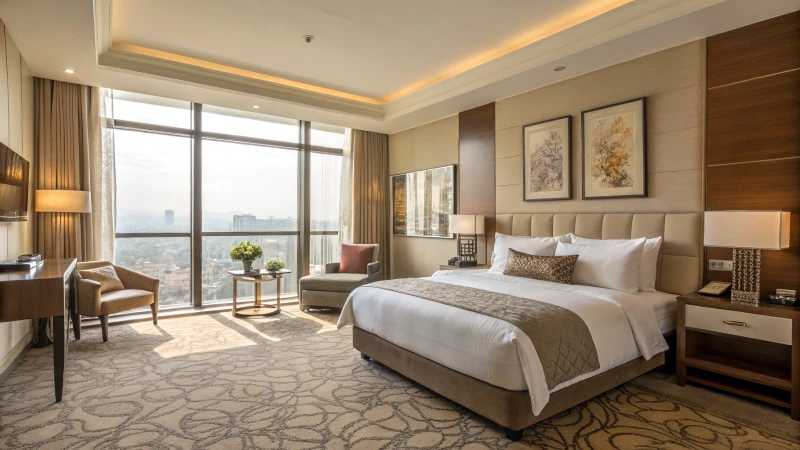
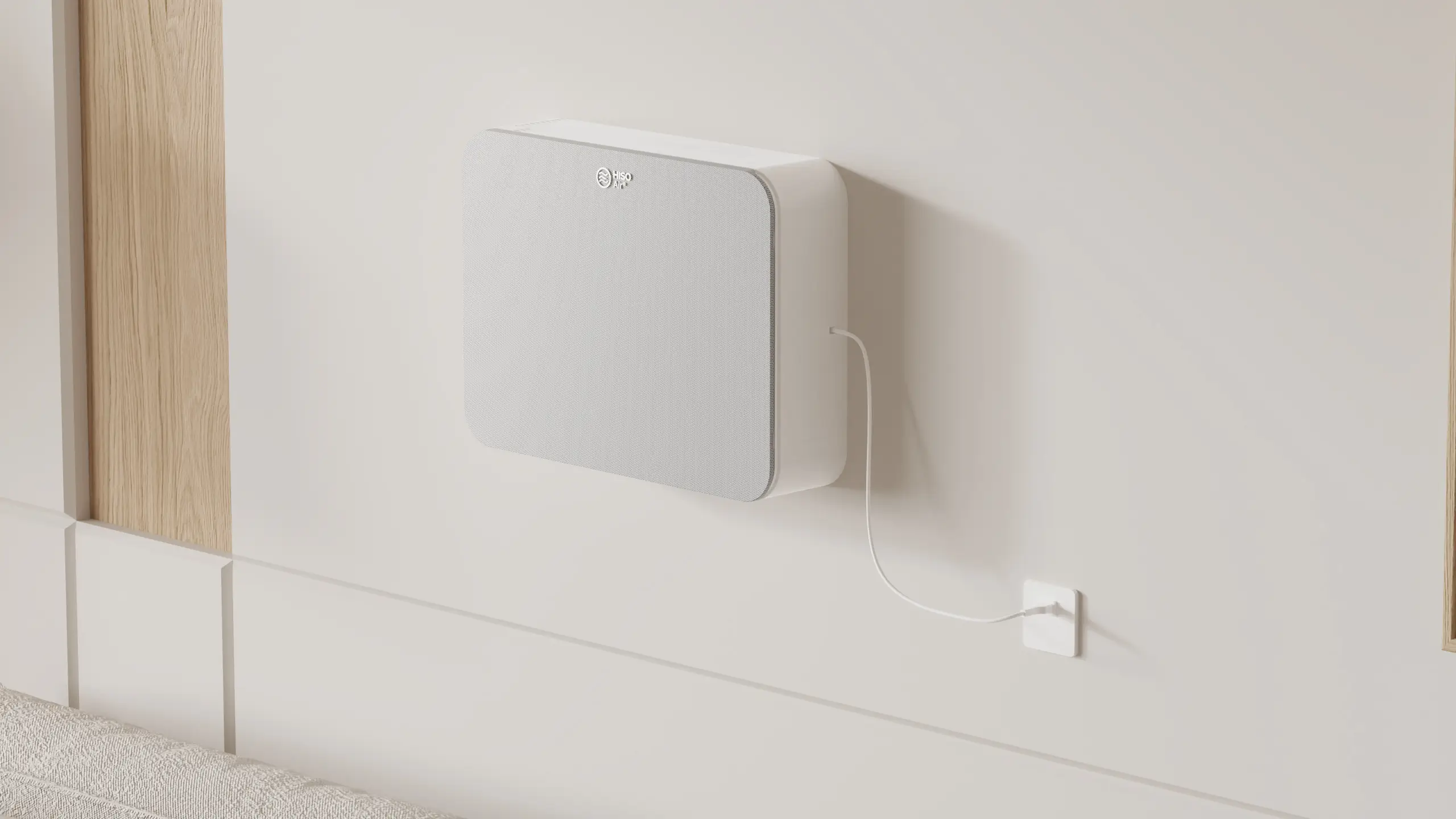
壁掛け式空気清浄機を備えたモダンなホテルの一室
モダン・ホテルの客室

壁掛け型空気清浄機の主な利点

初めてホテルの部屋に入ったとき、とても新鮮な空気に気づいたのを覚えている。些細なことのように思えたが、大きな安らぎをもたらした。壁掛け型空気清浄機は、場所を取らずにこの新鮮な空気を提供します。そのエレガントなデザインは、どんなホテルのスタイルにもフィットし、ほとんど目立たず、美的感覚を好むゲストを喜ばせます。

技術革新

私は昔からテクノロジーが大好きで、それを使って空気を改善するのは本当にエキサイティングなことだ。次のようなモデルがある。 ヒソエア9 ストームモーターやノイズリダクションなどの最新技術により、清浄機は静かに作動します。平和な環境はゲストにとって貴重なものです。

エネルギー効率

ホテルはしばしば高い電気代に直面する。一部の清浄機には稼働センサーが搭載されており、客室が空になると自動的に電源が切れるため、電気代削減に役立つ。まるで、スマートなヘルパーが経費を管理しているようなものだ。この賢い使い方は、次のような洞察も与えてくれる。 稼働率と空気の質10.

特徴 ベネフィット
エレガントなデザイン どんなホテルスタイルにもシームレスにフィット
ノイズ・リダクション 静かな環境を確保
占有センサー エネルギー節約とデータ洞察

ゲストの満足度とビジネスへの影響

お客さまがきれいな空気を吸っていることを知ることは、お客さまの健康を気遣っていることを示すことになり、とても満足感が得られます。ゲストの快適さを向上させることは、ホテルの評判を高め、多くの場合、素晴らしいレビューとより多くの訪問をもたらします。壁掛け型清浄機を導入することで、環境に優しいホテルとして認知される可能性もあります。

コスト・ベネフィット分析

ホテルでは、賢明な財政的選択が不可欠である。壁掛け型清浄機の初期コストは高く感じるかもしれないが、長期的に見れば、ゲストの幸福度を高めながらエネルギー代を節約でき、かけがえのない財産となる。さらに、IoTレポート技術から以下のような貴重なデータを得ることができる。 大気質動向11また、確実な利益を得るために業務の最適化を支援する。

壁掛け式の清浄機は、ホテルのスペースを節約できる。真

コンパクトなデザインなので、部屋のレイアウトの邪魔になりません。

稼働センサーはエネルギーコストを増加させる。偽

部屋に誰もいないときにシャットダウンすることで、エネルギー消費を抑えることができる。

結論

壁掛け型空気清浄機 enhance hotel guest experiences by improving air quality, saving space, and utilizing advanced technology for energy efficiency and quiet operation.


  1. 省スペース設計がいかにゲストの快適性と部屋の使いやすさを向上させるかをご覧ください。 ↩

  2. 空気の質がゲストの健康と満足度に与える影響について学ぶ。 ↩

  3. エネルギー効率の高いソリューションがどのようにコストを削減し、持続可能性を向上させるかを探る。 ↩

  4. カスタマイズ可能な清浄機を特定のホテルのニーズに合わせてカスタマイズする方法をご覧ください。 ↩

  5. IoT機能により、ホテルがどのように優れた空気品質を容易に維持できるかをご覧ください。 ↩

  6. 空気循環を改善することで、新鮮な空気を均等に行き渡らせ、暑い場所や寒い場所を減らし、室内の快適性を向上させます。 ↩

  7. リモコン式清浄機は、どこからでも空気品質設定を管理できるため便利です。 ↩

  8. 壁掛け型清浄機がもたらす変化を理解することで、ニーズに合ったモデルを選ぶことができる。 ↩

  9. 性能とゲストの快適性を高めるヒソ空気清浄機の革新的なテクノロジーについてご紹介します。 ↩

  10. スマートセンサーが、部屋の使用状況に応じて動作を調整することで、いかに省エネと経費削減に役立つかをご理解ください。 ↩

  11. IoT技術によるデータ分析が、大気質のモニタリングと意思決定をどのように改善するかを探る。 ↩
シェアする
ヒソエア創設者のリー氏
Alwen Lee, an air purification expert with over 10 years of experience, is a devoted father of two and a passionate traveler, having explored more than 30 countries. With a love for public speaking and swimming, he has dedicated his life to the indoor air quality industry. His mission is to ensure that people around the world enjoy the freedom to breathe clean air and lead happy, healthy lives.

メッセージを送る

もっと読む

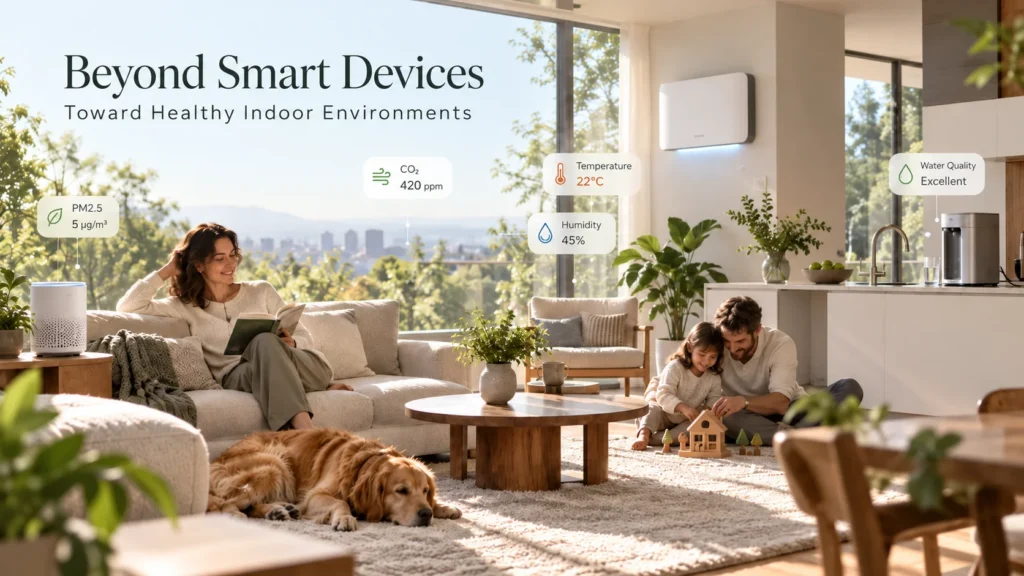
Modern living room with a family enjoying a healthy indoor environment monitored by smart devices, natural lighting, and greenery.

After IFA 2026: The Healthy Home Is Moving Beyond Smart Devices

In our previous IFA 2026 column, Air Purification Is Becoming Part of the Healthy-Home Platform, we argued that the next generation of indoor-health products would ...
ニュース
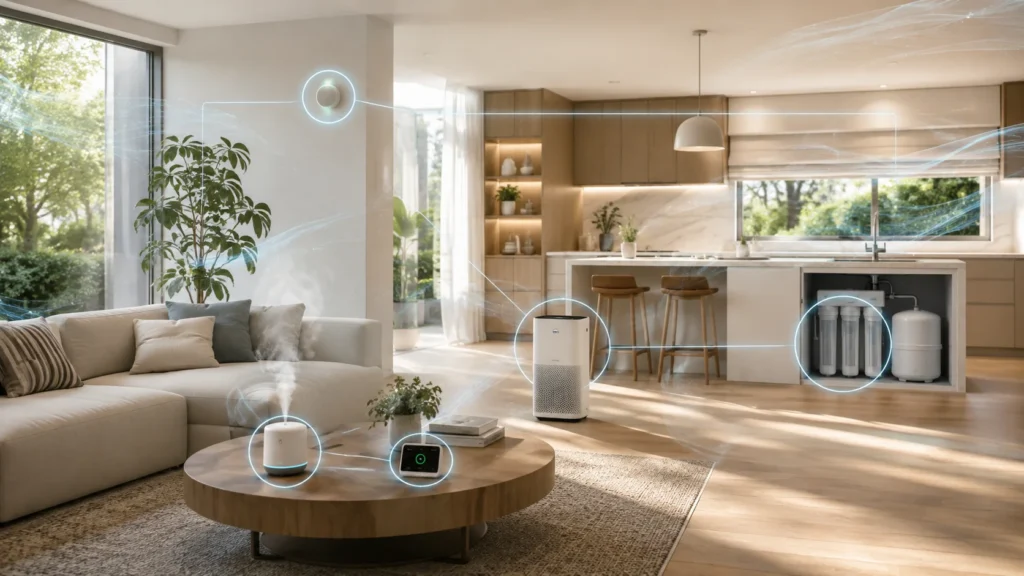
Modern living room and kitchen with smart home air quality devices including an air purifier, humidifier, and water filtration system, connected with visualized blue connectivity lines.

IFA 2026: Air Purification Is Becoming Part of the Healthy-Home Platform

Pre-IFA Industry Perspective | September 4, 2026 This article is based on official announcements and regulatory information available ahead of IFA 2026, which takes place ...
ニュース
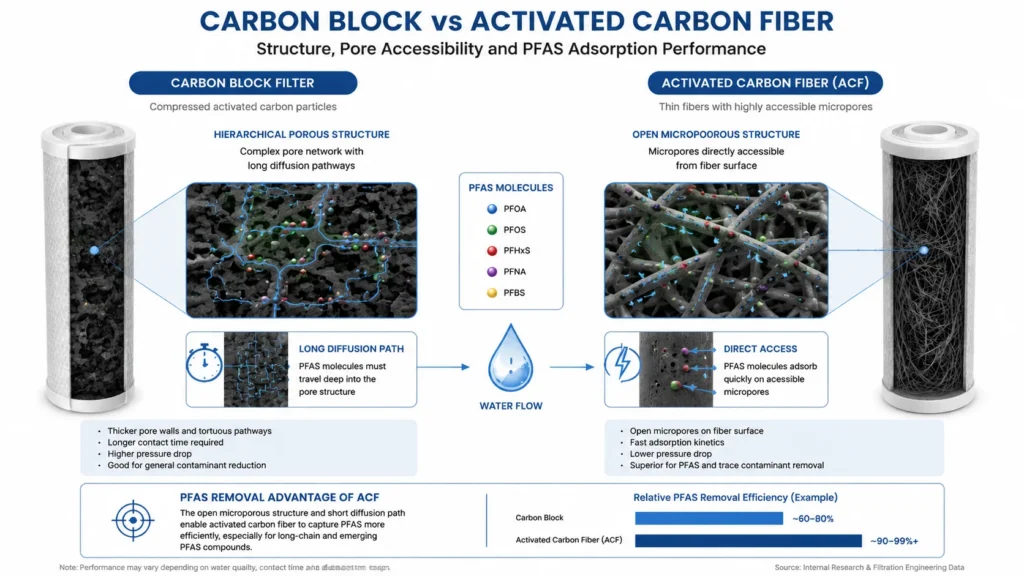
Comparison infographic showcasing the differences between carbon block filter and activated carbon fiber. Detailed diagrams illustrate the hierarchical porous structure of the carbon block with long diffusion paths and the open microporous structure of the activated carbon fiber with direct access for PFAS adsorption.

Carbon Block vs. Activated Carbon Fiber (ACF): Matching Media to Target Contaminants

Two carbon media. Same adsorption chemistry. Very different behaviour in a point-of-use cartridge. If you are specifying a water purifier platform for a PFAS-aware market, ...
ニュース
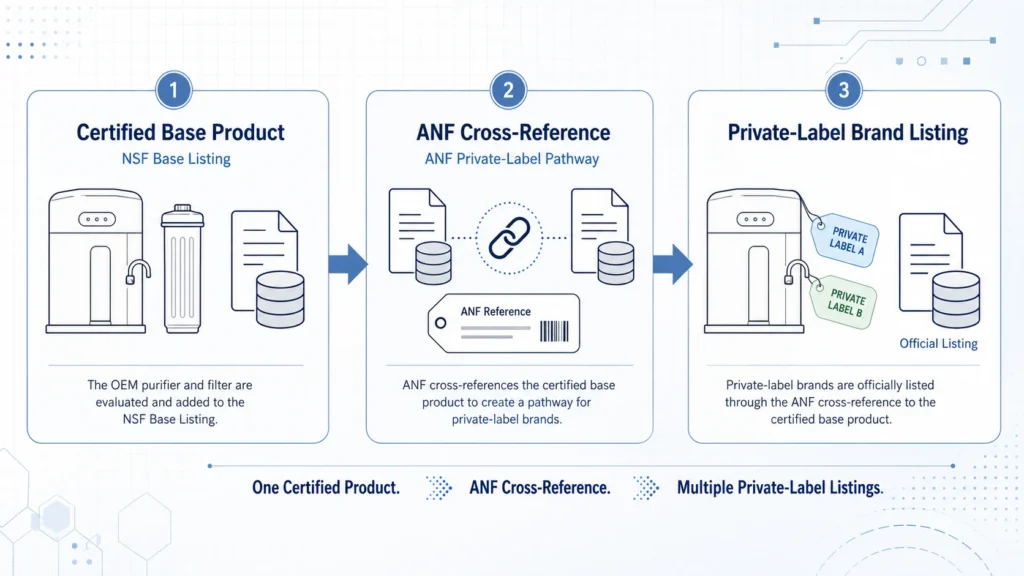
NSF base listing and ANF private-label certification pathway for OEM water filters

What Is an NSF Master Listing? A Guide to Base Listings, ANF Certification and OEM Water Filters

For a brand preparing to launch an OEM water purifier, one of the most common supplier claims is: “We already have an NSF master listing, ...
News, Water Purifiers
Healthy-home brand team reviewing PFAS water filter certification, test data and product engineering

Entering the Water Category Is Easy. Building a Credible PFAS Claim Is Much Harder

For air purification, appliance and healthy-home brands, entering the water category can look surprisingly easy. A company can select an existing undersink system, customize its ...
ニュース
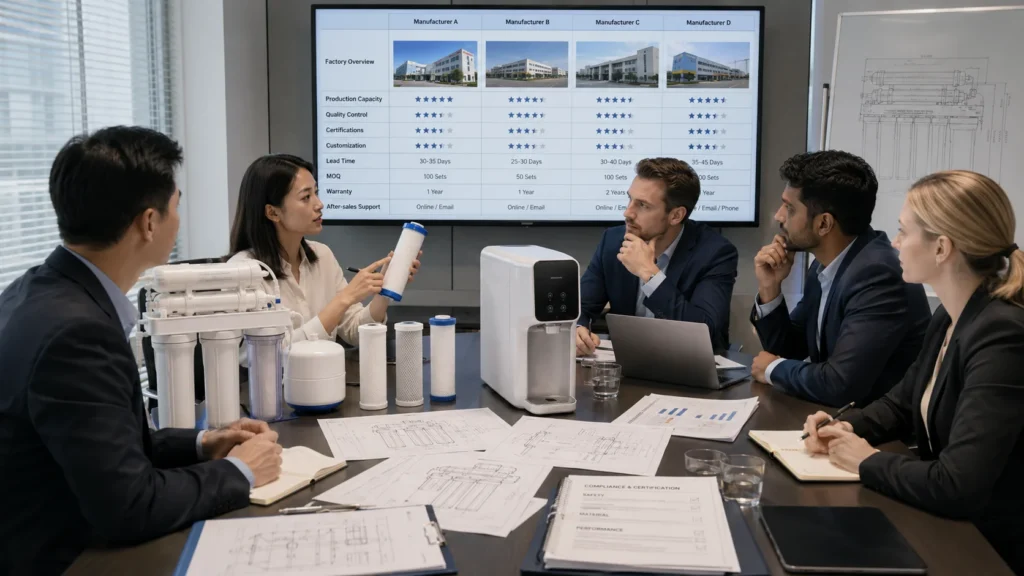
Team in a business meeting discussing a water filtration system with product components and a comparison table displayed on a screen.

5 Leading OEM Water Purifier Manufacturers in China for Private Label Brands

China has thousands of companies selling water filters, reverse osmosis systems and drinking-water appliances. However, only a portion of them are suitable for private-label, OEM ...
ニュース
Contaminant Engineering•3 min read

PFAS Water Filtration Technologies Explained: Carbon, Resin & RO

Key Takeaway:

PFAS reduction depends on the specific compounds present, treatment media, contact time, water chemistry, and system design. Activated carbon, ion exchange, and Reverse Osmosis address PFAS through different mechanisms.

PFAS are a large family of persistent fluorinated compounds that can occur in drinking-water supplies. Their treatment behavior varies significantly by molecular structure, chain length, functional group, concentration, and the chemistry of the source water.

Granular Activated Carbon (GAC) removes PFAS primarily through adsorption. It is generally more effective for many longer-chain PFAS, while shorter-chain compounds tend to break through more quickly. Carbon performance depends on media properties, Empty Bed Contact Time (EBCT), competing organic matter, loading, and replacement frequency.

Ion-exchange resins use charged functional sites to capture many PFAS compounds. Properly selected anion-exchange media can provide high capacity and may perform better than conventional activated carbon for some shorter-chain PFAS, although performance still depends on water chemistry and competing ions.

Reverse Osmosis (RO) uses membrane separation rather than adsorption. Properly designed RO systems can provide broad reduction across many PFAS compounds as well as dissolved salts and other contaminants. Unlike carbon or resin, however, RO also produces a concentrate stream that must be managed.

No single technology should be selected from a PFAS label alone. System design should consider which PFAS compounds are present, their concentrations, required reduction targets, flow rate, media life, and the applicable third-party certification or validation requirements.

HisoAir Water Technical Series
Product Discovery•3 min read

How to Choose an Under-Sink Water Purifier for Modern Kitchens

Key Takeaway:

Match the treatment technology to your water quality first, then evaluate cabinet space, faucet configuration, flow rate, drain and power requirements, and filter replacement needs.

Choosing an under-sink water purifier starts with water chemistry. Carbon filtration is well suited to chlorine, taste, odor, and many organic contaminants, while Reverse Osmosis is more appropriate when dissolved salts, fluoride, nitrates, or broader dissolved contaminants need to be reduced.

For compact kitchens, tankless RO systems eliminate the conventional storage tank and can significantly reduce the space required under the sink. However, membrane capacity stated in GPD does not directly equal faucet flow. When comparing systems, check the actual dispensing flow rate, inlet-pressure requirement, recovery ratio, and whether a booster pump is required.

Installation architecture also matters. Many RO systems require a drain connection, electrical power, and either a dedicated drinking-water faucet or a compatible multi-function faucet. High-flow carbon systems can often connect directly to the existing cold-water line with a simpler installation, but pressure drop and available faucet flow should still be verified.

RO also removes much of the naturally occurring dissolved mineral content. Where taste or mineral balance is a priority, a post-RO remineralization stage can be added. Filter life should be evaluated by both rated capacity and local water quality rather than replacement time alone.

The right system is therefore not simply the smallest or highest-GPD model. It is the configuration that matches the target contaminants, available cabinet space, desired faucet setup, peak dispensing demand, and maintenance expectations.

HisoAir Water Technical Series
Water Quality•2 min read

What Does TDS Mean in Drinking Water? Measurement vs Contaminant Reality

Key Takeaway:

A TDS meter estimates the overall concentration of dissolved ionic substances from electrical conductivity. It cannot identify specific contaminants or determine whether water is chemically safe.

Total Dissolved Solids (TDS) refers to the combined concentration of dissolved substances in water. Most handheld TDS meters do not measure TDS directly. Instead, they measure electrical conductivity (EC) and convert that reading into an estimated parts-per-million (ppm) value.

This means a TDS reading can indicate how much dissolved ionic material is present, but not what that material actually is. Calcium, magnesium, sodium, nitrates, and other dissolved ions can all contribute to conductivity, yet a simple TDS meter cannot distinguish between them.

TDS meters are also not suitable for detecting trace contaminants such as PFAS, many VOCs, pesticides, pharmaceuticals, or disinfection byproducts. These substances may be present at concentrations far below the level needed to noticeably change electrical conductivity.

A low TDS reading therefore does not guarantee safe drinking water, and a higher TDS reading does not automatically indicate contamination. Water-treatment decisions should be based on laboratory testing for specific contaminants of concern rather than TDS alone.

HisoAir Water Technical Series
Technology Selection•2 min read

RO vs UF Water Filtration: Understanding Pore Sizes & Dissolved Minerals

Key Takeaway:

Ultrafiltration can reduce bacteria, turbidity, and suspended particles while retaining most naturally occurring dissolved minerals. Reverse Osmosis provides much broader reduction of dissolved salts and smaller contaminants.

Ultrafiltration (UF) typically uses hollow-fiber membranes with pore sizes in the approximate 0.01–0.1 micron range. These membranes physically retain turbidity, suspended solids, colloids, and many microorganisms while allowing dissolved minerals and salts to remain in the water.

Reverse Osmosis (RO) operates at a much finer separation level. Unlike UF, RO can substantially reduce dissolved ions such as sodium, calcium, fluoride, nitrates, and other contributors to total dissolved solids (TDS). This makes RO more suitable when dissolved-salt reduction is a primary treatment objective.

UF generally requires less system pressure and produces little or no continuous concentrate stream in many point-of-use configurations. RO typically requires greater pressure and produces a reject-water stream, but delivers broader contaminant reduction.

For water with acceptable TDS and mineral content, UF can be a simpler mineral-retaining treatment option. Where dissolved salts, fluoride, nitrates, or broader dissolved contaminants are a concern, RO is generally the more appropriate technology.

HisoAir Water Technical Series
Technology Selection•4 min read

Carbon Block vs Reverse Osmosis: Which Fits Your Need?

Key Takeaway:

Choose RO for dissolved inorganic salts and heavy metals; choose Carbon Block for chemical taste/odor, no wastewater, and high line-pressure flow.

Reverse Osmosis (RO) and Carbon Block filtration represent two fundamentally different treatment methods: membrane separation and adsorption. Understanding these differences helps determine which technology is better suited to a specific water-quality requirement.

Reverse Osmosis uses a semi-permeable membrane with pore sizes of approximately 0.0001 microns. It can significantly reduce dissolved inorganic contaminants such as TDS, fluoride, nitrates, and certain heavy metals. Because water must be forced through the membrane, RO systems require sufficient pressure or a booster pump and generate a concentrated wastewater stream.

Carbon Block filtration relies primarily on adsorption through compressed activated carbon, commonly with nominal pore sizes around 0.5–5 microns. It is highly effective for chlorine, chloramines, VOCs, taste, and odor, while allowing substantially higher direct-flow rates without producing wastewater.

From an operating perspective, Carbon Block systems are generally simpler, require less energy, and avoid the water loss associated with RO. RO involves higher system complexity and operating cost, but provides substantially broader reduction of dissolved contaminants that Carbon Block alone cannot address.

HisoAir Water Technical Series

見積依頼