新しいタブで開きます

業界インサイト

最新の投稿

wall mounted air purifier ha200 ha400 office

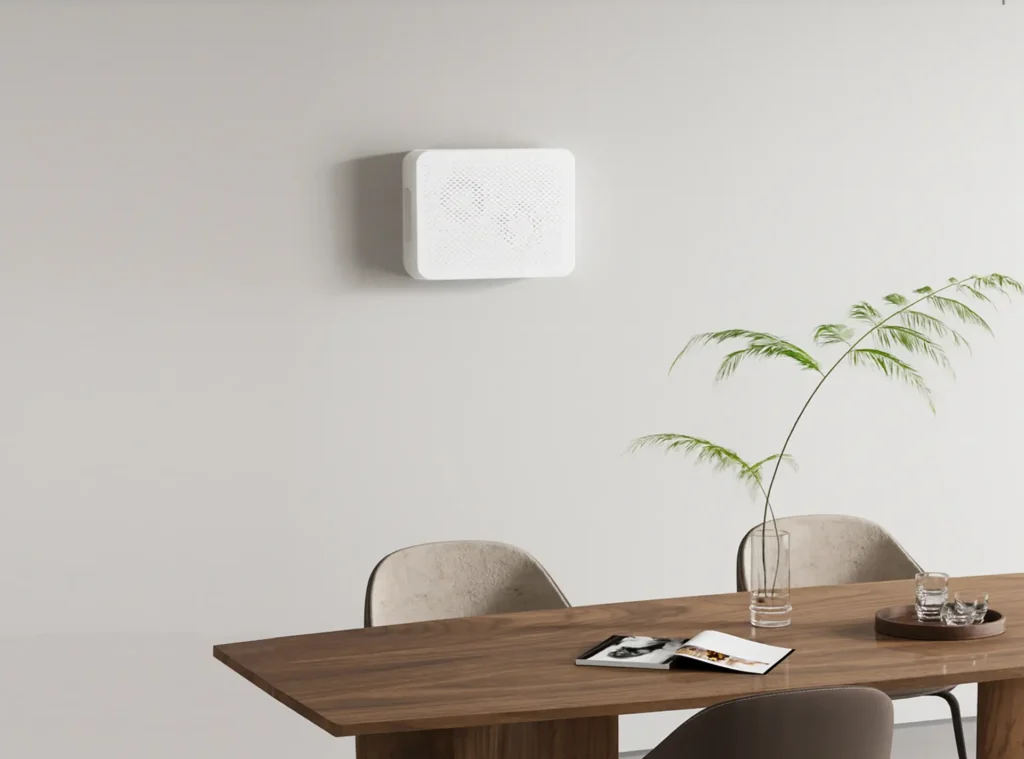
壁掛け型空気清浄機ベスト5とは?

この記事では、壁掛け型空気清浄機のトップ5をレビューする:HisoAir、Fellowes、Surgically Clean AirのOnyx、MedifyAir、RabbitAirである。どの清浄機も、空気清浄効果を高めるように設計されている。
ニュース
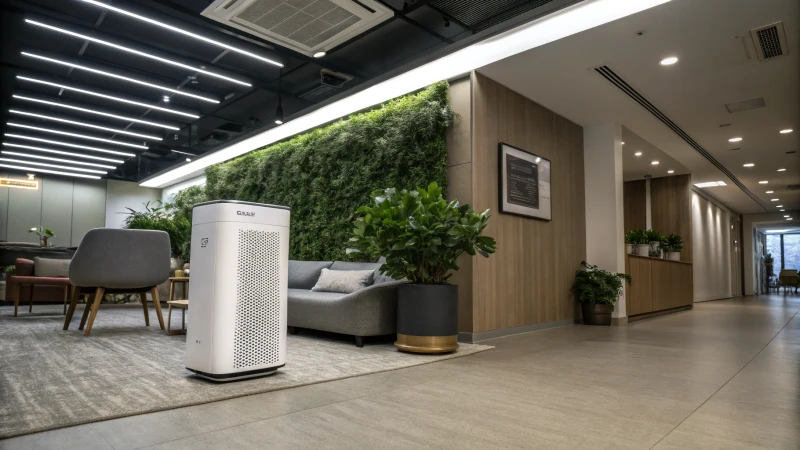
空気清浄機を備えたモダンなオフィスと居心地の良いリビングルーム

天井型空気清浄機とポータブル空気清浄機の主な違いは?

天井型空気清浄機と携帯型空気清浄機のどちらを選ぶかは、その主な違いを理解する必要がある。天井設置型は、病院やスポーツジムなどの大規模な環境での使用に適しており、天井にシームレスに統合されます。
ニュース
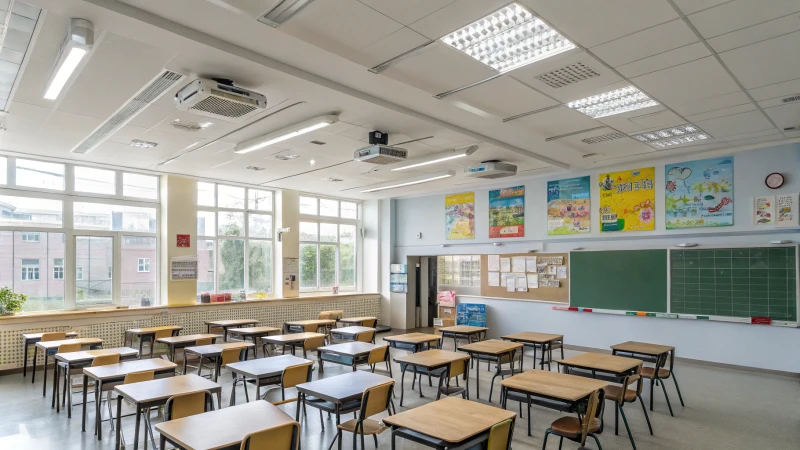
空気清浄機と教育ポスターのある広々としたモダンな教室。

なぜ天井空気清浄機は学校や教室に最適なのか?

天井埋め込み型空気清浄機は、床面積を占有することなく室内の空気環境を改善するため、学校に最適です。既存のHVACシステムとの統合により、換気効率が向上します。
ニュース
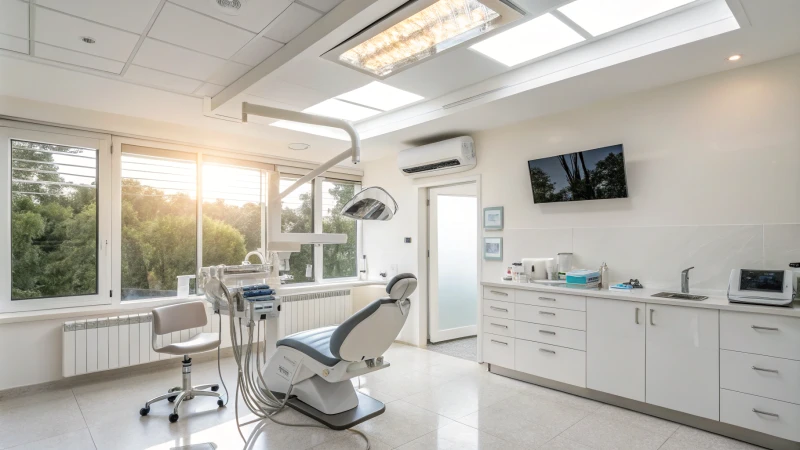
高度な設備と空気清浄機を備えた近代的な歯科医院

なぜ天井空気清浄機は歯科医院に最適なのか?

天井用空気清浄機は、空気の質の向上、騒音レベルの低減、スペースの効率的な利用など、多くのメリットを提供する歯科医院には欠かせないものです。これらの ...
ニュース

天井に空気清浄機を設置した明るいモダンなオフィス・インテリア

世界の天井用空気清浄機メーカートップ5は?

この記事では、世界の主要な天井用空気清浄機メーカーを紹介する:Surgically Clean Air、HisoAir、Fellowes、HealthyAir、Tracs。各ブランドは、以下のような先進技術に優れている。
ニュース
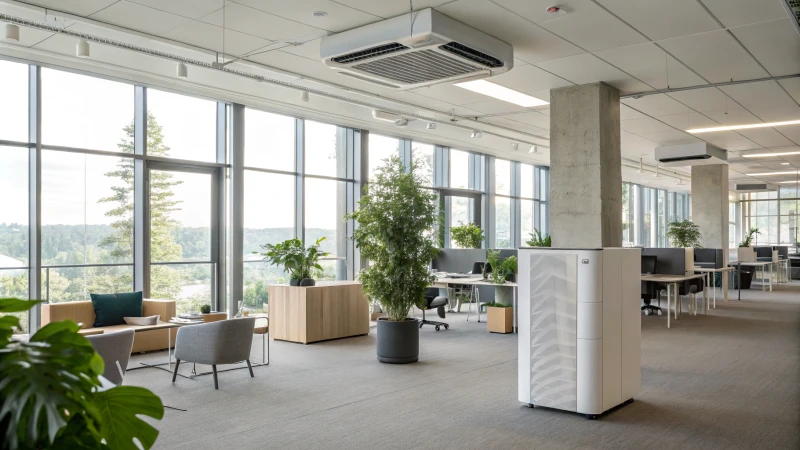
大きな窓と空気清浄機を備えた近代的な商業オフィス

天井用空気清浄機は広い業務スペースでどの程度有効か?

天井用空気清浄機は、大規模な商業スペースで高い効果を発揮し、室内の空気の質を大幅に改善します。天井用空気清浄機には、高い清浄空気供給率、高い空気浄化能力、高い空気浄化能力、高い空気浄化能力、高い空気浄化能力、高い空気浄化能力といった特徴が求められます。
ニュース

会議室に集まった多様な経営者たち

中国からの輸入品に対する関税引き上げの影響を軽減するための効果的な戦略とは?

中国からの輸入品に対する関税が上昇する中、企業はサプライチェーンを多様化することで対応しなければならない。その戦略には、ベトナムやメキシコのような国で製造する選択肢を模索することや、中国からの輸入品に対応することが含まれる。
ニュース
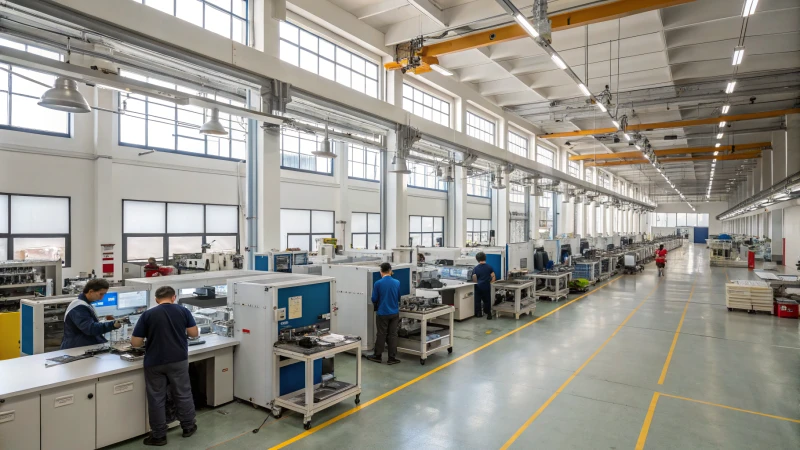
近代的な工場でハイテク製品を組み立てる多様な労働者たち

中国から米国への生産移管の主なステップと課題とは?

中国から米国への生産移転は、多くの課題と機会をもたらす。重要なステップには、新たなサプライチェーンの確立、知的財産の保護、そして、米国内の生産拠点との協力が含まれる。
ニュース
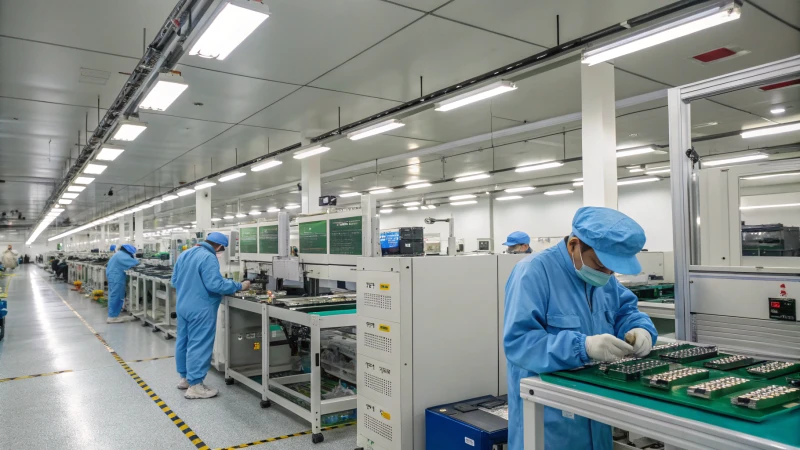
清潔で近代的な施設で空気清浄機を組み立てる作業員たち

米国における空気清浄機製造のベストプラクティスとは?

米国で空気清浄機を製造するには、必要不可欠な部品の輸入、HisoAirのような経験豊富なパートナーとの協力、革新的な技術の活用といった戦略的実践が必要です。この ...
ニュース
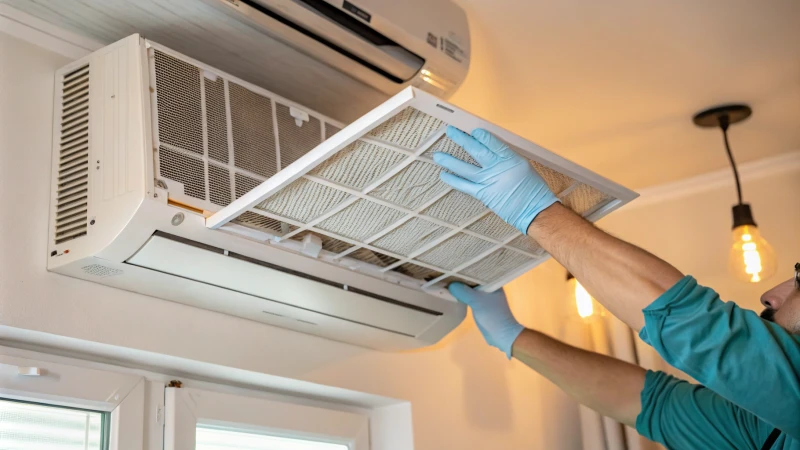
HVACシステムのエアフィルターを交換する人

HVACシステムのエアフィルターを交換する手順とは?

HVACシステムのエアフィルターを交換することは、室内の空気の質を清潔に保ち、効率的な運転を確保するために非常に重要です。このガイドでは、エアフィルターを交換する簡単な手順を説明します。
ニュース
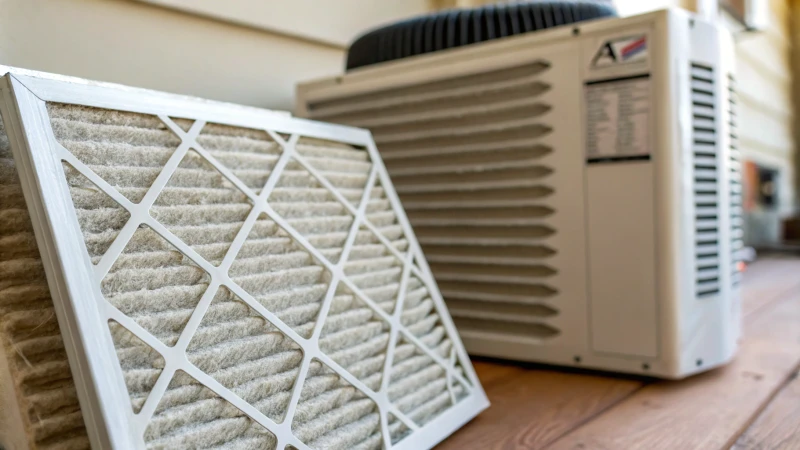
エアコン横のHEPAフィルターのクローズアップ

HEPAフィルターはエアコンに効果的に使用できるか?

HEPAフィルターは、99.97%の粒子を捕獲する能力で知られているが、気流抵抗が大きいため、標準的なエアコンには適さない。
ニュース
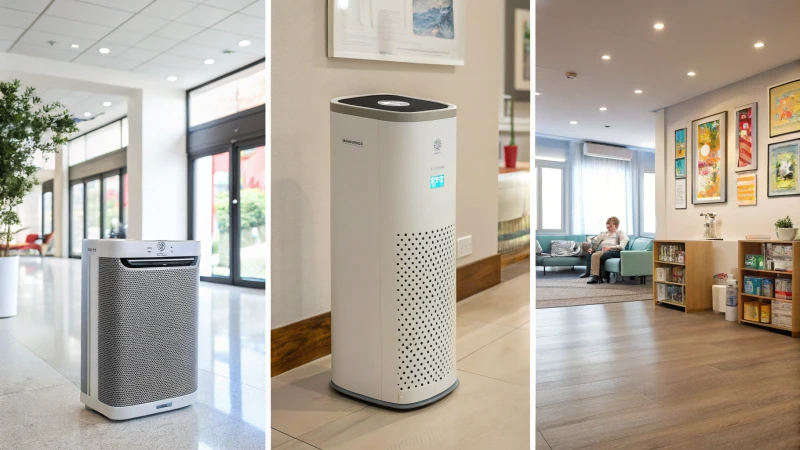
ホテルのロビー、病室、学校の教室など、さまざまな環境で使用できる3台の空気清浄機。

ホテル、病院、学校向けに空気清浄機をカスタマイズするには?

空気清浄機は、騒音レベル、空気交換率、ろ過システムなどの機能をカスタマイズすることで、ホテル、病院、学校向けに調整することができる。ホテルでは静かな空気清浄機が求められます。
ニュース
Contaminant Engineering•3 min read

PFAS Water Filtration Technologies Explained: Carbon, Resin & RO

Key Takeaway:

PFAS reduction depends on the specific compounds present, treatment media, contact time, water chemistry, and system design. Activated carbon, ion exchange, and Reverse Osmosis address PFAS through different mechanisms.

PFAS are a large family of persistent fluorinated compounds that can occur in drinking-water supplies. Their treatment behavior varies significantly by molecular structure, chain length, functional group, concentration, and the chemistry of the source water.

Granular Activated Carbon (GAC) removes PFAS primarily through adsorption. It is generally more effective for many longer-chain PFAS, while shorter-chain compounds tend to break through more quickly. Carbon performance depends on media properties, Empty Bed Contact Time (EBCT), competing organic matter, loading, and replacement frequency.

Ion-exchange resins use charged functional sites to capture many PFAS compounds. Properly selected anion-exchange media can provide high capacity and may perform better than conventional activated carbon for some shorter-chain PFAS, although performance still depends on water chemistry and competing ions.

Reverse Osmosis (RO) uses membrane separation rather than adsorption. Properly designed RO systems can provide broad reduction across many PFAS compounds as well as dissolved salts and other contaminants. Unlike carbon or resin, however, RO also produces a concentrate stream that must be managed.

No single technology should be selected from a PFAS label alone. System design should consider which PFAS compounds are present, their concentrations, required reduction targets, flow rate, media life, and the applicable third-party certification or validation requirements.

HisoAir Water Technical Series
Product Discovery•3 min read

How to Choose an Under-Sink Water Purifier for Modern Kitchens

Key Takeaway:

Match the treatment technology to your water quality first, then evaluate cabinet space, faucet configuration, flow rate, drain and power requirements, and filter replacement needs.

Choosing an under-sink water purifier starts with water chemistry. Carbon filtration is well suited to chlorine, taste, odor, and many organic contaminants, while Reverse Osmosis is more appropriate when dissolved salts, fluoride, nitrates, or broader dissolved contaminants need to be reduced.

For compact kitchens, tankless RO systems eliminate the conventional storage tank and can significantly reduce the space required under the sink. However, membrane capacity stated in GPD does not directly equal faucet flow. When comparing systems, check the actual dispensing flow rate, inlet-pressure requirement, recovery ratio, and whether a booster pump is required.

Installation architecture also matters. Many RO systems require a drain connection, electrical power, and either a dedicated drinking-water faucet or a compatible multi-function faucet. High-flow carbon systems can often connect directly to the existing cold-water line with a simpler installation, but pressure drop and available faucet flow should still be verified.

RO also removes much of the naturally occurring dissolved mineral content. Where taste or mineral balance is a priority, a post-RO remineralization stage can be added. Filter life should be evaluated by both rated capacity and local water quality rather than replacement time alone.

The right system is therefore not simply the smallest or highest-GPD model. It is the configuration that matches the target contaminants, available cabinet space, desired faucet setup, peak dispensing demand, and maintenance expectations.

HisoAir Water Technical Series
Water Quality•2 min read

What Does TDS Mean in Drinking Water? Measurement vs Contaminant Reality

Key Takeaway:

A TDS meter estimates the overall concentration of dissolved ionic substances from electrical conductivity. It cannot identify specific contaminants or determine whether water is chemically safe.

Total Dissolved Solids (TDS) refers to the combined concentration of dissolved substances in water. Most handheld TDS meters do not measure TDS directly. Instead, they measure electrical conductivity (EC) and convert that reading into an estimated parts-per-million (ppm) value.

This means a TDS reading can indicate how much dissolved ionic material is present, but not what that material actually is. Calcium, magnesium, sodium, nitrates, and other dissolved ions can all contribute to conductivity, yet a simple TDS meter cannot distinguish between them.

TDS meters are also not suitable for detecting trace contaminants such as PFAS, many VOCs, pesticides, pharmaceuticals, or disinfection byproducts. These substances may be present at concentrations far below the level needed to noticeably change electrical conductivity.

A low TDS reading therefore does not guarantee safe drinking water, and a higher TDS reading does not automatically indicate contamination. Water-treatment decisions should be based on laboratory testing for specific contaminants of concern rather than TDS alone.

HisoAir Water Technical Series
Technology Selection•2 min read

RO vs UF Water Filtration: Understanding Pore Sizes & Dissolved Minerals

Key Takeaway:

Ultrafiltration can reduce bacteria, turbidity, and suspended particles while retaining most naturally occurring dissolved minerals. Reverse Osmosis provides much broader reduction of dissolved salts and smaller contaminants.

Ultrafiltration (UF) typically uses hollow-fiber membranes with pore sizes in the approximate 0.01–0.1 micron range. These membranes physically retain turbidity, suspended solids, colloids, and many microorganisms while allowing dissolved minerals and salts to remain in the water.

Reverse Osmosis (RO) operates at a much finer separation level. Unlike UF, RO can substantially reduce dissolved ions such as sodium, calcium, fluoride, nitrates, and other contributors to total dissolved solids (TDS). This makes RO more suitable when dissolved-salt reduction is a primary treatment objective.

UF generally requires less system pressure and produces little or no continuous concentrate stream in many point-of-use configurations. RO typically requires greater pressure and produces a reject-water stream, but delivers broader contaminant reduction.

For water with acceptable TDS and mineral content, UF can be a simpler mineral-retaining treatment option. Where dissolved salts, fluoride, nitrates, or broader dissolved contaminants are a concern, RO is generally the more appropriate technology.

HisoAir Water Technical Series
Technology Selection•4 min read

Carbon Block vs Reverse Osmosis: Which Fits Your Need?

Key Takeaway:

Choose RO for dissolved inorganic salts and heavy metals; choose Carbon Block for chemical taste/odor, no wastewater, and high line-pressure flow.

Reverse Osmosis (RO) and Carbon Block filtration represent two fundamentally different treatment methods: membrane separation and adsorption. Understanding these differences helps determine which technology is better suited to a specific water-quality requirement.

Reverse Osmosis uses a semi-permeable membrane with pore sizes of approximately 0.0001 microns. It can significantly reduce dissolved inorganic contaminants such as TDS, fluoride, nitrates, and certain heavy metals. Because water must be forced through the membrane, RO systems require sufficient pressure or a booster pump and generate a concentrated wastewater stream.

Carbon Block filtration relies primarily on adsorption through compressed activated carbon, commonly with nominal pore sizes around 0.5–5 microns. It is highly effective for chlorine, chloramines, VOCs, taste, and odor, while allowing substantially higher direct-flow rates without producing wastewater.

From an operating perspective, Carbon Block systems are generally simpler, require less energy, and avoid the water loss associated with RO. RO involves higher system complexity and operating cost, but provides substantially broader reduction of dissolved contaminants that Carbon Block alone cannot address.

HisoAir Water Technical Series