新しいタブで開きます
革新的な空気品質ソリューション

ヒマラヤ岩塩ランプは本当に空気をきれいにするのか?

Related Products

ヒマラヤ岩塩ランプは屋内の空気を浄化しない - 空気清浄機 する。この記事では、空気を浄化するという塩ランプのマーケティング・スキームを信用してはいけない理由について詳しく説明する。

クレーム? メーカーによっては、ヒマラヤ岩塩ランプは単に光を灯すだけではないと主張している。 寝室のキャビネットのデザイン.また、空気清浄機として、私たちが呼吸する空気の質を改善することができると主張されている。さらに、喘息やアレルギーを軽減し、睡眠を改善することができるとも主張している。

例えば、このヒマラヤ岩塩ランプの商品説明をご覧ください:

ヒマラヤ岩塩ランプの虚偽広告
ヒマラヤ岩塩ランプの虚偽広告

これらの利点は印象的に聞こえるかもしれないが、これを裏付ける科学的証拠はあまりない。

しかし、どれが本当なのでしょうか?ソルトランプの本当の効果と神話を明らかにするので、読んでみてください。

ヒマラヤ岩塩ランプとは?
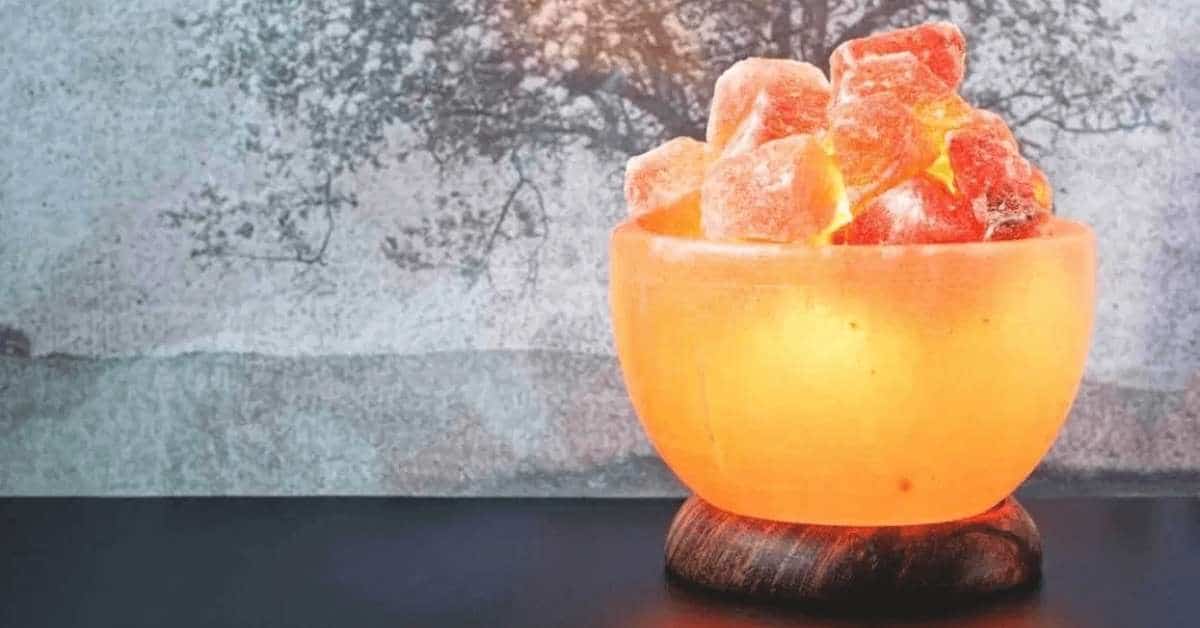
テーブルの上の塩ランプ
テーブルの上の塩ランプ

ヒマラヤ岩塩ランプは、琥珀色の岩塩から採れるクリスタルランプです。ランプとして市販されているこの天然琥珀ランプは、その形から癒しの雰囲気を醸し出している。使い方は、その空洞に電球を置くと、赤みがかったムード満点のピンク色の光を放つ。

それは完全に装飾品であるが、他の人々はそれが持っている多くの健康上の利点を信じて購入する。

その起源をたどる

ヒマラヤの塩ランプは、ネパール、パキスタン、ブータン、インドにまたがる約1,500マイルのヒマラヤ山脈という山脈から生まれた。

ヒマラヤ山脈
ヒマラヤ山脈

本物のヒマラヤ岩塩ランプの原産地はパキスタンのケフラ岩塩鉱山である。採掘者たちは、この赤、白、ピンク色の岩塩を収穫する。

この地域の塩は非常に古くから存在していたと考えられている。 食卓塩で区別する .唯一の違いは、ピンク色を放つミネラルが含まれていることだ。

ネットで売られているソルトランプの中には、より丈夫で赤みがかった明るい光を放つ偽物もある。本物は壊れやすく、薄暗い光を放つ。

ヒマラヤ岩塩ランプは体に良いのか?

ヒマラヤの塩ランプは、それ自体は悪いものではありません。しかし、正しい使い方をしなければ脅威となる可能性がある。 

塩ランプは危険ですか?

ソルトランプは単なる装飾的な照明であり、悪影響はありません。ですから、ソルトランプがもたらす暖かさと落ち着きがお好きなら、ご自由にお使いください。ただし、ランプが倒れないように、人通りの少ない安全な場所に置いてください。また、火災事故を防ぐために、一般的な火災安全のコツを実践してください。 

塩ランプは有毒ですか?

通常、ソルトランプに毒性はありませんが、ペットや子供、特に好奇心旺盛な子供にとっては毒になる可能性があります。ソルトランプは、ペットが近づいて口にするまでは害はありません。ペットの中でも猫は最も好奇心が旺盛で、塩を摂りすぎると、次のようなことが起こります。 塩毒性.これを防ぐには、ソルトランプをペットの手の届かないところに保管してください。 

塩ランプはデマか?効果はあるのか?

ピンク色、雰囲気、癒しの環境など、ソルトランプの美的特徴を否定することはできない。しかし、健康効果や空気浄化能力について考えるならば、これらの特徴は科学的に証明されておらず、真実ではないと考えられる。 

そうでないのに、ソルトランプはマイナスイオンを発生させて大気を浄化すると主張する人さえいる。光と癒しの環境を提供することを除けば、ソルトランプは普通の食卓塩と大差ない。

では、塩ランプはどのようにして空気を清浄化するのだろうか?

ヒマラヤ岩塩ランプの利点は、空気の清浄度を高め、より健康的に吸入できることだと言われている。しかし、照明器具にそんなことができるのだろうか?

ソルトランプはマイナスイオンを発生させる、とメーカーは主張している。ホラー映画を見れば、シャーマンが塩水を使って悪霊を閉じ込めると言われているのがわかるだろう。

塩は空気中の水分や湿気を吸収し、その際に表面から蒸発してマイナスイオンを放出する。

これは イオナイザー空気清浄機の仕組み - マイナスイオンを放出して引き寄せる ほこり花粉、 ペットのダニ と粒子を空気中から除去し、人間から遠ざける。

ソルトランプから放出されるマイナスイオンが空気の粒子に付着し、空気中に浮遊できないほど重くなると主張している。

しかし、ソルトランプは呼吸を改善する効果があるのだろうか?

ヒマラヤ岩塩ランプは本当に空気をきれいにするのか?

ヒマラヤ岩塩ランプが塩からマイナスイオンを放出して空気を浄化するという主張を裏付ける科学的根拠はない。

実際、次のように語っている。 スノープス・ドットコム ヒマラヤ岩塩ランプがマイナスイオンを発するという証拠や根拠は全くありません。

塩は面心立方構造をしており、科学的にはイオンの発生は期待できない。塩がマイナスイオンを発生させるには、2000F以上の高温にさらされなければならない。塩がイオンを発生させるためには、15~45ワットの電球でそれだけの熱を発生させることはできない。

ヒマラヤ岩塩ランプには空気をきれいにするメカニズムがないため、人々の呼吸を改善することはできない。

しかし、もし万が一、塩がマイナスイオンを発生するように分子構造を変化させる方法が見つかったとしたら、そこには欠点がある。

塩が空気中にマイナスイオンを放出すると、酸素元素が別の方法で結合してオゾンを発生させる可能性があるのだ。

オゾンは有害なガス分子である。FDAは、オゾンは一般的に安全であるとしているが 0.05ppmまで しかしこのレベルでは、汚染物質や悪臭を除去するにはまだ不十分である。

塩ランプは犬に悪い?

塩ランプは犬に悪いか
塩ランプは犬に悪いか

人々は落ち着いたムードを演出するために塩ランプを使うが、ペットが塩ランプを舐めて良いものだと認識しているわけではない。獣医によれば、ペットが塩を食べ過ぎるのは良くないという。

ペットの犬や猫に塩ランプを舐めさせすぎると、怪我をさせたり殺したりする可能性がある。

ヒマラヤ岩塩ランプはウイルスを殺すのか?

によると ウェブ管理 マイナス/プラスイオンが細菌を殺すという研究もある。しかし今日に至るまで、どのようにして殺菌が行われるのかは明らかになっていない。前述したように、塩がマイナスイオンを放出するという証拠もない。さらに言えば、ヒマラヤ岩塩ランプがウイルスを殺すという証拠もない。

ヒマラヤ岩塩ランプの健康効果

ヒマラヤ岩塩ランプの健康効果
ヒマラヤ岩塩ランプの健康効果

ヒマラヤ岩塩ランプが本当に空気の質を改善するものでないことははっきりした。

うつ病と不安

高濃度のマイナスイオンがうつ病のレベルを少し下げるという研究結果もある。しかし、マイナスイオンの効果はあまりない。 不安 あるいは眠る。

マウスに高濃度のマイナスイオンを浴びせた研究では、セロトニンレベルが大幅に改善した。セロトニンは気分や感情を安定させる重要なホルモンである。

喘息とアレルギー

ソルトランプが喘息やアレルギーを抑えるという広告もある。A 2013年レビュー 1957年から2012年にかけて行われた他の33の研究の結果、マイナスイオンやプラスイオンへの暴露は、喘息やアレルギーなどの呼吸機能に重要な役割を果たすと主張されている。

しかし、たとえマイナスイオンが人々の健康と幸福を向上させるとしても、ソルトランプがマイナスイオンを放出するという根拠はあまりない。

ヒマラヤ岩塩ランプの副作用 

ヒマラヤ岩塩ランプは、その美容効果でますます人気が高まっている。しかし、副作用がないわけではありません。以下にデメリットをいくつか挙げてみよう。

潜在的な火災の危険性

ヒマラヤ岩塩ランプは電気機器であるため、他の電気機器と同様に火災の危険性があります。その危険性は、製品の誤った使用や間違った配線によるものです。ヒマラヤ岩塩ランプを購入された方、または購入したい方は、調光スイッチに注意して下さい。これらのスイッチに欠陥がないか、過熱する可能性がないか確認してください。

子供にとって危険

ソルトランプは重量があるため、不用意に置くと落下して子供が怪我をする恐れがあります。ですから、ヒマラヤのソルトランプをお持ちの方は、お子様の手の届かないところに保管してください。ただし、高い棚の上に置くのは避け、万が一落下しても最小限の被害で済むようにしましょう。あるいは、安定した、しっかりした、安全な場所に保管してください。

ペットにとって危険

ペットは塩ランプに惹かれ、よく塩を舐める。過剰に摂取すると塩中毒を起こし、ペットが嘔吐したり、眠くなったり、発作を起こしたりすることがあります。そのため、ソルト・ランプはペット、特に猫が近づけないよう、厳重に保管してください。猫は棚を登ってソルト・ランプに近づくことができます。

ヒマラヤ岩塩ランプに関する警告

これからヒマラヤのソルトランプを購入される方も、すでにソルトランプをお持ちの方も、危険な目に遭わないように注意してください。ここでは、ソルトランプを安全に使うためのヒントをいくつかご紹介します。

  • 安全な製品だけを購入する。 先に述べたように、ソルトランプは配線に欠陥があったり、過熱しやすかったりすると、火災の危険性があります。これを防ぐには、UL(Underwriters Laboratories)の安全シールが貼られた安全な製品だけを購入すること。このステッカーは、製品の配線が安全であることを証明するものです。 
  • 子供やペットに近づけないこと。 ソルトランプを子供やペットの手の届くところに置くことの影響は、先に述べたとおりです。ですから、怪我や塩分中毒を防ぐために、ソルトランプは安全な場所に保管し、簡単に手の届かないようにしてください。 
  • 推奨される安全上のヒントを使用してください。 そのコツとは、本物のソルトランプを購入し、メーカーの使用ガイドに従うこと。また、ソルトランプを一日中点けている場合は、他の電気機器と同じように、外出時には必ず電源を切ること。配線に欠陥がないか、発火の可能性がないかチェックしましょう。
  • 塩ランプはつけっぱなしにしておくのは危険です。 一日中ソルトランプの暖かさを楽しむ人もいれば、夜だけの輝きを好む人もいる。いずれも、自分や誰も家にいない時にソルトランプを点けっぱなしにした場合を除けば、危険はありません。ただし、家にいるときでも、ランプの状態がよく、使用に適していることを確認してください。

結論

空気清浄という点では、ヒマラヤ岩塩ランプが家の中の空気をきれいにするという科学的根拠はありません。たしかに、ヒマラヤ岩塩のピンクがかった色には癒される。しかし、それを除けば、ソルトランプから得られる唯一のもの、それは装飾的な機能です。

空気をきれいにし、ストレスレベルを下げ、うつ病のレベルを下げるマイナスイオンを放出しない。

ペットに危害を加えることなく、ホコリやウイルスから空気を清浄化する必要がある場合は、以下の製品をお選びください。 UVライト付きトゥルーHEPA空気清浄機 .真のHEPAフィルターは、99.97%の微小粒子を0.03ミクロンの大きさまで捕集します。同時に、UVライトを通過させます。 COVID-19でさえもウイルスを殺す。


シェアする
ヒソエア創設者のリー氏
Alwen Lee, an air purification expert with over 10 years of experience, is a devoted father of two and a passionate traveler, having explored more than 30 countries. With a love for public speaking and swimming, he has dedicated his life to the indoor air quality industry. His mission is to ensure that people around the world enjoy the freedom to breathe clean air and lead happy, healthy lives.

メッセージを送る

Related Products

もっと読む

Modern living room with a family enjoying a healthy indoor environment monitored by smart devices, natural lighting, and greenery.

After IFA 2026: The Healthy Home Is Moving Beyond Smart Devices

In our previous IFA 2026 column, Air Purification Is Becoming Part of the Healthy-Home Platform, we argued that the next generation of indoor-health products would ...
ニュース
Modern living room and kitchen with smart home air quality devices including an air purifier, humidifier, and water filtration system, connected with visualized blue connectivity lines.

IFA 2026: Air Purification Is Becoming Part of the Healthy-Home Platform

Pre-IFA Industry Perspective | September 4, 2026 This article is based on official announcements and regulatory information available ahead of IFA 2026, which takes place ...
ニュース
A modern office room with a gray wall-mounted air purifier, large wooden desk, office chairs, indoor plants, and glass windows offering a city view.

Luftreiniger gegen Staub: HEPA-Luftreinigung für Büro, Gewerbe und Industrie

Kurz gesagt: Ein Luftreiniger entfernt Staub aus der Luft – nicht vom Schreibtisch. Er reduziert die Konzentration schwebender Partikel und damit auch die Menge an ...
Air purifier, Filter
Comparison infographic showcasing the differences between carbon block filter and activated carbon fiber. Detailed diagrams illustrate the hierarchical porous structure of the carbon block with long diffusion paths and the open microporous structure of the activated carbon fiber with direct access for PFAS adsorption.

Carbon Block vs. Activated Carbon Fiber (ACF): Matching Media to Target Contaminants

Two carbon media. Same adsorption chemistry. Very different behaviour in a point-of-use cartridge. If you are specifying a water purifier platform for a PFAS-aware market, ...
ニュース
NSF base listing and ANF private-label certification pathway for OEM water filters

What Is an NSF Master Listing? A Guide to Base Listings, ANF Certification and OEM Water Filters

For a brand preparing to launch an OEM water purifier, one of the most common supplier claims is: “We already have an NSF master listing, ...
News, Water Purifiers
Healthy-home brand team reviewing PFAS water filter certification, test data and product engineering

Entering the Water Category Is Easy. Building a Credible PFAS Claim Is Much Harder

For air purification, appliance and healthy-home brands, entering the water category can look surprisingly easy. A company can select an existing undersink system, customize its ...
ニュース
Contaminant Engineering•3 min read

PFAS Water Filtration Technologies Explained: Carbon, Resin & RO

Key Takeaway:

PFAS reduction depends on the specific compounds present, treatment media, contact time, water chemistry, and system design. Activated carbon, ion exchange, and Reverse Osmosis address PFAS through different mechanisms.

PFAS are a large family of persistent fluorinated compounds that can occur in drinking-water supplies. Their treatment behavior varies significantly by molecular structure, chain length, functional group, concentration, and the chemistry of the source water.

Granular Activated Carbon (GAC) removes PFAS primarily through adsorption. It is generally more effective for many longer-chain PFAS, while shorter-chain compounds tend to break through more quickly. Carbon performance depends on media properties, Empty Bed Contact Time (EBCT), competing organic matter, loading, and replacement frequency.

Ion-exchange resins use charged functional sites to capture many PFAS compounds. Properly selected anion-exchange media can provide high capacity and may perform better than conventional activated carbon for some shorter-chain PFAS, although performance still depends on water chemistry and competing ions.

Reverse Osmosis (RO) uses membrane separation rather than adsorption. Properly designed RO systems can provide broad reduction across many PFAS compounds as well as dissolved salts and other contaminants. Unlike carbon or resin, however, RO also produces a concentrate stream that must be managed.

No single technology should be selected from a PFAS label alone. System design should consider which PFAS compounds are present, their concentrations, required reduction targets, flow rate, media life, and the applicable third-party certification or validation requirements.

HisoAir Water Technical Series
Product Discovery•3 min read

How to Choose an Under-Sink Water Purifier for Modern Kitchens

Key Takeaway:

Match the treatment technology to your water quality first, then evaluate cabinet space, faucet configuration, flow rate, drain and power requirements, and filter replacement needs.

Choosing an under-sink water purifier starts with water chemistry. Carbon filtration is well suited to chlorine, taste, odor, and many organic contaminants, while Reverse Osmosis is more appropriate when dissolved salts, fluoride, nitrates, or broader dissolved contaminants need to be reduced.

For compact kitchens, tankless RO systems eliminate the conventional storage tank and can significantly reduce the space required under the sink. However, membrane capacity stated in GPD does not directly equal faucet flow. When comparing systems, check the actual dispensing flow rate, inlet-pressure requirement, recovery ratio, and whether a booster pump is required.

Installation architecture also matters. Many RO systems require a drain connection, electrical power, and either a dedicated drinking-water faucet or a compatible multi-function faucet. High-flow carbon systems can often connect directly to the existing cold-water line with a simpler installation, but pressure drop and available faucet flow should still be verified.

RO also removes much of the naturally occurring dissolved mineral content. Where taste or mineral balance is a priority, a post-RO remineralization stage can be added. Filter life should be evaluated by both rated capacity and local water quality rather than replacement time alone.

The right system is therefore not simply the smallest or highest-GPD model. It is the configuration that matches the target contaminants, available cabinet space, desired faucet setup, peak dispensing demand, and maintenance expectations.

HisoAir Water Technical Series
Water Quality•2 min read

What Does TDS Mean in Drinking Water? Measurement vs Contaminant Reality

Key Takeaway:

A TDS meter estimates the overall concentration of dissolved ionic substances from electrical conductivity. It cannot identify specific contaminants or determine whether water is chemically safe.

Total Dissolved Solids (TDS) refers to the combined concentration of dissolved substances in water. Most handheld TDS meters do not measure TDS directly. Instead, they measure electrical conductivity (EC) and convert that reading into an estimated parts-per-million (ppm) value.

This means a TDS reading can indicate how much dissolved ionic material is present, but not what that material actually is. Calcium, magnesium, sodium, nitrates, and other dissolved ions can all contribute to conductivity, yet a simple TDS meter cannot distinguish between them.

TDS meters are also not suitable for detecting trace contaminants such as PFAS, many VOCs, pesticides, pharmaceuticals, or disinfection byproducts. These substances may be present at concentrations far below the level needed to noticeably change electrical conductivity.

A low TDS reading therefore does not guarantee safe drinking water, and a higher TDS reading does not automatically indicate contamination. Water-treatment decisions should be based on laboratory testing for specific contaminants of concern rather than TDS alone.

HisoAir Water Technical Series
Technology Selection•2 min read

RO vs UF Water Filtration: Understanding Pore Sizes & Dissolved Minerals

Key Takeaway:

Ultrafiltration can reduce bacteria, turbidity, and suspended particles while retaining most naturally occurring dissolved minerals. Reverse Osmosis provides much broader reduction of dissolved salts and smaller contaminants.

Ultrafiltration (UF) typically uses hollow-fiber membranes with pore sizes in the approximate 0.01–0.1 micron range. These membranes physically retain turbidity, suspended solids, colloids, and many microorganisms while allowing dissolved minerals and salts to remain in the water.

Reverse Osmosis (RO) operates at a much finer separation level. Unlike UF, RO can substantially reduce dissolved ions such as sodium, calcium, fluoride, nitrates, and other contributors to total dissolved solids (TDS). This makes RO more suitable when dissolved-salt reduction is a primary treatment objective.

UF generally requires less system pressure and produces little or no continuous concentrate stream in many point-of-use configurations. RO typically requires greater pressure and produces a reject-water stream, but delivers broader contaminant reduction.

For water with acceptable TDS and mineral content, UF can be a simpler mineral-retaining treatment option. Where dissolved salts, fluoride, nitrates, or broader dissolved contaminants are a concern, RO is generally the more appropriate technology.

HisoAir Water Technical Series
Technology Selection•4 min read

Carbon Block vs Reverse Osmosis: Which Fits Your Need?

Key Takeaway:

Choose RO for dissolved inorganic salts and heavy metals; choose Carbon Block for chemical taste/odor, no wastewater, and high line-pressure flow.

Reverse Osmosis (RO) and Carbon Block filtration represent two fundamentally different treatment methods: membrane separation and adsorption. Understanding these differences helps determine which technology is better suited to a specific water-quality requirement.

Reverse Osmosis uses a semi-permeable membrane with pore sizes of approximately 0.0001 microns. It can significantly reduce dissolved inorganic contaminants such as TDS, fluoride, nitrates, and certain heavy metals. Because water must be forced through the membrane, RO systems require sufficient pressure or a booster pump and generate a concentrated wastewater stream.

Carbon Block filtration relies primarily on adsorption through compressed activated carbon, commonly with nominal pore sizes around 0.5–5 microns. It is highly effective for chlorine, chloramines, VOCs, taste, and odor, while allowing substantially higher direct-flow rates without producing wastewater.

From an operating perspective, Carbon Block systems are generally simpler, require less energy, and avoid the water loss associated with RO. RO involves higher system complexity and operating cost, but provides substantially broader reduction of dissolved contaminants that Carbon Block alone cannot address.

HisoAir Water Technical Series

見積依頼