

新しいタブで開きます
革新的な空気品質ソリューション

業界インサイト

最新の投稿

車の煙の臭いを消す方法:5つの作業方法

車の煙の臭いを消す方法:5つの作業方法

It is not easy to remove the pungent smoke smell in your car. It is clingy and requires rigid removal strategies. Fortunately, we got you ...
ニュース

ラドンを除去する方法 最も効果的な5つの方法

ラドンを除去する方法:あなたが試すべき5つの最も効果的な方法

Radon is a natural gas. However, the danger comes once it enters your home and begins to grow and increase. Learn how to remove and ...
ニュース
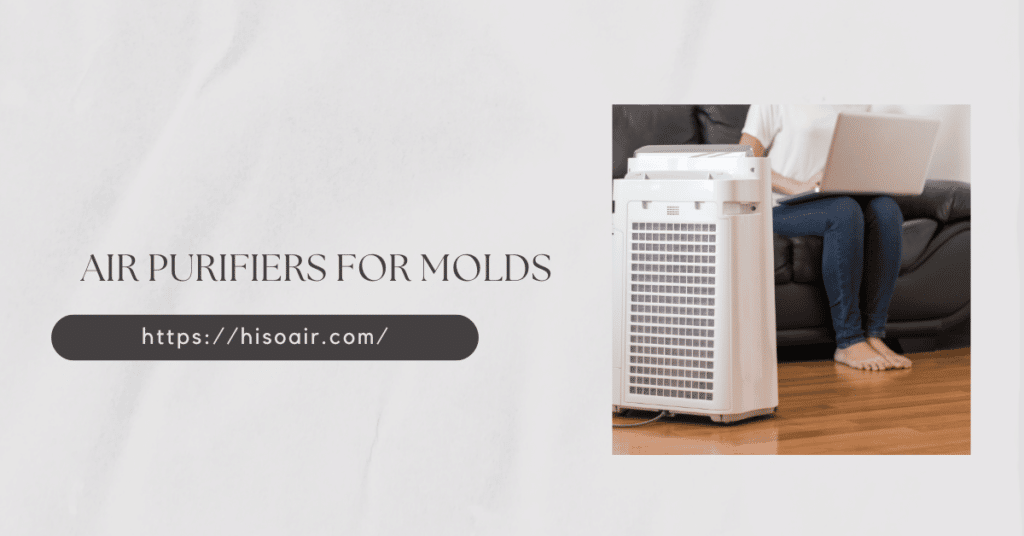
カビ用空気清浄機

カビ用空気清浄機

HisoAir is a professional air purifier manufacturer with more than ten years of experience. The company focuses on air disinfection machines and air purifier OEM/ODM ...
ニュース

雑草の臭いを消す:5つの効果的な方法

雑草の臭いを消す:5つの効果的な方法

When it comes to removing weed smell, ordinary methods may not work effectively. You should do special odor-removal techniques to ensure that the lingering scent ...
ニュース
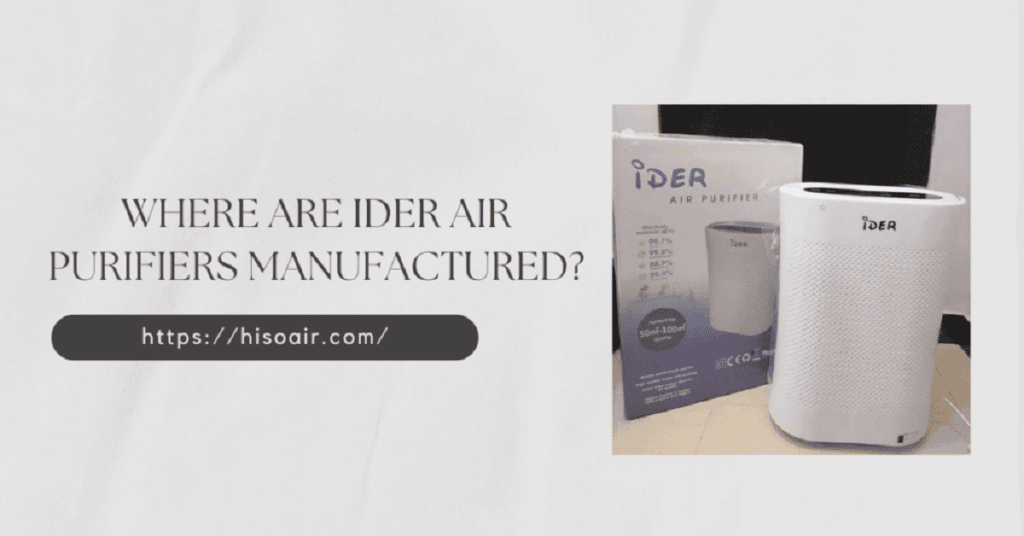
iDer空気清浄機はどこで製造されているか

iDer空気清浄機はどこで製造されているか

iDerブランドの空気清浄機について聞いたことがない人がほとんどだろう。しかし、この空気清浄機を使用した人たちは、iDerの空気清浄機を使用したことがないと言っている。
空気清浄機メーカー, ニュース

ハネウェルのロゴ

ハネウェル空気清浄機はどこで製造されていますか?

ハネウェルは今日、空気清浄機で最も注目されているブランドのひとつである。HEPA空気清浄機のスタンダードを確立しており、実際、HisoAir空気清浄機でさえ、HEPA空気清浄機のスタンダードとなっている。
空気清浄機メーカー, ニュース
トップ 3 中国オゾン発生器空気清浄機メーカー

トップ 3 中国オゾン発生器空気清浄機メーカー

オゾン発生器は、ろ過システムを使用する従来の空気清浄機に代わるものと考えられている。これらの装置はオゾンを発生させ、そのオゾンが空気中の有害物質を中和する。
空気清浄機メーカー, ニュース
AHAM認定空気清浄機のトップ4メーカー

AHAM認定空気清浄機のトップメーカーの現在

空気清浄機に関しては、第三者機関による認証は必須である。これらの評価や証明によって、消費者は特定の空気清浄機が優れた性能を持っていることを知ることができる。
空気清浄機メーカー, ニュース
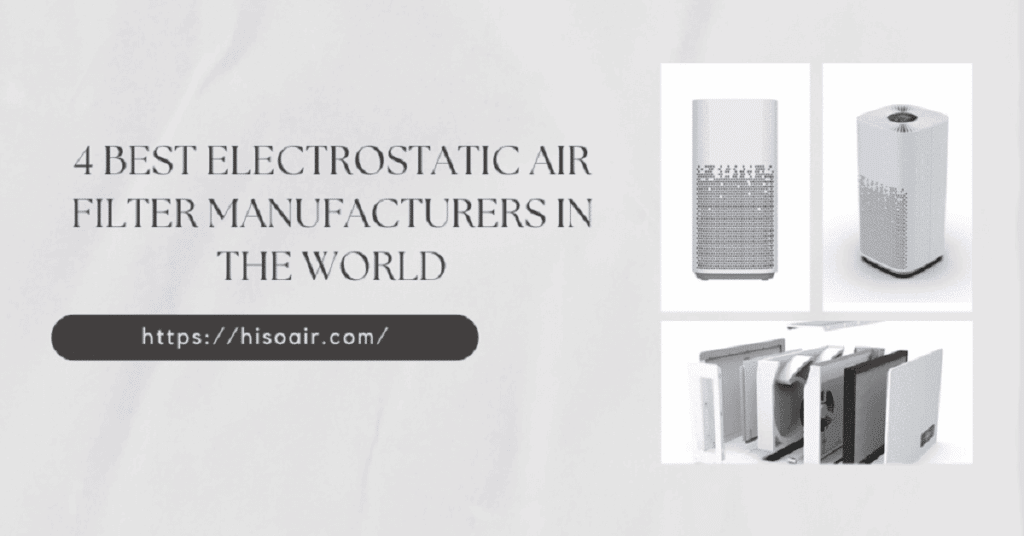
世界最高の静電エアフィルターメーカー

世界最高の静電エアフィルターメーカー

静電エアフィルターを購入するために静電エアフィルターメーカーをお探しですか?このフィルターについてもっと知り、今日どのメーカーがこのフィルターの製造に優れているかを見てください。
空気清浄機メーカー, ニュース
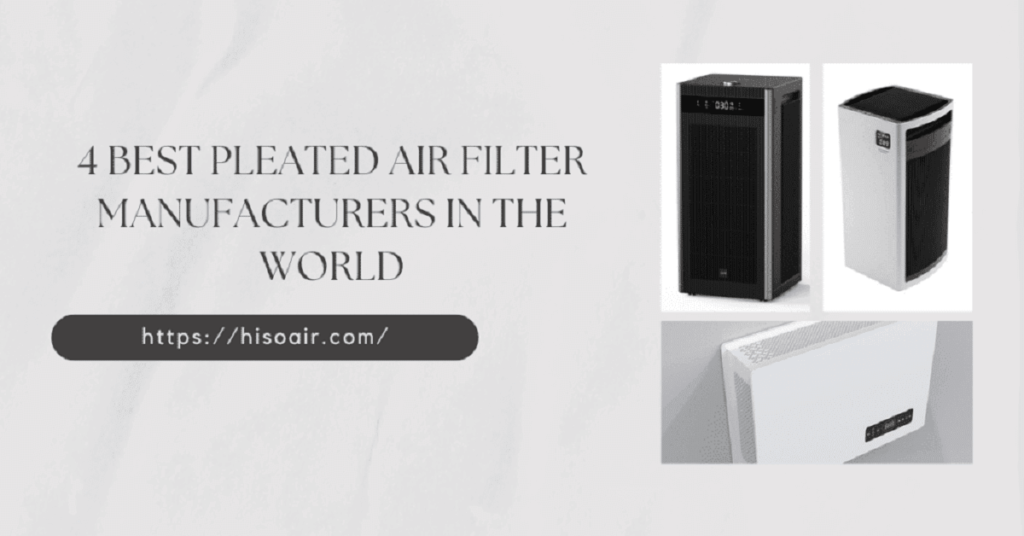
4 世界で最も優れたプリーツ・エア・フィルター・メーカー

4 世界で最も優れたプリーツ・エア・フィルター・メーカー

プリーツエアフィルターは、標準的なメカニカルフィルターよりも優れています。従って、空気清浄機の交換用プレフィルターをお探しなら、プリーツ・エア・フィルターをお勧めします。
空気清浄機メーカー, ニュース
ポータブル空気清浄機メーカー トップ6

ポータブル空気清浄機メーカー トップ6

ポータブル空気清浄機市場は、2019年には8.27米ドル以上という巨大な評価額となり、2019年にはさらに上昇すると予想されている。
空気清浄機メーカー, ニュース
5ベストミニ空気清浄機メーカー

5ベストミニ空気清浄機メーカー

空気清浄機は、人が呼吸する空気から有害な粒子やウイルスを除去するのに役立つ。ミニ空気清浄機も同じ技術を採用しています。私たちは ...
空気清浄機メーカー, ニュース
Contaminant Engineering•3 min read

PFAS Water Filtration Technologies Explained: Carbon, Resin & RO

Key Takeaway:

PFAS reduction depends on the specific compounds present, treatment media, contact time, water chemistry, and system design. Activated carbon, ion exchange, and Reverse Osmosis address PFAS through different mechanisms.

PFAS are a large family of persistent fluorinated compounds that can occur in drinking-water supplies. Their treatment behavior varies significantly by molecular structure, chain length, functional group, concentration, and the chemistry of the source water.

Granular Activated Carbon (GAC) removes PFAS primarily through adsorption. It is generally more effective for many longer-chain PFAS, while shorter-chain compounds tend to break through more quickly. Carbon performance depends on media properties, Empty Bed Contact Time (EBCT), competing organic matter, loading, and replacement frequency.

Ion-exchange resins use charged functional sites to capture many PFAS compounds. Properly selected anion-exchange media can provide high capacity and may perform better than conventional activated carbon for some shorter-chain PFAS, although performance still depends on water chemistry and competing ions.

Reverse Osmosis (RO) uses membrane separation rather than adsorption. Properly designed RO systems can provide broad reduction across many PFAS compounds as well as dissolved salts and other contaminants. Unlike carbon or resin, however, RO also produces a concentrate stream that must be managed.

No single technology should be selected from a PFAS label alone. System design should consider which PFAS compounds are present, their concentrations, required reduction targets, flow rate, media life, and the applicable third-party certification or validation requirements.

HisoAir Water Technical Series
Product Discovery•3 min read

How to Choose an Under-Sink Water Purifier for Modern Kitchens

Key Takeaway:

Match the treatment technology to your water quality first, then evaluate cabinet space, faucet configuration, flow rate, drain and power requirements, and filter replacement needs.

Choosing an under-sink water purifier starts with water chemistry. Carbon filtration is well suited to chlorine, taste, odor, and many organic contaminants, while Reverse Osmosis is more appropriate when dissolved salts, fluoride, nitrates, or broader dissolved contaminants need to be reduced.

For compact kitchens, tankless RO systems eliminate the conventional storage tank and can significantly reduce the space required under the sink. However, membrane capacity stated in GPD does not directly equal faucet flow. When comparing systems, check the actual dispensing flow rate, inlet-pressure requirement, recovery ratio, and whether a booster pump is required.

Installation architecture also matters. Many RO systems require a drain connection, electrical power, and either a dedicated drinking-water faucet or a compatible multi-function faucet. High-flow carbon systems can often connect directly to the existing cold-water line with a simpler installation, but pressure drop and available faucet flow should still be verified.

RO also removes much of the naturally occurring dissolved mineral content. Where taste or mineral balance is a priority, a post-RO remineralization stage can be added. Filter life should be evaluated by both rated capacity and local water quality rather than replacement time alone.

The right system is therefore not simply the smallest or highest-GPD model. It is the configuration that matches the target contaminants, available cabinet space, desired faucet setup, peak dispensing demand, and maintenance expectations.

HisoAir Water Technical Series
Water Quality•2 min read

What Does TDS Mean in Drinking Water? Measurement vs Contaminant Reality

Key Takeaway:

A TDS meter estimates the overall concentration of dissolved ionic substances from electrical conductivity. It cannot identify specific contaminants or determine whether water is chemically safe.

Total Dissolved Solids (TDS) refers to the combined concentration of dissolved substances in water. Most handheld TDS meters do not measure TDS directly. Instead, they measure electrical conductivity (EC) and convert that reading into an estimated parts-per-million (ppm) value.

This means a TDS reading can indicate how much dissolved ionic material is present, but not what that material actually is. Calcium, magnesium, sodium, nitrates, and other dissolved ions can all contribute to conductivity, yet a simple TDS meter cannot distinguish between them.

TDS meters are also not suitable for detecting trace contaminants such as PFAS, many VOCs, pesticides, pharmaceuticals, or disinfection byproducts. These substances may be present at concentrations far below the level needed to noticeably change electrical conductivity.

A low TDS reading therefore does not guarantee safe drinking water, and a higher TDS reading does not automatically indicate contamination. Water-treatment decisions should be based on laboratory testing for specific contaminants of concern rather than TDS alone.

HisoAir Water Technical Series
Technology Selection•2 min read

RO vs UF Water Filtration: Understanding Pore Sizes & Dissolved Minerals

Key Takeaway:

Ultrafiltration can reduce bacteria, turbidity, and suspended particles while retaining most naturally occurring dissolved minerals. Reverse Osmosis provides much broader reduction of dissolved salts and smaller contaminants.

Ultrafiltration (UF) typically uses hollow-fiber membranes with pore sizes in the approximate 0.01–0.1 micron range. These membranes physically retain turbidity, suspended solids, colloids, and many microorganisms while allowing dissolved minerals and salts to remain in the water.

Reverse Osmosis (RO) operates at a much finer separation level. Unlike UF, RO can substantially reduce dissolved ions such as sodium, calcium, fluoride, nitrates, and other contributors to total dissolved solids (TDS). This makes RO more suitable when dissolved-salt reduction is a primary treatment objective.

UF generally requires less system pressure and produces little or no continuous concentrate stream in many point-of-use configurations. RO typically requires greater pressure and produces a reject-water stream, but delivers broader contaminant reduction.

For water with acceptable TDS and mineral content, UF can be a simpler mineral-retaining treatment option. Where dissolved salts, fluoride, nitrates, or broader dissolved contaminants are a concern, RO is generally the more appropriate technology.

HisoAir Water Technical Series
Technology Selection•4 min read

Carbon Block vs Reverse Osmosis: Which Fits Your Need?

Key Takeaway:

Choose RO for dissolved inorganic salts and heavy metals; choose Carbon Block for chemical taste/odor, no wastewater, and high line-pressure flow.

Reverse Osmosis (RO) and Carbon Block filtration represent two fundamentally different treatment methods: membrane separation and adsorption. Understanding these differences helps determine which technology is better suited to a specific water-quality requirement.

Reverse Osmosis uses a semi-permeable membrane with pore sizes of approximately 0.0001 microns. It can significantly reduce dissolved inorganic contaminants such as TDS, fluoride, nitrates, and certain heavy metals. Because water must be forced through the membrane, RO systems require sufficient pressure or a booster pump and generate a concentrated wastewater stream.

Carbon Block filtration relies primarily on adsorption through compressed activated carbon, commonly with nominal pore sizes around 0.5–5 microns. It is highly effective for chlorine, chloramines, VOCs, taste, and odor, while allowing substantially higher direct-flow rates without producing wastewater.

From an operating perspective, Carbon Block systems are generally simpler, require less energy, and avoid the water loss associated with RO. RO involves higher system complexity and operating cost, but provides substantially broader reduction of dissolved contaminants that Carbon Block alone cannot address.

HisoAir Water Technical Series

見積依頼