新しいタブで開きます
革新的な空気品質ソリューション

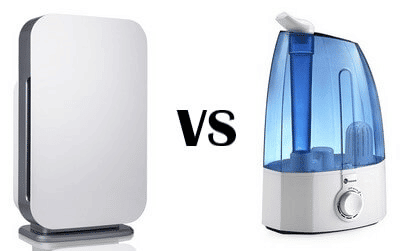
Air purifier vs Air humidifier: Which is better?

Related Products

2022年における空気清浄機と加湿器の比較

画像ソース ホーム・エア・アドバイザー

空気清浄機と加湿器は、今日の代表的な家庭用品である。どちらも実用的な用途があり、室内の空気の質を向上させる。しかし、空気清浄機と加湿器は同じではありません。加湿器は湿気を加え、空気清浄機は有害な汚染物質を除去する。空気清浄機は加湿器よりも、空気の乾燥が原因の呼吸器疾患を持つ人を助けます。誤解を解き、両機器を比較してみましょう。

空気清浄機と加湿器の比較
.

空気清浄機 空気加湿器
推奨サイズ 空気清浄機は、その表面積やフィルターの質など、フィルターによって初めて効果を発揮する。 加湿器を選ぶ際には、部屋の広さを考慮すべきである。
騒音レベル 標準的な空気清浄機:36 dB 最も静かな加湿器:30 dB
種類 HEPAテクノロジー、ACT、UVテクノロジー、マイナスイオン、オゾン 中央, 超音波, インペラ, 蒸発器, 蒸気蒸発器
申し込み きれいな空気を求める人に効果的。アレルギーや喘息を持つ人にも役立つ。 喘息や乾燥した空気による呼吸器系の炎症に有効
特徴 フィルターは、空気中の汚染物質を捕捉して取り除くために使用される。 大気中の水分を増加させ、乾燥状態による不快感を軽減する。

空気清浄機と加湿器のメリット

空気清浄機:

  • 空気中の不純物をろ過する。
  • 喘息患者やアレルギー患者に最適。
  • 通年使用可能。
  • 高い

空気加湿器:

  • 空気に潤いを与えることで、乾燥による刺激を軽減する。
  • 鼻づまりや病気に。
  • 乾燥した環境でのみ使用すること。
  • 安い

湿度は肌の弾力や潤い、柔らかさを保つだけでなく、暑すぎる室内で涼しさを提供する代償として、心をリラックスさせて安らぎを取り戻し、湿度がかぶれやすいアレルギー反応を抑えるという事実を強調することで、快眠を助ける。加湿器と同様、効果が出るまでには数日かかる。

空気清浄機と加湿器の違い

空気清浄機と加湿器の違いは?使い方によって異なります。

空気清浄機

  • ウイルス/細菌からの保護
  • 臭いを除去する
  • フィルタ、HEPA

空気加湿器

  • 抗菌性。
  • 静かな動作
  • 耐久性のある品質

空気清浄機と加湿器のメンテナンス

フィルターは空気清浄機の最も重要なメンテナンスです。これにより空気清浄機を維持し、長持ちさせることができます。加湿器のベースとタンクは毎日清掃し、乾燥させてください。週に1回、酢またはメーカー推奨の同様の溶液でミネラル分を除去し、10%漂白剤で加湿器を消毒します。

空気清浄機と空気加湿器の湿度比較

湿度は季節や天候、お住まいの場所によって変化します。一般的に、夏の湿度は冬の湿度よりも高くなります。理想的な室内湿度は30%から50%の間です。湿度が低すぎても高すぎても問題があります。 (https://www.mayoclinic.org/diseases-conditions/common-cold/in-depth/humidifiers/art-20048021)

空気清浄機と空気加湿器の機能と使い方

空気清浄機の仕組み?空気清浄機は空気をきれいにする。空気清浄機はカビ、アレルギー、臭いを取り除きます。アレルギーや喘息持ちの子供や大人にも効果がある。加湿器?いいえ、空気加湿器は温水または冷水の蒸気を放出します。加湿は鼻づまりの子供や大人に効果的です。加湿は冬の乾燥した皮膚や鼻腔に効果があります。空気清浄機は、ほこり、煙、臭い、バクテリア、ウィルスを除去します。 空気清浄機 加湿器は、喘息患者やアレルギー患者、汚染物質や臭いを抑えたい人などの病気を治療・予防することができる。加湿器は、体の多くの部位を刺激する乾燥を防ぎます。加湿器は、乾燥した肌、鼻、喉、唇を癒すのに役立ちます。また、インフルエンザや風邪の症状も軽減する。この2つの機器は、主に2月の春先から6月の初夏までのアレルギーの季節に一緒に使うことができる。お部屋でもリビングでも。

空気清浄機と加湿器の寿命比較

空気加湿器の寿命は、メンテナンスと水質によりますが、10~15年です。ヒソエアフィルターは、空気の質や周囲の状況にもよりますが、6~12ヶ月ごとに交換してください。空気の質や周囲の状況にもよりますが、カーボンプレフィルターは3ヶ月ごとに交換してください。

空気清浄機と加湿器のコスト比較

空気清浄機は比較的高価だ。しかし、空気加湿器は手ごろな価格で手に入る。高品質の空気清浄機は数百ドルから数千ドルもするのに対し、加湿器は$100以下の価格で販売されていることが多い。

空気清浄機と加湿器:健康のためにはどちらが良いのか?

空気清浄機はアレルギーと最もよく闘う。空気加湿器は空気中の水分を増加させるだけで、ほこりや花粉などのアレルゲンは増加させません。空気加湿器は空気清浄機と併用できます。

赤ちゃんには空気清浄機と加湿器のどちらが良いのでしょうか?

ポータブル空気清浄機は保育園を助けます。CADRの高い空気清浄機を選べば、十分なスペースをより早く清浄できます。高効率の機器搭載型エアフィルターは、浮遊粒子を99.97%捕集します。フィルターはパッケージに従って交換してください。電子式フィルター寿命インジケーターランプが、機器のフィルター交換をサポートします。

アレルギーには加湿器と空気清浄機のどちらが良いのか?

どちらも利点がありますが、アレルギーに関しては効果的な空気清浄機が最良の選択です。空気清浄機と加湿器の比較 アレルギーの場合、空気加湿器は体の管理、症状の軽減に役立ちます。一方、空気清浄機は、家庭で呼吸する空気からアレルギーを積極的に除去することができます。

喘息には加湿器と空気清浄機、どちらが良い?

喘息の加湿器か空気清浄機か?空気清浄機は喘息患者を助けます。大気汚染は喘息を引き起こすので、喘息の誘因を家庭で管理する。空気加湿器は呼吸を楽にしますが、アレルギーや喘息を治療するものではありません。カビやダニを避けるため、加湿器は控えめに使用しましょう。これらは喘息を悪化させる。

湿疹のための空気清浄機と加湿器:どちらが良いのか?

Eczema is caused by skin dryness, further worsened by dry air. Air humidifier is the most effective way to keep the air in your environment "wet" and prevent your skin from drying out.

副鼻腔のための空気清浄機と加湿器:どちらが良い?

空気加湿器は、冬に引き起こされる副鼻腔の問題を和らげます。粘液の分泌は空気の乾燥によって影響を受けます。喉、鼻、口の乾燥が続きます。加湿器を使うことで、私たちのゴージャスな鼻のシステムが正しく機能するようになります。空気清浄機よりも、加湿器の方が副鼻腔の働きを助けるかもしれません。

空気清浄機と加湿器の比較:どちらが良い?

空気清浄機は、家庭や狭い空間に浮遊する空気汚染物質(ウイルスを含む)を最小限に抑えることができる。携帯用空気清浄機だけではCOVID-19を防ぐことはできません。空気清浄機は、CDCが推奨する他の予防策と併用することで、あなたとあなたの家族を守るのに役立ちます。

肺炎に空気清浄機と加湿器:どちらが良いのか?

空気加湿器の目的は、空気中に水分を加え、呼吸を楽にし、鼻腔を潤すことです。咳、吐き気、嘔吐といった肺炎の症状を大幅に軽減することができる。

空気清浄機と加湿器は一緒に使えますか?

離して置いてください。こうすることで、加湿器の水滴が空気清浄機のフィルターを傷つけるのを防ぎます。加湿器の機能を最大限に引き出すには、部屋の反対側に設置してください。

加湿器と空気清浄機を同じ部屋で使用できますか?

空気清浄機を設置するのに最適な場所は??空気加湿器についても同じ疑問があるかもしれません。加湿器と空気清浄機を一緒に使うことで、加湿器と空気清浄機の役割が明確になり、お互いを補い合うことができます。加湿器の湿気が空気清浄機のフィルターを詰まらせ、効率を低下させる可能性があるからです。

空気清浄機と加湿器を同時に使用できますか?

はい、できます。 7/24に空気清浄機を使用同時に空気加湿器と同じ。空気加湿器は部屋の湿度を上げます。同時に、空気清浄機は空気中の不純物を除去するクリーナーとして作動し、室内の空気の質を向上させ、より住みやすい場所にします。

空気清浄機と加湿器:どちらが優れているか?

空気清浄機や加湿器は必要ですか?空気清浄機は1年を通して室内の空気の質を改善します。加湿器とは異なり、空気清浄機はアレルギーやその他の汚染物質を除去するために毎日使用することができます。空気清浄機と加湿器のどちらが必要ですか? 空気清浄機エンドユーザーは、これらの空気清浄機ブランドの中から選ぶことを勧める。プロ向けには www.hisoair.com 中国からの空気清浄機製造業者である株式会社エヌ・ティ・ティ・ドコモにご相談ください。

シェアする
ヒソエア創設者のリー氏
Alwen Lee, an air purification expert with over 10 years of experience, is a devoted father of two and a passionate traveler, having explored more than 30 countries. With a love for public speaking and swimming, he has dedicated his life to the indoor air quality industry. His mission is to ensure that people around the world enjoy the freedom to breathe clean air and lead happy, healthy lives.

メッセージを送る

Related Products

もっと読む

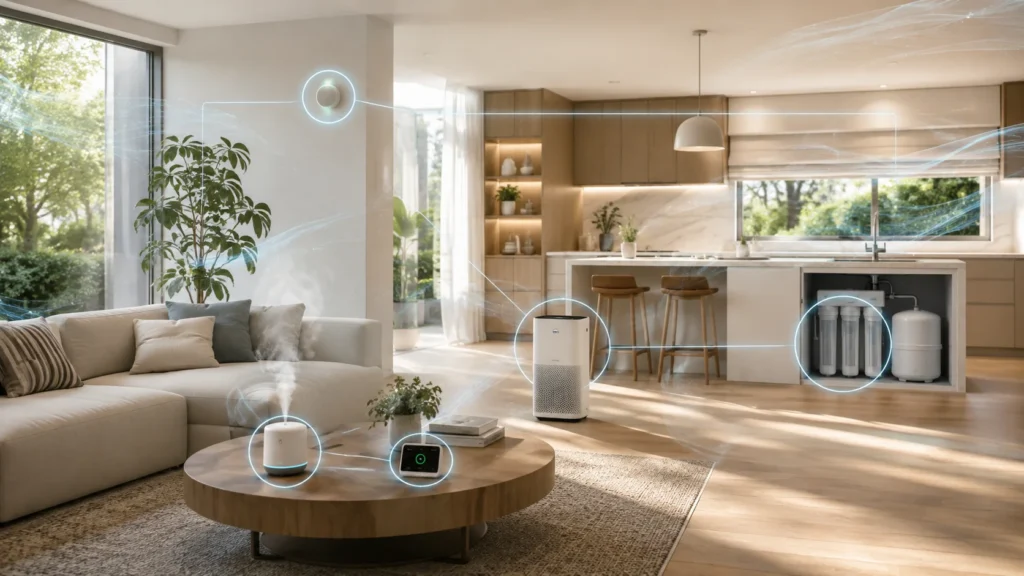
Modern living room with a family enjoying a healthy indoor environment monitored by smart devices, natural lighting, and greenery.

After IFA 2026: The Healthy Home Is Moving Beyond Smart Devices

In our previous IFA 2026 column, Air Purification Is Becoming Part of the Healthy-Home Platform, we argued that the next generation of indoor-health products would ...
ニュース
Modern living room and kitchen with smart home air quality devices including an air purifier, humidifier, and water filtration system, connected with visualized blue connectivity lines.

IFA 2026: Air Purification Is Becoming Part of the Healthy-Home Platform

Pre-IFA Industry Perspective | September 4, 2026 This article is based on official announcements and regulatory information available ahead of IFA 2026, which takes place ...
ニュース
A modern office room with a gray wall-mounted air purifier, large wooden desk, office chairs, indoor plants, and glass windows offering a city view.

Luftreiniger gegen Staub: HEPA-Luftreinigung für Büro, Gewerbe und Industrie

Kurz gesagt: Ein Luftreiniger entfernt Staub aus der Luft – nicht vom Schreibtisch. Er reduziert die Konzentration schwebender Partikel und damit auch die Menge an ...
Air purifier, Filter
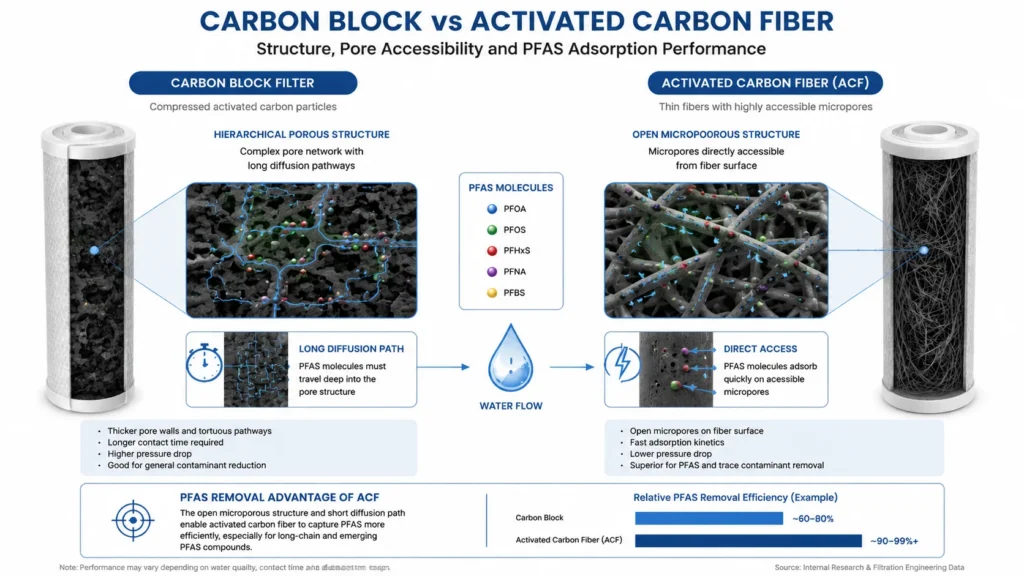
Comparison infographic showcasing the differences between carbon block filter and activated carbon fiber. Detailed diagrams illustrate the hierarchical porous structure of the carbon block with long diffusion paths and the open microporous structure of the activated carbon fiber with direct access for PFAS adsorption.

Carbon Block vs. Activated Carbon Fiber (ACF): Matching Media to Target Contaminants

Two carbon media. Same adsorption chemistry. Very different behaviour in a point-of-use cartridge. If you are specifying a water purifier platform for a PFAS-aware market, ...
ニュース
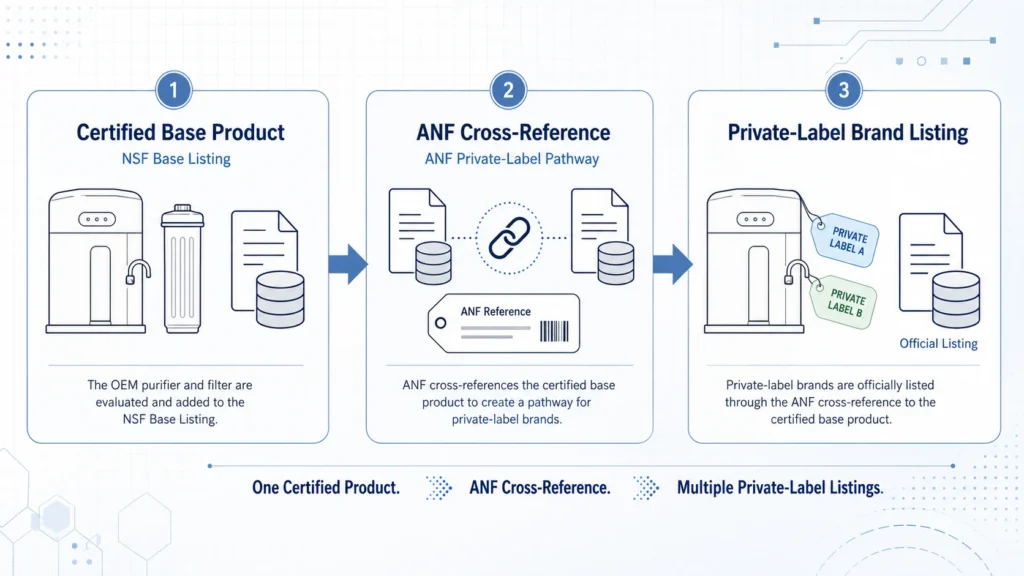
NSF base listing and ANF private-label certification pathway for OEM water filters

What Is an NSF Master Listing? A Guide to Base Listings, ANF Certification and OEM Water Filters

For a brand preparing to launch an OEM water purifier, one of the most common supplier claims is: “We already have an NSF master listing, ...
News, Water Purifiers
Healthy-home brand team reviewing PFAS water filter certification, test data and product engineering

Entering the Water Category Is Easy. Building a Credible PFAS Claim Is Much Harder

For air purification, appliance and healthy-home brands, entering the water category can look surprisingly easy. A company can select an existing undersink system, customize its ...
ニュース
Contaminant Engineering•3 min read

PFAS Water Filtration Technologies Explained: Carbon, Resin & RO

Key Takeaway:

PFAS reduction depends on the specific compounds present, treatment media, contact time, water chemistry, and system design. Activated carbon, ion exchange, and Reverse Osmosis address PFAS through different mechanisms.

PFAS are a large family of persistent fluorinated compounds that can occur in drinking-water supplies. Their treatment behavior varies significantly by molecular structure, chain length, functional group, concentration, and the chemistry of the source water.

Granular Activated Carbon (GAC) removes PFAS primarily through adsorption. It is generally more effective for many longer-chain PFAS, while shorter-chain compounds tend to break through more quickly. Carbon performance depends on media properties, Empty Bed Contact Time (EBCT), competing organic matter, loading, and replacement frequency.

Ion-exchange resins use charged functional sites to capture many PFAS compounds. Properly selected anion-exchange media can provide high capacity and may perform better than conventional activated carbon for some shorter-chain PFAS, although performance still depends on water chemistry and competing ions.

Reverse Osmosis (RO) uses membrane separation rather than adsorption. Properly designed RO systems can provide broad reduction across many PFAS compounds as well as dissolved salts and other contaminants. Unlike carbon or resin, however, RO also produces a concentrate stream that must be managed.

No single technology should be selected from a PFAS label alone. System design should consider which PFAS compounds are present, their concentrations, required reduction targets, flow rate, media life, and the applicable third-party certification or validation requirements.

HisoAir Water Technical Series
Product Discovery•3 min read

How to Choose an Under-Sink Water Purifier for Modern Kitchens

Key Takeaway:

Match the treatment technology to your water quality first, then evaluate cabinet space, faucet configuration, flow rate, drain and power requirements, and filter replacement needs.

Choosing an under-sink water purifier starts with water chemistry. Carbon filtration is well suited to chlorine, taste, odor, and many organic contaminants, while Reverse Osmosis is more appropriate when dissolved salts, fluoride, nitrates, or broader dissolved contaminants need to be reduced.

For compact kitchens, tankless RO systems eliminate the conventional storage tank and can significantly reduce the space required under the sink. However, membrane capacity stated in GPD does not directly equal faucet flow. When comparing systems, check the actual dispensing flow rate, inlet-pressure requirement, recovery ratio, and whether a booster pump is required.

Installation architecture also matters. Many RO systems require a drain connection, electrical power, and either a dedicated drinking-water faucet or a compatible multi-function faucet. High-flow carbon systems can often connect directly to the existing cold-water line with a simpler installation, but pressure drop and available faucet flow should still be verified.

RO also removes much of the naturally occurring dissolved mineral content. Where taste or mineral balance is a priority, a post-RO remineralization stage can be added. Filter life should be evaluated by both rated capacity and local water quality rather than replacement time alone.

The right system is therefore not simply the smallest or highest-GPD model. It is the configuration that matches the target contaminants, available cabinet space, desired faucet setup, peak dispensing demand, and maintenance expectations.

HisoAir Water Technical Series
Water Quality•2 min read

What Does TDS Mean in Drinking Water? Measurement vs Contaminant Reality

Key Takeaway:

A TDS meter estimates the overall concentration of dissolved ionic substances from electrical conductivity. It cannot identify specific contaminants or determine whether water is chemically safe.

Total Dissolved Solids (TDS) refers to the combined concentration of dissolved substances in water. Most handheld TDS meters do not measure TDS directly. Instead, they measure electrical conductivity (EC) and convert that reading into an estimated parts-per-million (ppm) value.

This means a TDS reading can indicate how much dissolved ionic material is present, but not what that material actually is. Calcium, magnesium, sodium, nitrates, and other dissolved ions can all contribute to conductivity, yet a simple TDS meter cannot distinguish between them.

TDS meters are also not suitable for detecting trace contaminants such as PFAS, many VOCs, pesticides, pharmaceuticals, or disinfection byproducts. These substances may be present at concentrations far below the level needed to noticeably change electrical conductivity.

A low TDS reading therefore does not guarantee safe drinking water, and a higher TDS reading does not automatically indicate contamination. Water-treatment decisions should be based on laboratory testing for specific contaminants of concern rather than TDS alone.

HisoAir Water Technical Series
Technology Selection•2 min read

RO vs UF Water Filtration: Understanding Pore Sizes & Dissolved Minerals

Key Takeaway:

Ultrafiltration can reduce bacteria, turbidity, and suspended particles while retaining most naturally occurring dissolved minerals. Reverse Osmosis provides much broader reduction of dissolved salts and smaller contaminants.

Ultrafiltration (UF) typically uses hollow-fiber membranes with pore sizes in the approximate 0.01–0.1 micron range. These membranes physically retain turbidity, suspended solids, colloids, and many microorganisms while allowing dissolved minerals and salts to remain in the water.

Reverse Osmosis (RO) operates at a much finer separation level. Unlike UF, RO can substantially reduce dissolved ions such as sodium, calcium, fluoride, nitrates, and other contributors to total dissolved solids (TDS). This makes RO more suitable when dissolved-salt reduction is a primary treatment objective.

UF generally requires less system pressure and produces little or no continuous concentrate stream in many point-of-use configurations. RO typically requires greater pressure and produces a reject-water stream, but delivers broader contaminant reduction.

For water with acceptable TDS and mineral content, UF can be a simpler mineral-retaining treatment option. Where dissolved salts, fluoride, nitrates, or broader dissolved contaminants are a concern, RO is generally the more appropriate technology.

HisoAir Water Technical Series
Technology Selection•4 min read

Carbon Block vs Reverse Osmosis: Which Fits Your Need?

Key Takeaway:

Choose RO for dissolved inorganic salts and heavy metals; choose Carbon Block for chemical taste/odor, no wastewater, and high line-pressure flow.

Reverse Osmosis (RO) and Carbon Block filtration represent two fundamentally different treatment methods: membrane separation and adsorption. Understanding these differences helps determine which technology is better suited to a specific water-quality requirement.

Reverse Osmosis uses a semi-permeable membrane with pore sizes of approximately 0.0001 microns. It can significantly reduce dissolved inorganic contaminants such as TDS, fluoride, nitrates, and certain heavy metals. Because water must be forced through the membrane, RO systems require sufficient pressure or a booster pump and generate a concentrated wastewater stream.

Carbon Block filtration relies primarily on adsorption through compressed activated carbon, commonly with nominal pore sizes around 0.5–5 microns. It is highly effective for chlorine, chloramines, VOCs, taste, and odor, while allowing substantially higher direct-flow rates without producing wastewater.

From an operating perspective, Carbon Block systems are generally simpler, require less energy, and avoid the water loss associated with RO. RO involves higher system complexity and operating cost, but provides substantially broader reduction of dissolved contaminants that Carbon Block alone cannot address.

HisoAir Water Technical Series

見積依頼