新しいタブで開きます
革新的な空気品質ソリューション

産業用ニンジャ静音空気清浄機ベスト9

Related Products

冷蔵庫の音で目が覚めやすい?空気清浄機はもっと静かでなければ、あなたの睡眠に何をもたらすのでしょうか?以下のベスト静音空気清浄機からお選びください!

という事実がある。 空気清浄機メーカー マシンの設計には独自の意図があるため、さまざまなパフォーマンスや機能が期待できる。

空気清浄機は安全な環境を保つのに最適である。また、室内環境にバクテリアやホコリを寄せ付けません。しかし、すべての家電製品が同じように作られているわけではなく、夜、安らかに眠れないものもあります。

まず、空気清浄機はそんなにうるさいのか?

その答えは主観的なものかもしれない。 騒音レベル あなたのために

食器洗い機や洗濯機、冷蔵庫の音で、すぐに気が散ってしまうことはありませんか?これらの家電製品の騒音レベルは50~70デシベルです。

会話をしている人はどうでしょう?授業中のささやきは20デシベル、普通の会話は60デシベルの騒音レベルです。これらはあなたにとって騒音ですか?

デシベル単位で異なる騒音レベルを比較。
デシベル単位で異なる騒音レベルを比較。

一方、空気清浄機は36デシベルから65デシベルの範囲だ。

静かな空気清浄機 騒音レベルが低いのは 20~40デシベル .一言で言えば、静音タイプの空気清浄機は、音量レベルを調整できるように、さまざまなファン設定を備えている。つまり 「ナイトモード または 「スリープモード 通常、ファンの回転数は最も低く、そのため静かです。可変ファンスピード・オプションを使えば、必要なときに空気清浄機を低騒音レベルに設定できる。

もちろん、設定されるサウンドレベルもメーカーの設定に依存する。

そこで、私たちはあなたのために手間のかかる仕事を省き、厳選した。 静音空気清浄機 .これで、空気清浄機がバクテリアのいない空気を維持しながら、オフィスで静かに仕事をしたり、夜ぐっすり眠ったりすることができます。

静かな空気清浄機の選び方 

すべての空気清浄機が、騒音レベルの点ですべての汚染物質や環境に適しているわけではありません。以下は、静かな空気清浄機を選ぶ際に考慮する価値のある要因です。 

デシベル定格 

空気清浄機の騒音レベルの評価にはデシベル(dB)が使用される。例えば、寝室用の空気清浄機のdBとオフィス用の空気清浄機のdBは異なります。

汚染物質の種類

HEPAフィルターを搭載した空気清浄機は、アレルギー、煙、カビ、花粉、ホコリに適しており、活性炭フィルターは臭いや揮発性有機化合物(VOC)に適している。 

ファン回転数定格

ファンの回転数は空気清浄機、特にフィルター式空気清浄機の効率を決定する。ファンの回転数が高ければ高いほど、空気清浄機は素早く空気を清浄します。 

精製技術

静かな空気清浄機の中には、常設フィルターを使用したものもあり、喘息やアレルギーのある人、ほこりの多い場所、ペットを飼っている人に適している。これらの空気清浄機は、長期的な経済的メリットもある。

部屋の広さ

部屋に対して大きめの空気清浄機を使う方が、小さめの空気清浄機を使うよりも良い。理想的な空気清浄機は、CADR(清浄空気供給率)が部屋の面積の2/3に相当するものです。

ウィスパー空気清浄機が必要不可欠な理由

クワイエット・マークのCEO兼創設者であるポピー・シュキラーは、「空気清浄機の騒音は、背景音に簡単に溶け込み、気づかれないものであるべきです。ウィスパー空気清浄機のこの特徴は、騒音を必要としない環境に最も適している。以下は、ウィスパー空気清浄機を必要とする空間とその理由である。

寝室用

寝室用ウィスパー空気清浄機のデシベルは最も低く、40dB以下である。空気清浄機には、睡眠中の騒音を低減するスリープモードが搭載されている場合もある。 

大部屋用

広い部屋は、ラウンジエリアであったり、会議やミーティング用のホールであったりする。いずれも騒音を歓迎する場面ではないので、ウィスパー空気清浄機はこのような場所に適している。 

リビングルーム用

リビングルームはくつろぎの場であり、くつろぎのひとときに騒音は避けたいものです。リビングルームにウィスパー空気清浄機を検討してみてはいかがでしょうか。

オフィス用

気が散ること、特に騒音は生産性を妨げるので、避けるべきである。オフィスでの騒音を避ける方法の一つは、ウィスパー空気清浄機を使うことです。  

静かな空気清浄機ベスト9

お急ぎですか?何千もの競合製品から選んだ、最も静かな空気清浄機をご紹介します。ボーナスとして、これらの製品は素晴らしいカスタマーレビューと特徴も備えています。

写真空気清浄機スタンドアウト機能騒音レベルルームカバレッジ(8フィート天井)
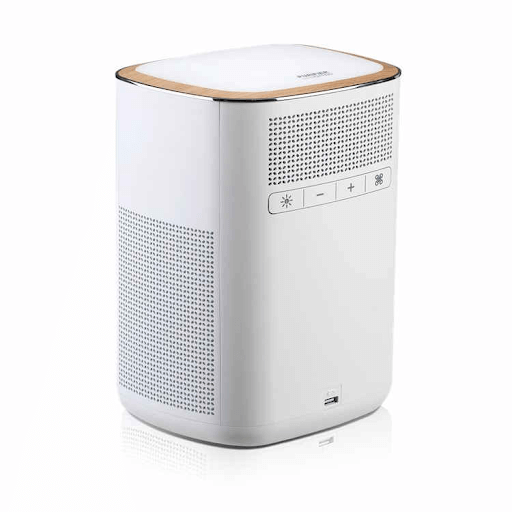
ヒソエア HA1223 HisoAir HA1223 卓上型空気清浄機 小さな部屋に最適な静かな空気清浄機 15 - ≤35 dB(A) 26平方フィート、5 ACH付き(CADR 40 cfm)
ブルーエア ブルーピュア 411 オート ブルーエア ブルーピュア 411 オート 超静音HEPA空気清浄機 18 - 48 dB(A) 185平方フィート、5 ACH付き(CADR 123 cfm、煙用)
	Dyson Pure Cool Link デスク用空気清浄機 Dyson Pure Cool Link デスク用空気清浄機 冷却+空気清浄+静音運転 46dB(ナイトモード) 360平方フィート(扇風機でもあるため、ACHなし)
ラビットエア・バイオGS 2.0 ラビットエア・バイオGS 2.0 エネルギー効率が高く、静かな空気清浄機 22.8 - 48.6 dB(A) 220平方フィート、5 ACH付き(CADR 147 cfm)
レボワ・バイタル100 レボワ・バイタル100 静かな空気清浄機 23 - 50 dB 200平方フィート、5 ACH付き(CADR 130 cfm)
オカイソウ・エアマックス8L オカイソウ・エアマックス8L ペットオーナーに最適 22 - 51 dB 185平方フィート、5 ACH付き(CADR 125 cfm)
ヒソエア HA-Y1200 ヒソエア HA-Y1200 業界最高レベルの静かな空気清浄機 25 - 65 dB(A) 320平方フィート、5 ACH付き(CADR 424 cfm)
ブルーエアヘルスプロテクト7470i ブルーエアヘルスプロテクト7470i スマートな機能、静かな走行 22 - 45 dB(A) 400平方フィート、5 ACH付き(CADR 270 cfm)
オランシ・モッド オランシ・モッド 広いエリアに最適な静音空気清浄機 20 - 60 dB 500平方フィート、5 ACH付き(CADR 338 cfm)

一人暮らしの部屋に最適な静かなデスク用空気清浄機3選

HisoAir HA1223 卓上型空気清浄機

HisoAir HA1223 卓上型空気清浄機

部屋が狭い?テーブルの隅に空気清浄機を置きたいなら、HisoAirブランドのデスクトップ型が理想的な選択です。超静音で、シックでシンプル。同社のフラッグシップモデルであるため、動作音は最小レベルでわずか15デシベル。5ACHで部屋の面積は26平方フィートだが、4ACHで32平方フィートまでカバーできる。

他メーカーの製品よりも安価で、新鮮な空気を吸うことができます。プレフィルターフィルター、プラズマフィルター、カーボンフィルター、トゥルーHEPAフィルター、UV光触媒の5層以上の保護フィルターを搭載しています。

ブルーエア ブルーピュア 411 オート

ブルーエア ブルーピュア 411 オート

その HEPAsilentフィルター技術 ブルーピュア411は、123 cfmのCADR(煙)で小さな部屋を清浄しながら、驚くほど静かに作動します。1時間あたり5回の空気の入れ替えで、12分ごとに空気を清浄します。

ゲストルームにはブルーピュアがおすすめ、 事業所などの狭い部屋でも使用できます。3段階のろ過システムで、0.1ミクロンまでの浮遊粒子を99.97%除去します。これには花粉、カビ、バクテリア、ペットのフケ、ウイルスなどが含まれます。また、臭いも除去できます。

この空気清浄機は、軽量で持ち運びにも便利で、360度回転するので、部屋のあらゆる角度を確実にカバーします。エネルギースター規格に適合しているため、電気代が大幅に節約できる。さらに、なめらかで自動的な使い心地もお楽しみいただけます。

Dyson Pure Cool Link デスク用空気清浄機

Dyson Pure Cool Link デスク用空気清浄機

革新的な冷暖房システムで人気のダイソンブランドだが、空気清浄機シリーズも例外ではない。Pure Cool Desk Air Purifierは、人気のPure Cool Air Purifierの小型版で、よりコンパクトになり、デスクの上に置くことができる。

この製品のユニークな点は、空気中の浮遊粒子を除去するだけでなく VOCしかし、涼しい空気も供給する。これは、ファンのパワーを2倍にすると同時に、省エネモードを作動させることで実現している。さらに、驚くほど静かで、わずか46デシベルと、冷蔵庫のハム音に近い。

ピュアクールにはHEPAフィルターが搭載されており、空気中のアレルゲンや汚染物質を0.1ミクロンのサイズまで99.95%捕集します。

ダイソンはCADRを公表していないが、Pure Coolの最大風量は毎秒334リットル。これは700cfmに相当し、デスクトップサイズが小さくても広い部屋に使用できることになる。

リビングルームや寝室に最適な静音空気清浄機3選

ラビットエア・バイオGS 2.0

ラビットエア・バイオGS 2.0
ラビットエア・バイオGS 2.0

RabbitAir BioGS 2.0は洗練されたパワフルな空気清浄機で、エネルギースターに認定されています。非常に静かに作動し、広い範囲をカバーします。220平方フィートの部屋を毎時5回の空気の入れ替えで、または275平方フィートの部屋を毎時4回の空気の入れ替えで清浄することができます。美観が良いだけでなく、ハンドル付きで軽量なため、移動も簡単だ。

BioGSは、プレフィルター、HEPAフィルター、炭活性炭フィルター、マイナスイオンジェネレーターという4段階の空気清浄技術を備えている。

電気代を大幅に節約できる空気清浄機のために高い初期費用を気にしないのであれば、BioGSは理想的な選択である。明らかな欠点はその高価なコストであり、CADRは以下の通りである。 AHAM公認.

レボワ・バイタル100

レボワ・バイタル100
レボワ・バイタル100

RabbitAir BioGSを購入する余裕がない場合は、Levoit Vital 100が手頃な選択肢です。同じ機能をより低価格でご利用いただけます。

Levoit Vital 100は、5 ACH、130 cfmのCADRで200平方フィートの部屋を清掃します。動作音もほとんどなく、移動も簡単だ。ただし、BioGSより消費電力が高く、月々の電気代が少し高くなる。また、HisoAirとは異なり、チャイルドロック機能がない。

フィルターには、H13トゥルーHEPA、プレフィルター、活性炭フィルターが含まれる。BioGSとは異なり、Levoit 100は完全にオゾンフリーで、多くの消費者に好まれている。また、滑らかで洗練されたデザインも特徴だ。

オカイソウ・エアマックス8L

オカイソウ・エアマックス8L
オカイソウ・エアマックス8L

自宅で静かな空気清浄機に憧れるのはもちろんのこと、ペットを飼っていますか?もしそうなら、Okaysou AirMax8Lは最適です。 ペット用空気清浄機.空気中に舞うペットのフケを効果的に除去し、夜もぐっすり眠れる。

1時間あたり最大5回の交換で、185平方フィートの面積をカバーする小さな部屋に適しています。さらに、0.25ミクロンまでの花粉、ほこり、毛髪、臭いなどの空気汚染物質を99.97%捕集するウルトラデュオフィルターを搭載しています。

Okaysouはまた、予算に見合った価格で提供され、フィルター交換のコストも低い。

ノイズのない業界最高水準の空気清浄機3選

ヒソエア HA-Y1200

HA-Y1200-写真 (2)
HA-Y1200-写真 (2)

非常に広い範囲をカバーし、動作音が非常に静かな空気清浄機をお探しなら、HisoAir HA-Y1200空気清浄機をご覧ください。

シンプルな外観で、背景に溶け込みやすいが、メーカーは業界で使用するのに適した便利でわかりやすい機能を数多く搭載している。

HA-Y 1200は、レセプションエリア、オフィス、ファンクションホールに適した5 ACHで320平方フィートのルームカバーを持っています。設置場所 病院が推奨する6 ACHで270平方フィートの面積をカバーすることができる。 回復室、重症集中治療室、内視鏡室用CDC .

この機械は、床面積133平方フィートのトリアージや処置室において、1時間当たり12回の空気の入れ替えで、5分ごとに部屋をろ過することができる。

通常のプレフィルター、H13 HEPAフィルター、活性炭フィルターに加えて、UVランプも備えている。これは効果的に ウイルスを殺す COVID19を含む1パスあたり。

オランシ・モッド

オランシ・モッド
オランシ・モッド

Oransi Modは、5 ACH以上、338 cfmのCADRで500平方フィートの広い空間をきれいにします。また、運転音は20デシベルと非常に静かです。HisoAir HA-Y1200と同様、Oransi Modは産業用に推奨されています。これには、病院、ショールーム、学校、集会室などが含まれます。

Oransi Modは、ファンスピードと優れたスペックを備えたパワフルな空気清浄機で、広い部屋の空気を効果的に清浄する。セットアップは、箱から出してコンセントに差し込むだけ。わずか1時間ですぐに使用できる。

欠点は、リモコンとスマートフォンへのWIFI接続が付属していないことだ。また、$600という高価格だが、カバーエリアが広く、動作音も静かである。

ブルーエアヘルスプロテクト7470i

ブルーエアヘルスプロテクト7470i
ブルーエアヘルスプロテクト7470i

BlueAir HealthProtect 7470iは、広いスペースに適した、静かに動作する空気清浄機です。HA-Y 1200と同様に、粒子から空気を清浄し、細菌やウイルスから保護します。

その特長は、省エネと低消費電力である。55%の消費電力は、他の業界レベルのモデルと比較して少ない。欠点は、同分野の他のモデルより初期費用が少しかかることだ。

まとめ

一言で言えば、このリストで最も静かな空気清浄機は、Blueair Blue Pure 411 Auto、Oransi Mod、HisoAir HA1223 Desktop Air Purifierです。明確な勝者はいませんが、最も理想的な製品を選ぶには、予算と好みに大きく依存します。この記事で、予算に合った静かな空気清浄機を選ぶお手伝いができれば幸いです。

もっと食べたい?
シェアする
ヒソエア創設者のリー氏
Alwen Lee, an air purification expert with over 10 years of experience, is a devoted father of two and a passionate traveler, having explored more than 30 countries. With a love for public speaking and swimming, he has dedicated his life to the indoor air quality industry. His mission is to ensure that people around the world enjoy the freedom to breathe clean air and lead happy, healthy lives.

メッセージを送る

Related Products

もっと読む

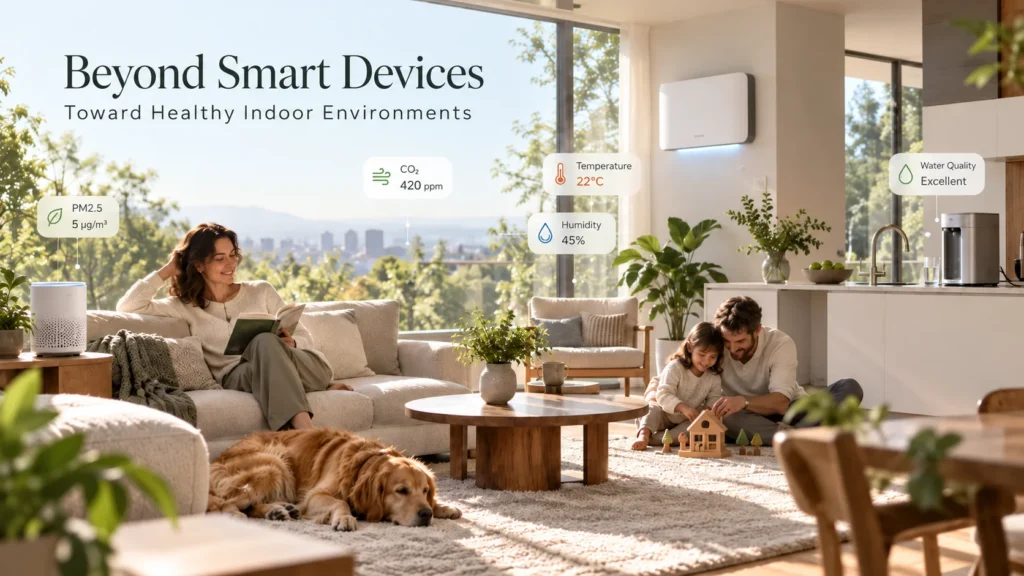
Modern living room with a family enjoying a healthy indoor environment monitored by smart devices, natural lighting, and greenery.

After IFA 2026: The Healthy Home Is Moving Beyond Smart Devices

In our previous IFA 2026 column, Air Purification Is Becoming Part of the Healthy-Home Platform, we argued that the next generation of indoor-health products would ...
ニュース
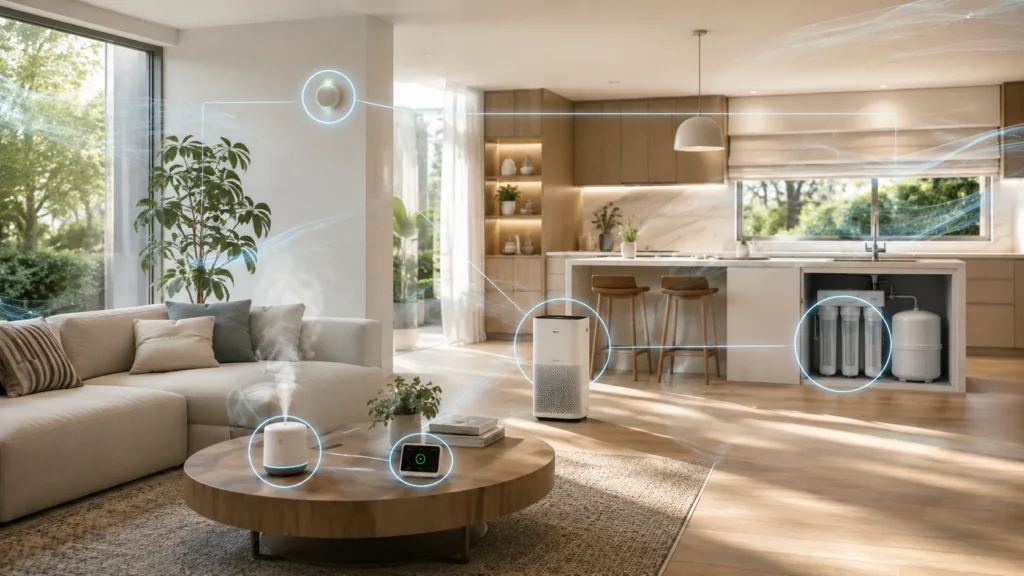
Modern living room and kitchen with smart home air quality devices including an air purifier, humidifier, and water filtration system, connected with visualized blue connectivity lines.

IFA 2026: Air Purification Is Becoming Part of the Healthy-Home Platform

Pre-IFA Industry Perspective | September 4, 2026 This article is based on official announcements and regulatory information available ahead of IFA 2026, which takes place ...
ニュース
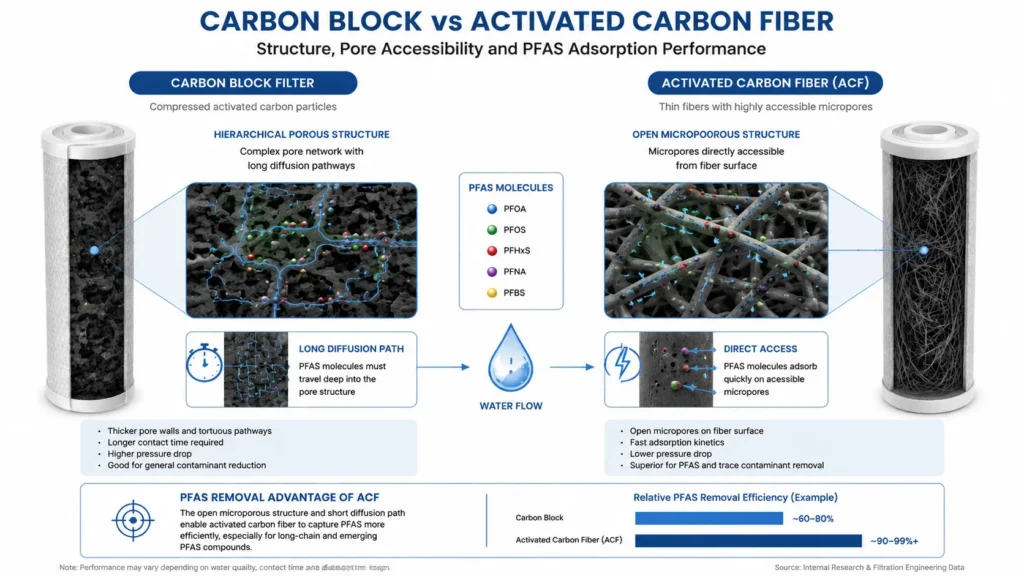
Comparison infographic showcasing the differences between carbon block filter and activated carbon fiber. Detailed diagrams illustrate the hierarchical porous structure of the carbon block with long diffusion paths and the open microporous structure of the activated carbon fiber with direct access for PFAS adsorption.

Carbon Block vs. Activated Carbon Fiber (ACF): Matching Media to Target Contaminants

Two carbon media. Same adsorption chemistry. Very different behaviour in a point-of-use cartridge. If you are specifying a water purifier platform for a PFAS-aware market, ...
ニュース
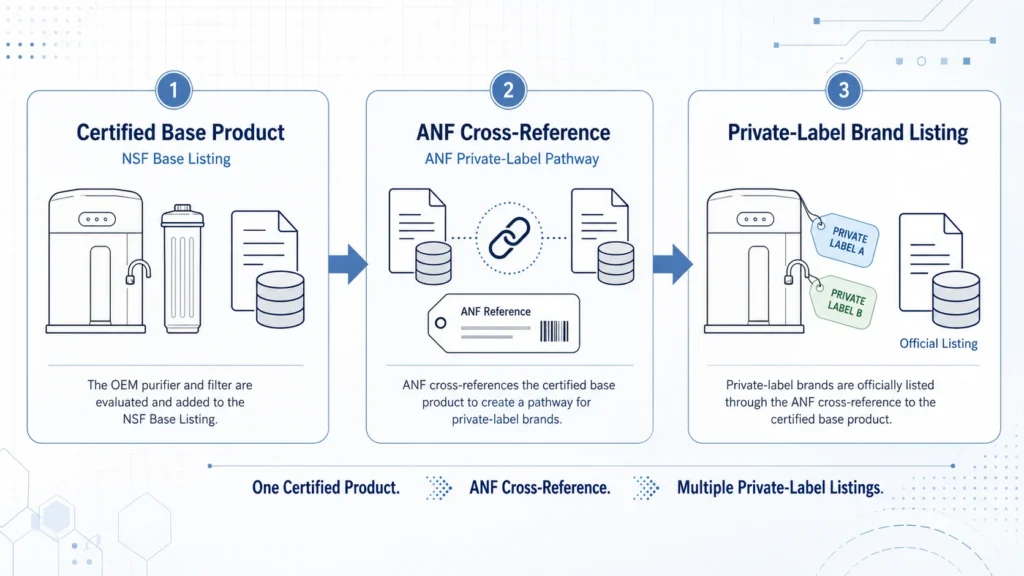
NSF base listing and ANF private-label certification pathway for OEM water filters

What Is an NSF Master Listing? A Guide to Base Listings, ANF Certification and OEM Water Filters

For a brand preparing to launch an OEM water purifier, one of the most common supplier claims is: “We already have an NSF master listing, ...
News, Water Purifiers
Healthy-home brand team reviewing PFAS water filter certification, test data and product engineering

Entering the Water Category Is Easy. Building a Credible PFAS Claim Is Much Harder

For air purification, appliance and healthy-home brands, entering the water category can look surprisingly easy. A company can select an existing undersink system, customize its ...
ニュース
Team in a business meeting discussing a water filtration system with product components and a comparison table displayed on a screen.

5 Leading OEM Water Purifier Manufacturers in China for Private Label Brands

China has thousands of companies selling water filters, reverse osmosis systems and drinking-water appliances. However, only a portion of them are suitable for private-label, OEM ...
ニュース
Contaminant Engineering•3 min read

PFAS Water Filtration Technologies Explained: Carbon, Resin & RO

Key Takeaway:

PFAS reduction depends on the specific compounds present, treatment media, contact time, water chemistry, and system design. Activated carbon, ion exchange, and Reverse Osmosis address PFAS through different mechanisms.

PFAS are a large family of persistent fluorinated compounds that can occur in drinking-water supplies. Their treatment behavior varies significantly by molecular structure, chain length, functional group, concentration, and the chemistry of the source water.

Granular Activated Carbon (GAC) removes PFAS primarily through adsorption. It is generally more effective for many longer-chain PFAS, while shorter-chain compounds tend to break through more quickly. Carbon performance depends on media properties, Empty Bed Contact Time (EBCT), competing organic matter, loading, and replacement frequency.

Ion-exchange resins use charged functional sites to capture many PFAS compounds. Properly selected anion-exchange media can provide high capacity and may perform better than conventional activated carbon for some shorter-chain PFAS, although performance still depends on water chemistry and competing ions.

Reverse Osmosis (RO) uses membrane separation rather than adsorption. Properly designed RO systems can provide broad reduction across many PFAS compounds as well as dissolved salts and other contaminants. Unlike carbon or resin, however, RO also produces a concentrate stream that must be managed.

No single technology should be selected from a PFAS label alone. System design should consider which PFAS compounds are present, their concentrations, required reduction targets, flow rate, media life, and the applicable third-party certification or validation requirements.

HisoAir Water Technical Series
Product Discovery•3 min read

How to Choose an Under-Sink Water Purifier for Modern Kitchens

Key Takeaway:

Match the treatment technology to your water quality first, then evaluate cabinet space, faucet configuration, flow rate, drain and power requirements, and filter replacement needs.

Choosing an under-sink water purifier starts with water chemistry. Carbon filtration is well suited to chlorine, taste, odor, and many organic contaminants, while Reverse Osmosis is more appropriate when dissolved salts, fluoride, nitrates, or broader dissolved contaminants need to be reduced.

For compact kitchens, tankless RO systems eliminate the conventional storage tank and can significantly reduce the space required under the sink. However, membrane capacity stated in GPD does not directly equal faucet flow. When comparing systems, check the actual dispensing flow rate, inlet-pressure requirement, recovery ratio, and whether a booster pump is required.

Installation architecture also matters. Many RO systems require a drain connection, electrical power, and either a dedicated drinking-water faucet or a compatible multi-function faucet. High-flow carbon systems can often connect directly to the existing cold-water line with a simpler installation, but pressure drop and available faucet flow should still be verified.

RO also removes much of the naturally occurring dissolved mineral content. Where taste or mineral balance is a priority, a post-RO remineralization stage can be added. Filter life should be evaluated by both rated capacity and local water quality rather than replacement time alone.

The right system is therefore not simply the smallest or highest-GPD model. It is the configuration that matches the target contaminants, available cabinet space, desired faucet setup, peak dispensing demand, and maintenance expectations.

HisoAir Water Technical Series
Water Quality•2 min read

What Does TDS Mean in Drinking Water? Measurement vs Contaminant Reality

Key Takeaway:

A TDS meter estimates the overall concentration of dissolved ionic substances from electrical conductivity. It cannot identify specific contaminants or determine whether water is chemically safe.

Total Dissolved Solids (TDS) refers to the combined concentration of dissolved substances in water. Most handheld TDS meters do not measure TDS directly. Instead, they measure electrical conductivity (EC) and convert that reading into an estimated parts-per-million (ppm) value.

This means a TDS reading can indicate how much dissolved ionic material is present, but not what that material actually is. Calcium, magnesium, sodium, nitrates, and other dissolved ions can all contribute to conductivity, yet a simple TDS meter cannot distinguish between them.

TDS meters are also not suitable for detecting trace contaminants such as PFAS, many VOCs, pesticides, pharmaceuticals, or disinfection byproducts. These substances may be present at concentrations far below the level needed to noticeably change electrical conductivity.

A low TDS reading therefore does not guarantee safe drinking water, and a higher TDS reading does not automatically indicate contamination. Water-treatment decisions should be based on laboratory testing for specific contaminants of concern rather than TDS alone.

HisoAir Water Technical Series
Technology Selection•2 min read

RO vs UF Water Filtration: Understanding Pore Sizes & Dissolved Minerals

Key Takeaway:

Ultrafiltration can reduce bacteria, turbidity, and suspended particles while retaining most naturally occurring dissolved minerals. Reverse Osmosis provides much broader reduction of dissolved salts and smaller contaminants.

Ultrafiltration (UF) typically uses hollow-fiber membranes with pore sizes in the approximate 0.01–0.1 micron range. These membranes physically retain turbidity, suspended solids, colloids, and many microorganisms while allowing dissolved minerals and salts to remain in the water.

Reverse Osmosis (RO) operates at a much finer separation level. Unlike UF, RO can substantially reduce dissolved ions such as sodium, calcium, fluoride, nitrates, and other contributors to total dissolved solids (TDS). This makes RO more suitable when dissolved-salt reduction is a primary treatment objective.

UF generally requires less system pressure and produces little or no continuous concentrate stream in many point-of-use configurations. RO typically requires greater pressure and produces a reject-water stream, but delivers broader contaminant reduction.

For water with acceptable TDS and mineral content, UF can be a simpler mineral-retaining treatment option. Where dissolved salts, fluoride, nitrates, or broader dissolved contaminants are a concern, RO is generally the more appropriate technology.

HisoAir Water Technical Series
Technology Selection•4 min read

Carbon Block vs Reverse Osmosis: Which Fits Your Need?

Key Takeaway:

Choose RO for dissolved inorganic salts and heavy metals; choose Carbon Block for chemical taste/odor, no wastewater, and high line-pressure flow.

Reverse Osmosis (RO) and Carbon Block filtration represent two fundamentally different treatment methods: membrane separation and adsorption. Understanding these differences helps determine which technology is better suited to a specific water-quality requirement.

Reverse Osmosis uses a semi-permeable membrane with pore sizes of approximately 0.0001 microns. It can significantly reduce dissolved inorganic contaminants such as TDS, fluoride, nitrates, and certain heavy metals. Because water must be forced through the membrane, RO systems require sufficient pressure or a booster pump and generate a concentrated wastewater stream.

Carbon Block filtration relies primarily on adsorption through compressed activated carbon, commonly with nominal pore sizes around 0.5–5 microns. It is highly effective for chlorine, chloramines, VOCs, taste, and odor, while allowing substantially higher direct-flow rates without producing wastewater.

From an operating perspective, Carbon Block systems are generally simpler, require less energy, and avoid the water loss associated with RO. RO involves higher system complexity and operating cost, but provides substantially broader reduction of dissolved contaminants that Carbon Block alone cannot address.

HisoAir Water Technical Series

見積依頼