
The global manufacturing landscape is undergoing a profound transformation. Companies are actively re-evaluating supply chain strategies, driven by geopolitical shifts, rising labor costs, and the imperative for greater resilience. This "China Plus One" strategy has become a critical decision for many businesses. As manufacturers seek to diversify production beyond China, Vietnam and Thailand have emerged as leading contenders for OEM air purifier manufacturing.
This article compares these two industrial titans, asking: Which nation offers the best platform for manufacturing a quality-sensitive product like an air purifier? While Vietnam offers lower costs, our analysis reveals that Thailand's mature ecosystem and supply chain resilience make it the superior long-term strategic choice. This article will show you why.
We will provide a comprehensive roadmap: a macro-economic overview, a detailed component-level analysis for air purifiers, an examination of "true" operational costs, and a critical long-term risk assessment to help future-proof your investment.
The Tale of Two Titans: High-Growth Momentum vs. Established Industrial Might
Vietnam: The "Assembly Dragon"
Vietnam has been a darling of foreign direct investment (FDI), often described as a high-momentum, FDI-fueled powerhouse. Its explosive growth and emergence as a global assembly hub are well-documented, attracting major international players, particularly in electronics assembly (e.g., Samsung). This success is underpinned by a vast network of Free Trade Agreements (FTAs) and aggressive government incentives.
However, a core weakness is Vietnam's "hollowed-out" middle. Despite robust assembly capabilities, it relies heavily on imported upstream components, especially from China. This dependency creates critical supply chain vulnerability, making it susceptible to external shocks. While Vietnam excels at assembly, it often lacks the deep, localized industrial base to produce components independently.
Thailand: The "Integrated Powerhouse"
In contrast, Thailand stands as a mature, stable, and established regional leader with decades of industrial history. It is an "Integrated Powerhouse" with a deeply rooted manufacturing ecosystem. Thailand's strengths lie in its vertically integrated supply chain, particularly in automotive and plastics. This development has fostered a more skilled workforce.
Thailand consistently ranks significantly higher in the "Ease of Doing Business" index compared to Vietnam (21st vs. 70th globally in 2024). This indicates a more streamlined regulatory environment, better infrastructure, and a more predictable legal framework. The choice isn't merely about initial cost; it's a strategic decision between Vietnam's speed/momentum and Thailand's stability/resilience.
Deconstructing the Air Purifier: A Supply Chain Showdown
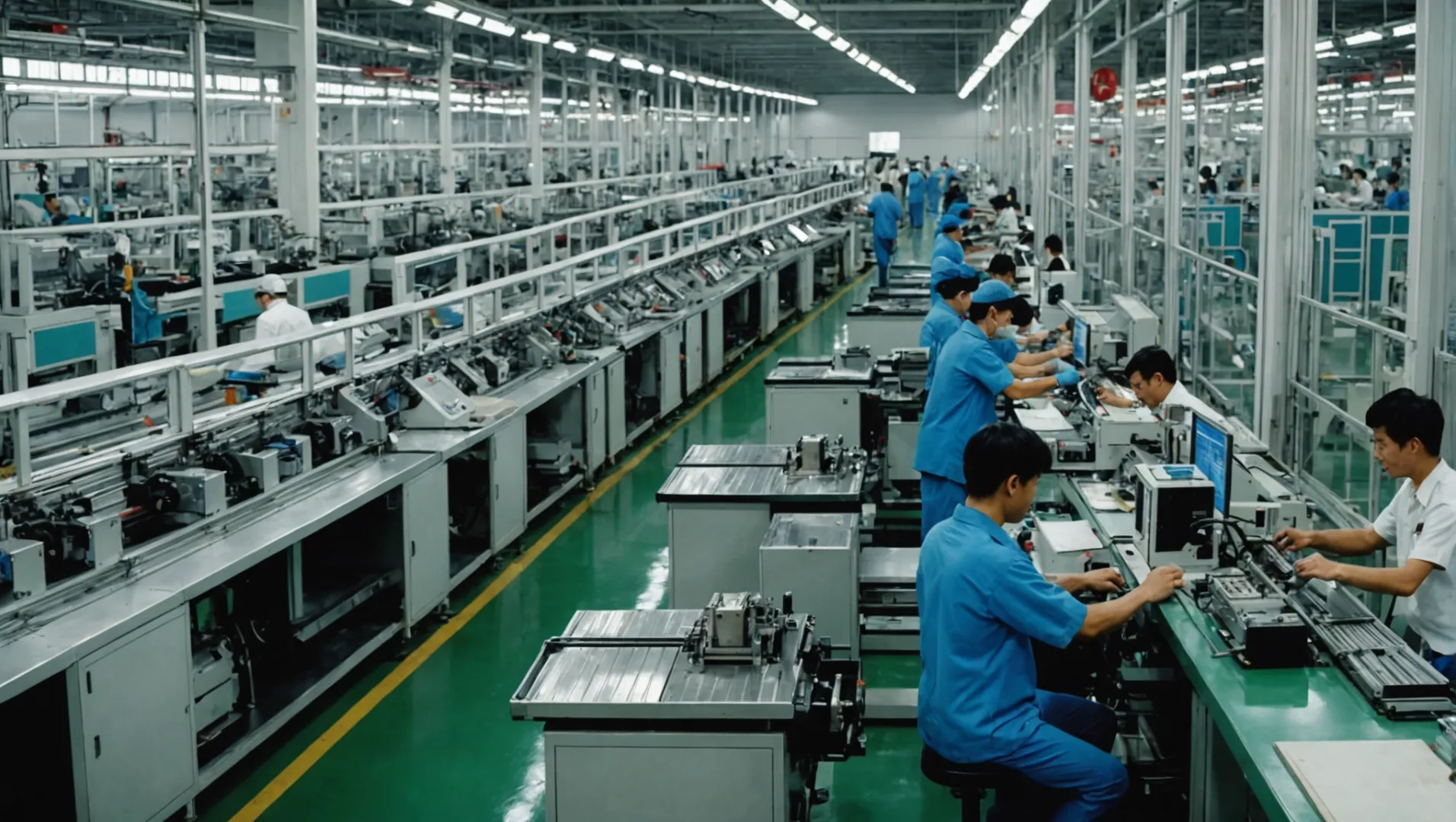
For an air purifier, local sourcing of quality components is paramount, reducing logistical complexities and mitigating risks. Let's break down the air purifier into its four core systems and analyze Vietnam's and Thailand's supply chain capabilities.
Filtration (HEPA & Carbon)
Air purifiers rely on HEPA and activated carbon filters. Vietnam's capabilities for these components are nascent but growing (e.g., Vietfil). However, the market is developing, and the industrial supplier base for raw materials remains limited.
Thailand, conversely, has a much more mature commercial market for filtration materials. Its industrial base has a deeper, established network of suppliers for raw materials like activated carbon and filter media. This maturity translates into greater reliability, higher quality control, and wider options. Winner: Thailand.
Motors & Fans
Both Vietnam and Thailand are significant players in motor and fan manufacturing, largely due to major international manufacturers' presence. This is a shared strength, providing reliable access to high-quality components in either location. Winner: Tie.
The "Brains" (Control Systems - PCBs & Semiconductors)
This is a critical differentiator for high-tech products. Vietnam excels at assembling PCBs (PCBA) but is critically dependent on importing chips and ICs. This reliance introduces significant geopolitical and logistical risks.
Thailand, while also strong in PCBA, has a more integrated semiconductor industry. It has a mature back-end (assembly, testing, packaging) and growing front-end fabrication. This means less reliance on external markets, particularly China, for critical components. Winner: Thailand (Decisively).
The "Body" (Plastic Housings & Tooling)
Air purifier housings require high-precision molding and tooling. Thailand's world-class automotive industry has developed an unparalleled ecosystem for high-precision plastics manufacturing and advanced tooling. The automotive sector's stringent demands have fostered a highly skilled workforce and sophisticated infrastructure for plastic injection molding.
Vietnam's plastics industry is growing but heavily relies on imported raw materials (75-80%). While it produces plastic components, Thailand's depth of expertise and advanced tooling, honed by decades of automotive manufacturing, give it a distinct advantage in quality, precision, and innovation. Winner: Thailand.
Section Verdict
Both nations can assemble the final product, but their supply chains differ. Only Thailand offers the ability to source most high-quality Bill of Materials (BOM) domestically. This significantly reduces reliance on external markets, cutting logistical costs, lead times, and overall supply chain complexity and risk. For a product where component quality directly impacts performance, Thailand's integrated supply chain provides a compelling advantage.
The Real Cost of Doing Business: Beyond the Sticker Price on Labor
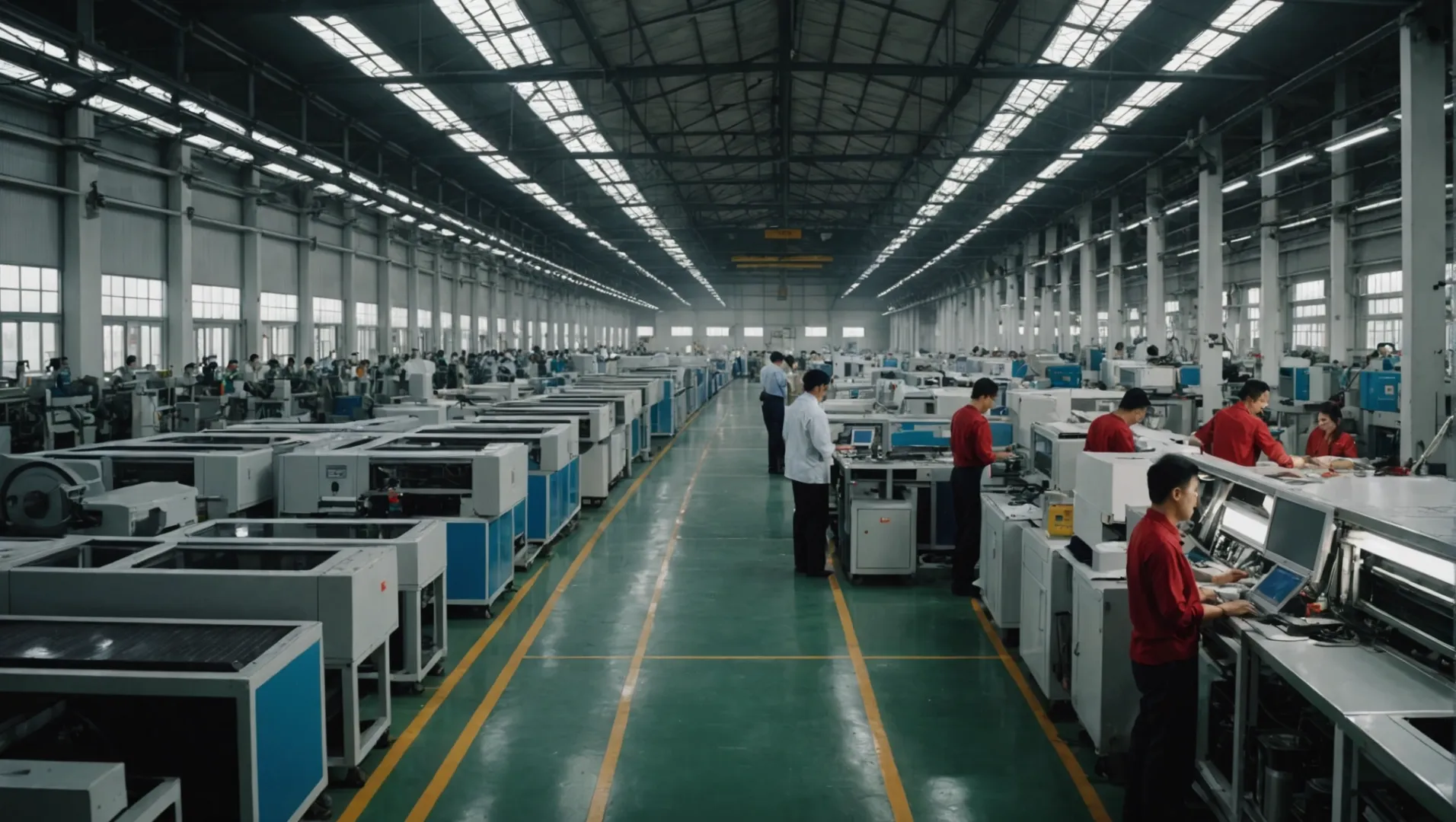
Direct labor cost is often a misleading metric. Vietnam has a significant direct labor cost advantage (around $300-340 USD/month vs. Thailand's $395 USD/month in Q3 2024). However, savvy businesses understand that Total Cost of Operations (TCO) is the true measure, as "hidden costs" can quickly erode Vietnam's advantage.
Factor 1: Real Estate & Utilities
Factory rental costs are comparable. However, Thailand has a key advantage in energy: a stable, government-capped electricity tariff. This provides cost certainty and avoids price spikes and grid instability seen in Vietnam. Reliable, affordable power is fundamental, and Thailand's infrastructure offers a more secure environment.
Factor 2: The "Hidden" Labor Costs in Vietnam
Lower direct wages in Vietnam come with higher indirect labor costs:
- The Skills Gap: Vietnam's rapid industrialization outpaces skilled labor development. This necessitates significant investment in training for a less-experienced workforce, leading to higher recruitment costs and potential inefficiencies.
- Quality Control & Management Overhead: A less mature supply chain and workforce require more intensive oversight, including increased spending on quality control, higher scrap rates, and more expatriate management. These add substantial, often overlooked, costs.
Section Verdict
Considering stable utilities, training costs, and indirect expenses, the financial gap between Vietnam and Thailand narrows significantly. Initial labor savings in Vietnam can be offset by hidden costs, making Thailand more competitive in TCO, especially for operations requiring precision and consistent quality.
Future-Proofing Your Investment: A Long-Term Risk Analysis
Assessing long-term risks and future-proofing your investment involves considering geopolitical dynamics, human capital development, and the overall operating environment.
Geopolitical Chess
The "China Plus One" strategy mitigates geopolitical risks. However, the "Plus One" location itself carries implications.
- Vietnam's Risk: Vietnam's deep ties to China's supply chain make it vulnerable to tariffs and trade restrictions. The "transshipment hub" problem, where goods are routed through Vietnam to circumvent tariffs, has drawn scrutiny and could lead to punitive measures.
- Thailand's Advantage: Thailand is generally perceived as a more neutral and stable player. Its long-standing relationships and less direct integration into China's immediate supply chain offer better insulation from U.S.-China trade conflicts. This neutrality provides a more secure environment.
The Human Capital Crisis
Access to a skilled talent pool is vital for sustainable growth.
- Vietnam's Challenge: Vietnam faces a looming human capital crisis, particularly in high-tech sectors. Despite ambitious goals, it has a stark engineering shortage. Educational and vocational training systems struggle to meet demand, leading to increased competition for talent and potential bottlenecks.
- Thailand's Foundation: Thailand has a stronger foundation in technical and vocational education. Its "Thailand 4.0" initiative, supported by investments in skilled workforce development (automation, robotics), makes its goals more achievable and provides a sustainable talent pipeline.
The Operating Environment (IP & Bureaucracy)
Ease and security of doing business are critical.
- Vietnam's Hurdles: Vietnam presents challenges in Intellectual Property (IP) protection and bureaucracy. Its lower "Ease of Doing Business" ranking (70th in 2024) reflects a more complex regulatory environment, potential delays, and less robust IP enforcement.
- Thailand's Streamlined Approach: Thailand, with its higher "Ease of Doing Business" ranking, offers a more transparent and efficient environment. The Board of Investment (BOI) acts as a "one-stop shop," streamlining investment, providing incentives, and de-risking the journey for businesses.

The decision between Vietnam and Thailand for OEM air purifier manufacturing is a fundamental trade-off. Vietnam, with lower direct labor costs and aggressive growth, is the sprinter – offering rapid assembly for those accepting higher supply chain and operational risks.
However, for a quality-driven product like an air purifier, where component reliability, supply chain stability, and long-term predictability are paramount, Thailand is the marathon runner. It offers a stable, resilient, and deeply integrated manufacturing platform. Its mature industrial ecosystem, vertically integrated supply chains, skilled workforce, and favorable business environment provide a robust foundation for sustainable, high-quality manufacturing.
Therefore, for companies diversifying beyond China and seeking a truly resilient and high-quality OEM air purifier production base, Thailand is unequivocally the superior choice. The premium paid for Thailand's stability, integrated supply chain, and mature operating environment is not a mere cost; it is a strategic investment in long-term success. In today's volatile global landscape, resilient, localized supply chains are the ultimate competitive imperative.


 English
  Français
  Español
  Italiano
  Deutsch
  Português
  Русский
  العربية
  日本語
日本語  한국어
한국어  Tiếng Việt

